


 US blockades Hormuz with 15 warships as Pakistan pushes for next round of Iran talks
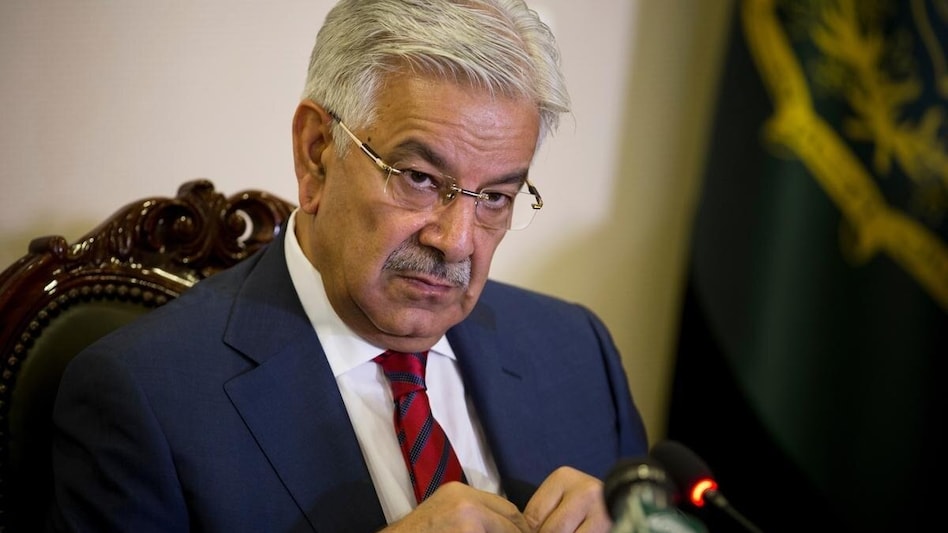
Twenty-one hours of talks. The first direct high-level engagement between the US and Iran since 1979. And still, no deal. Yet as the dust settled on the Islamabad negotiations, Pakistan's Defence Minister Khawaja Asif stepped out to say the next round is already expected soon.
Speaking to reporters outside Parliament House on Monday, Asif said the diplomatic engagement had so far produced "only positive progress" and noted there had been no negative developments since the talks concluded. The next round of Iran-US negotiations was expected soon, he added.

 US govt vs Anthropic: DC appeals court upholds Pentagon blacklist order. What it means?
 RBI changes bulk FD rules from October 1: What depositors and banks need to know
 Historic! Home loans in India are now cheaper than the US -- What NRIs must know
 India-US trade deal '90-per cent-plus there,' says senior US official ahead of key visits
 AI out of control: US govt websites hit as OpenAI bots bypass security controls
 Gen Z And Money: Why Young Investors Want Quick Returns Over Long-Term Wealth Creation
 How Is Alexa+ Different? Will It have Ads Even If You Pay? Exclusive Chat
 Demand Robust Across Segments | Production To Ramp Up, Exports To Expand: Vivek Srivatsa
 GST Council To Meet On October 7: Invoice Matching, ITC & UPI MDR Tax In Focus
 Tata Chip Plans Stay On Track Despite Boardroom Rift; Dholera Fab Investment Unaffected
 IPO rush: Four IPOs conclude today; check subscription status, other details of issues still open
 Meesho shares slip 7% as Nomura assigns 'reduce' call; here's what the brokerage says
  Sensex, Nifty extend losing streak to seventh week, longest since 2020: What's next?
 Suzlon in bear grip: Oversold signals emerge near 52-week low for the stock
  EIL shares jump 7% to hit record high; stock up nearly 62% in six months: What's driving the rise?
 Repeated ₹2,000 UPI payments for one purchase? Your bank could flag the pattern: What it means
 Amazon Great Indian Festival 2026: From Galaxy S25 to Moto Signature, 5 premium smartphones to buyGen Z And Money: Why Young Investors Want Quick Returns Over Long-Term Wealth Creation
 Bill Gates warns AI could trigger events causing ‘billion deaths’. What he meansUS govt vs Anthropic: DC appeals court upholds Pentagon blacklist order. What it means?












