


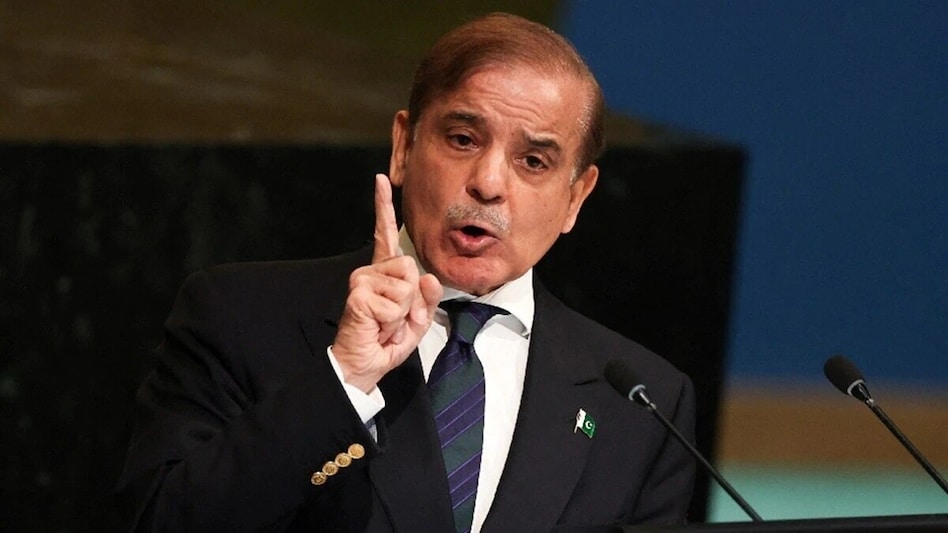
 Pakistan has played a key intermediary role in recent weeks, facilitating communication and passing messages between Washington and Tehran.
Pakistan Prime Minister Shehbaz Sharif said that violations of the Iran-US ceasefire “have been reported,” even as he urged all sides to maintain restraint and uphold the agreement. His remarks come amid a fragile two-week truce brokered with Pakistan’s involvement, which is already facing uncertainty on the ground.
Sharif said, “Violations of ceasefire have been reported at a few places across the conflict zone, which undermine the spirit of the peace process. I earnestly urge all parties to exercise restraint and respect the ceasefire for two weeks, as agreed upon, so that diplomacy can take a lead role towards peaceful settlement of the conflict.”

 'Prosperous Iran or obliterated Iran': Trump's 4-point letter to Khamenei lays out final nuclear deal terms
 Adani-linked funds: SEBI rejects settlement bids, says report
  Block deals today: Meesho, Lenskart shares to see action; likely selling shareholders, targets
 Small finance bank FDs offer 8.10% vs SBI’s 6.45%: Is the extra 165 bps worth the risk?
 Either with us or against us: US warns of ‘economic D-Day’; Iran calls threats ‘desperate’
 Retirement Does Not Mean Tax-Free Income: Know When Pension And Other Income Is Taxable
 How Retirement Income Is Taxed And What Investors Need To Know
 Commuted Vs Uncommuted Pension: Know The Difference And How Each Is Taxed After Retirement
 Motor Insurance Add-Ons You Actually Need Explained: Zero Depreciation, RSA & Return-To-Invoice
 No Claim Bonus Explained: When Should You Claim Or Pay For Repairs Yourself?
 Adani-linked funds: SEBI rejects settlement bids, says report Block deals today: Meesho, Lenskart shares to see action; likely selling shareholders, targets
 Nifty, Sensex, Nifty Bank outlook for today: GIFT Nifty up 75 points; key levels to watch
 Top stocks in news: RIL, Horizon Parks, Meesho, Lalithaa, Bank of Baroda, Lenskart, Power Grid
 Hold YES Bank, Federal Bank; buy HDFC Bank, Kotak Mahindra, Axis: ICICI Securities
 LPG, CNG, PNG prices today, August 24: Check latest rates in Delhi, Mumbai, Chennai, other citiesAdani-linked funds: SEBI rejects settlement bids, says report
  ‘Since I arrived, I’ve only been paying bills’: Indian man in Japan spends nearly ₹1 lakh in 25 days
 Petrol, diesel prices today, August 24 : Check latest rates in Delhi, Mumbai, Chennai, Kolkata & moreEither with us or against us: US warns of ‘economic D-Day’; Iran calls threats ‘desperate’












