












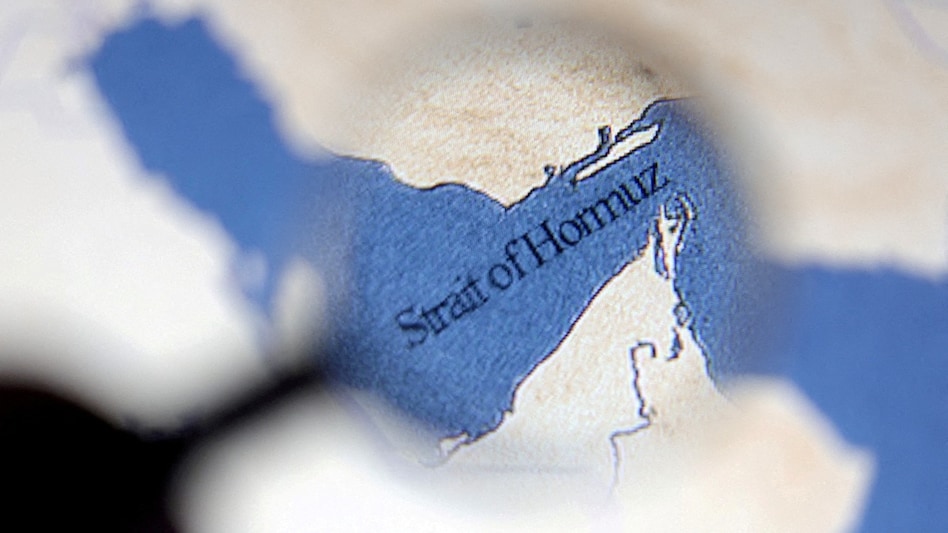
 Strait of Hormuz disruption: IEA lists ways to reduce energy demand
 Strait of Hormuz disruption: IEA lists ways to reduce energy demand
The International Energy Agency (IEA) said restoring transit through the Strait of Hormuz is essential to stabilise global energy markets, while listing certain measures governments can implement to reduce energy demand.
IEA Executive Director Fatih Birol said in the absence of a swift resolution, the impacts on energy markets are set to become “more and more severe”. “As the global energy authority, the IEA is doing everything we can to support the stability of energy markets. We have recently launched the largest ever release of IEA emergency oil stocks – and I am in close contact with key governments around the world, including major energy producers and consumers, as part of our international energy diplomacy,” he said.
Birol said IEA’s “menu of immediate and concrete measures” for governments draws from its decades of expertise and measures that have proven to work.
As per the agency, the following are the measures to reduce demand:
1. Work from home where possible – This will displace oil use from commuting, especially where jobs are suitable for remote work.
2. Reduce highway speed limits by at least 10 km/h – This would lower speeds that would reduce fuel use for passenger cars, vans and trucks.
3. Encourage public transport – Oil demand would quickly reduce if there is a shift from private cars to buses and trains.
4. Alternate private car usage in large cities on different days – IEA stated that number-plate rotation schemes can reduce congestions, thereby saving fuel.
5. Increase car sharing – Higher car-occupancy and eco-driving could lower fuel consumption.
6. Efficient driving – Better driving practices, especially for road commercial vehicles and delivery of goods, vehicle maintenance and load optimisation can cut diesel use.
7. Divert LPG use from transport – Shifting bi-fuel and converted vehicles from LPG to gasoline can preserve LPG for cooking and other essential needs.
8. Avoid air travel – Reducing business flights, where alternative options exist, can quickly ease pressure on jet fuel markets.
9. Switch to other modern cooking solutions – Electric cooking and other modern options can reduce reliance on LPG.
10. Leverage flexibility with petrochemical feedstocks – Industry can help free up LPG for essential uses while reducing oil consumption through quick operational improvements, the IEA said.
 'Closure of Hormuz is unacceptable': In Lok Sabha, PM Modi outlines India's energy response amid West Asia crisis
 Gold, silver futures tumble up to 8%: Here’s why bullion is under pressure
  Dollar index nears 100 mark as West Asia war stokes inflationary fears
  Not like China: Fareed Zakaria says India is more approachable, manageable; has a multi-alignment policy
 Real-money gaming ban backfires? 1 in 3 RMG users shift to offshore betting sites
 Congress Rift Explodes In Kerala: Rahul Flags Ticket List, Women Representation Row Deepens Crisis
 Patriot Missile Mystery: Bahrain Blast Raises Questions Over U.S. Strike, No Proof Of Iranian Drone
 Hormuz Flashpoint: Iran Warns UAE Of Crushing Retaliation, Gulf Tensions Threaten Global Oil Routes
 Oil Shock Twist: U.S. Eases Iran Sanctions To Cool Prices, Sparks Global Market Uncertainty Amid War
 Amid Hormuz Chaos, India Pulls Off Daring Tanker Rescue With Key Iran Support
 Larsen & Toubro stock dropped 4% today; Macquarie shares target price
 DCX Systems shares zoom 15%, mcap crosses Rs 2,000 crore; here's why
  Market crash in numbers: Rs 14 lakh cr wiped out as Sensex tanks 1,900 pts on Trump's Iran ultimatum
  Bajaj Housing Finance shares crash 57% from all-time high; why JM sees limited upside?
 'Second only to Covid': Rs 47 lakh cr stock market cap gone in Iran war! What analysts say