

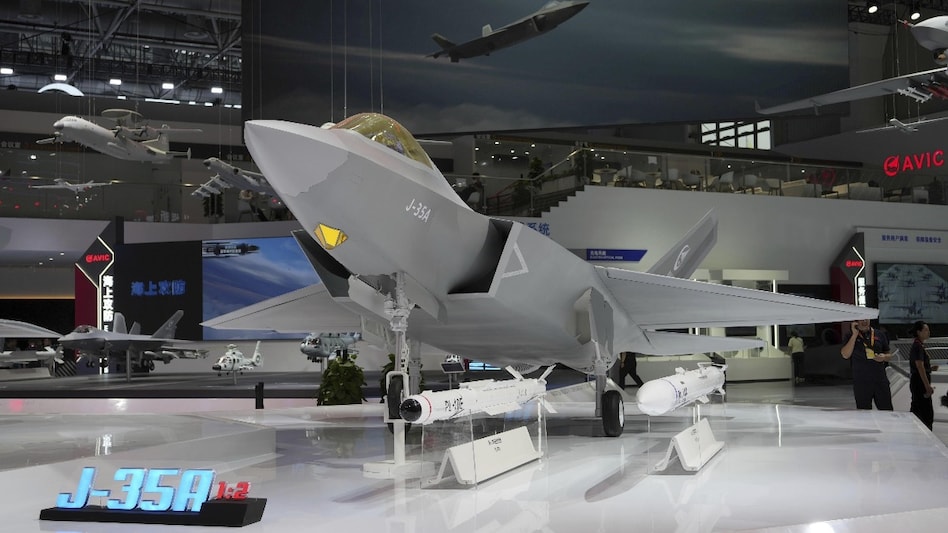
 Some experts claimed the J-35 deal is unlikely before 2030 due to Pakistan’s pending J-10C payments, which may take up to eight more years to clear.
In a move that has triggered disbelief and debate across Chinese social media, Beijing is reportedly fast-tracking the delivery of 30 J-35A stealth fighters to Pakistan — its first export of a fifth-generation jet. Scheduled to begin arriving by August 2025, the deal is reportedly being offered at a 50% discount, with Pakistani pilots already undergoing training in China.
The timing of this announcement, coming after the Pahalgam terror attack, has sparked intense scrutiny — not only over China’s production capacity but also over Pakistan’s ability to pay for such high-end aircraft while depending on IMF aid for basic survival. The move also an effort by China to arm Pakistan as a proxy against India and also test its weapons systems for global exports.
 HDFC Bank's next CEO: Deputy MD Kaizad Bharucha in focus after Jagdishan opts out
 India's debt ratio looks reasonable, but its interest cost doesn't, says ISB finance professor
 Less than $1 per tonne-km: Bengaluru startup announces autonomous seaplane to cut cargo costs
 Nepal issues fresh flood alert as Bhote Koshi river flow increases further
 From IIT, IIM and London to IAS: Deoria DM Divya Mittal resigns after 13 years
 Can Quick Commerce Growth Help It Reclaim Its All-Time High? | Zomato Shares | Swiggy Shares
 From ‘Pothole City’ To Global Hub? D. K. Shivakumar’s Big Bengaluru Vision
 Tax-Saving Hacks: Expenses For Content Creators & Freelancers — What You Can Claim
 Advance Tax For YouTubers & Freelancers: When And How Much Tax Should You Pay?
 Debt Funds Have Risks Too: 3 Key Risks Every Investor Should Know Before Investing
 Jio Platforms IPO gets SEBI nod: Rs 27,500 crore debt repayment plan, $100 billion valuation in focus
 Closing Auction Session: Why the system expected to reduce volatility is still seeing occasional wild swings
 RIL-backed penny stock hits 52-week low; firm clarifies on high trading volume
 Happiest Minds shares slip despite IT stocks surge; here's what is weighing on the stock
 BEL, Solar Industries shares remain Nuvama's top defence picks; here's what it said on BDL, Data Patterns, HAL
 Tim Cook pay rank and net worth: How Apple CEO compares with Elon MuskCan Quick Commerce Growth Help It Reclaim Its All-Time High? | Zomato Shares | Swiggy Shares
 Profit-driven world is dystopian, says Zoho's Sridhar Vembu
 Former India pacer Javagal Srinath's Bengaluru Metro photo leaves fans praising his humble lifestyleFrom ‘Pothole City’ To Global Hub? D. K. Shivakumar’s Big Bengaluru Vision












