


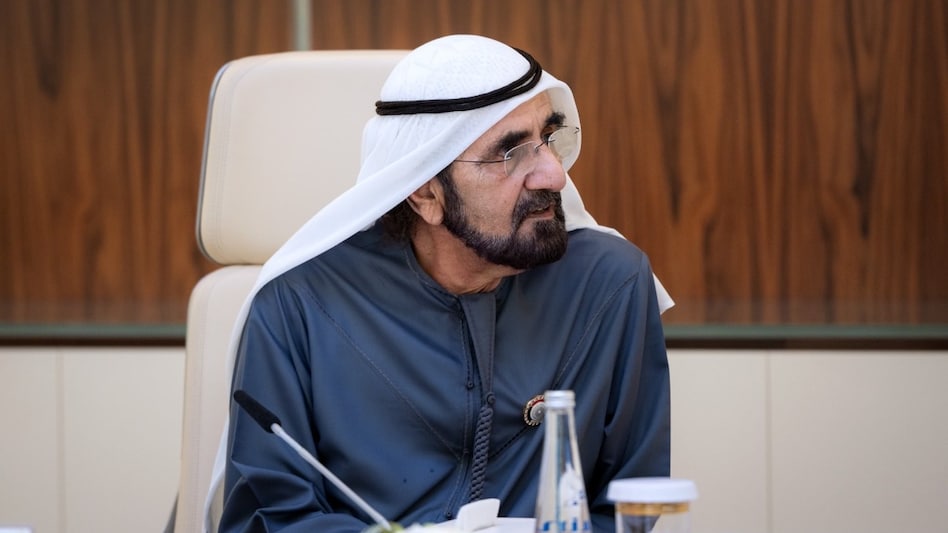
 Sheikh Mohammed bin Rashid Al Maktoum, Vice-President and Prime Minister of the UAE and Ruler of Dubai, revealed that 50% of government sectors, services, and operations will transition to Agentic AI.
In a move that could redefine how governments function in the digital age, the United Arab Emirates has announced an ambitious plan to integrate “Agentic AI” across half of its public sector operations within the next two years — positioning itself at the forefront of autonomous governance.
Sheikh Mohammed bin Rashid Al Maktoum, Vice-President and Prime Minister of the UAE and Ruler of Dubai, revealed that 50% of government sectors, services, and operations will transition to Agentic AI — systems capable of independently analysing data, making decisions, executing tasks, and improving outcomes in real time.

 BT Big Story: The two-year MBA is losing steam. What does it mean for you?
 Oil exports via Hormuz rebound to 80% of pre-war levels but Iran is losing its lifeline. Here's how
 Gold enters the pension portfolio: Why global funds are increasing allocations to the precious metal
 Global refining capacity is becoming a key factor in fuel-market security
 REIT payouts double to ₹3,136 crore: Is Indian commercial real estate becoming an income play?
 Gold Vs Silver: Which Should Investors Buy? Ajay Kedia Shares His 70:30 split Strategy
 Can You Sell Bonds Before Maturity? Liquidity, Exit & Penalties Explained
 Bonds Vs FDs: Are Bonds A Better Alternative For Higher Returns? Risks Explained
 Should You Buy Gold Now? Festive and Wedding Season Strategy Explained
 Direct Vs Regular Mutual Funds: Why the Right Advisor May Matter More Than 1% Cost
 Oil exports via Hormuz rebound to 80% of pre-war levels but Iran is losing its lifeline. Here's how
 Nvidia shares approach record high as AI optimism revives investor demand
 Sebi receives 20,000 comments on proposed CAS changes; framework to follow soon
 Stock market sell-off: Nifty, Sensex log 8th straight weekly loss; key levels & top triggers now
 IPO boom: 69 Indian companies raise Rs 90,500 crore in Q3 despite stock market sell-off; what's nextOil exports via Hormuz rebound to 80% of pre-war levels but Iran is losing its lifeline. Here's how
 HDFC Bank vs ICICI Bank vs smaller lenders: Where senior citizens get better FD returnsBT Big Story: The two-year MBA is losing steam. What does it mean for you?Gold enters the pension portfolio: Why global funds are increasing allocations to the precious metal
 Delhi-NCR housing prices jump 12% in Q3 2026; average rate hits ₹9,980 per sq ft












