


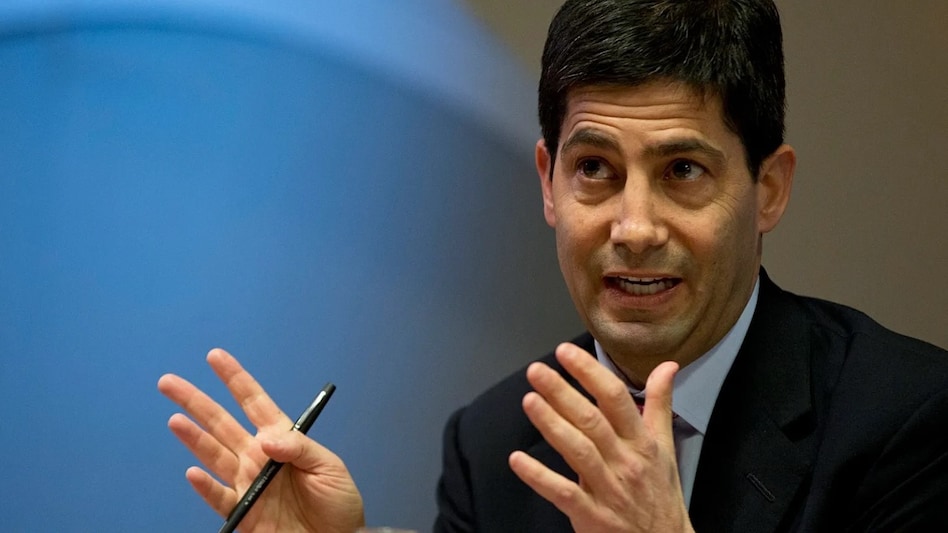
 The selection of Warsh concludes a competitive process that, at its peak, included around 11 contenders.
President Donald Trump named Kevin Warsh to succeed Jerome Powell as chair of the US Federal Reserve, capping a five-month process marked by extraordinary political pressure on the central bank and persistent public attacks on its leadership.
The announcement on January 30 brings to a close months of speculation over who Trump would select to lead the Fed, amid repeated attempts by the president to influence monetary policy by calling for aggressive interest-rate cuts.
 India’s AI bet goes global: 93% of businesses trust AI with data, 87% eye new markets
 RBI forex swap facility draws $72.85 billion inflows, FCNR(B) deposits account for bulk
  Delhi H1N1 outbreak: 1,777 cases recorded. Symptoms, who are at risk & how to stay safe
 FII sentiment shows early signs of turnaround after months of selling: Report
 UPI should remain free: Expert on why MDR could push merchants and consumers back to cash
 Rental Income Tax: 3 Key Deductions Every Senior Citizen and Property Owner Should Know
 Meta’s $200 Billion Trial: Did Instagram & Facebook Keep Kids Hooked?
 Motor Insurance Explained: Is Third-Party Car Insurance Enough? Know Before You Buy
 Retirement Tax Planning: 5 Ways Senior Citizens Can Reduce Their Tax Liability
 #IndiaAt100 : Adipen Bose Nandhiji On Conscious Capitalism- Can Profit & Purpose Coexist?
 Crompton Greaves says no plan to sell stake, expects revenue to double by FY31
 Gaja Alternative Assets IPO: 3 ways to check application status; allotment odds, GMP, listing dateFII sentiment shows early signs of turnaround after months of selling: Report
 ₹24,800 crore bill: How transaction costs are eating into retail derivatives trading
 Cupid, NTPC Green, NTPC, Raymond Realty, HAL shares: Key technical levels to watchRental Income Tax: 3 Key Deductions Every Senior Citizen and Property Owner Should Know
 LinkedIn dating? India chief says platform to remain professional networking only
 AI jobs rise 51% in India, but 75% of job skills could change by 2030: LinkedIn India headRBI forex swap facility draws $72.85 billion inflows, FCNR(B) deposits account for bulk
  India’s forgotten soft drink: This Pune brand is 142-years-old and predates Coca-Cola












