

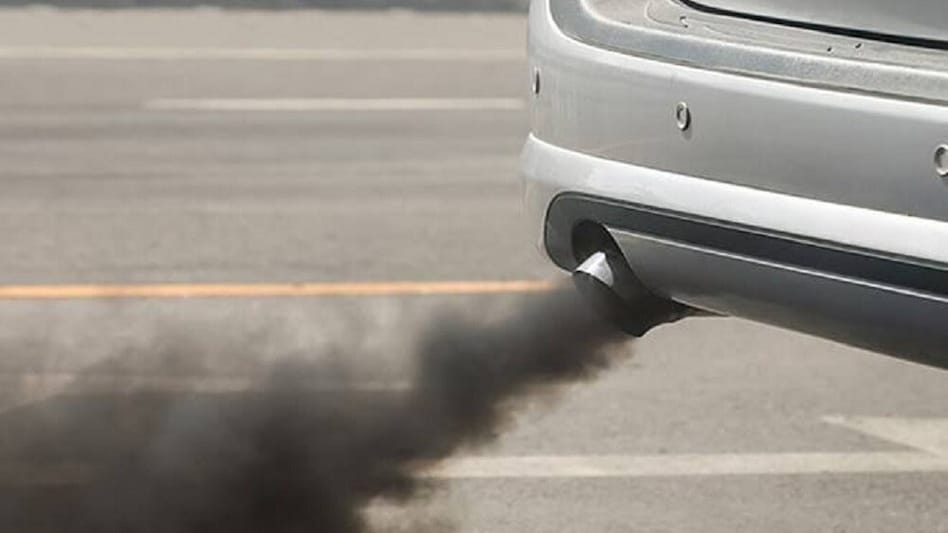
 The Corporate Average Fuel Efficiency (CAFE) norms are a set of regulations that limit the amount of carbon dioxide (CO2) that vehicles can emit in a fiscal year.
 The Indian automobile industry is witnessing a fresh wave of recalibration as Corporate Average Fuel Efficiency (CAFE)-III norms officially come into force from April 1, 2027. These fuel efficiency standards aim at reducing CO₂ emissions and improving fleet-level fuel economy.
These norms, introduced in 2017, are applicable to all vehicles weighing under 3,500 kg, including those powered by petrol, diesel, LPG, CNG, hybrids, and electric powertrains.
 ₹8,862 crore in tolls! This state emerged as India's biggest highway toll revenue generator
 Could India witness a Korea-style market meltdown? Nithin Kamath explains the biggest risk
 How Indian investment overseas is gathering momentum
 Semicon 2.0, space, hydrogen trains: How manufacturing push is gaining pace, shows July's economic review
 To stay ahead, Indian manufacturers are embracing AI
 KOSPI Crash Explained | ₹152 Lakh Crore Gone, AI Stocks Under Massive Pressure
 PSU Stocks Outlook: Can Defence, Power & Industrial PSUs Deliver Strong Returns Ahead?
 "Normal Law & Order": JP Nadda Hits Back At Kharge Over Police Action On Student Protesters!
 Parliament's Most Viral Debate Yet? How Gen Z Language Entered Lok Sabha
 Anti-Paper Leak Bill Passed Amid Massive Row Over Rahul Gandhi's Pellet Gun Claim
 Could India witness a Korea-style market meltdown? Nithin Kamath explains the biggest risk
 Dabur India Q1 results: Profit up 15% at Rs 591 crore YoY; revenue climbs 11%
 FIIs could return to market in six months, says Ajay Bagga
  Sensex, Nifty climb over 1% each; investors add Rs 4 lakh crore in wealth
 Banks, IT, defence, power stocks likely to lead FY27 earnings upgrades, says Ajay Bagga
 Samsung Galaxy Z Fold 8 Ultra Unboxing
 'Amit Shah Ordered Firing?' Rahul Gandhi's Charge Sparks Fierce Showdown in Lok Sabha
 'Delulu', 'FOMO', 'Kuchu Puchu': Gen Z Slang Dominates Parliament Debate
 Bengaluru Restaurants Threaten Swiggy-Zomato Boycott Over Commissions & ChargesKOSPI Crash Explained | ₹152 Lakh Crore Gone, AI Stocks Under Massive Pressure










