

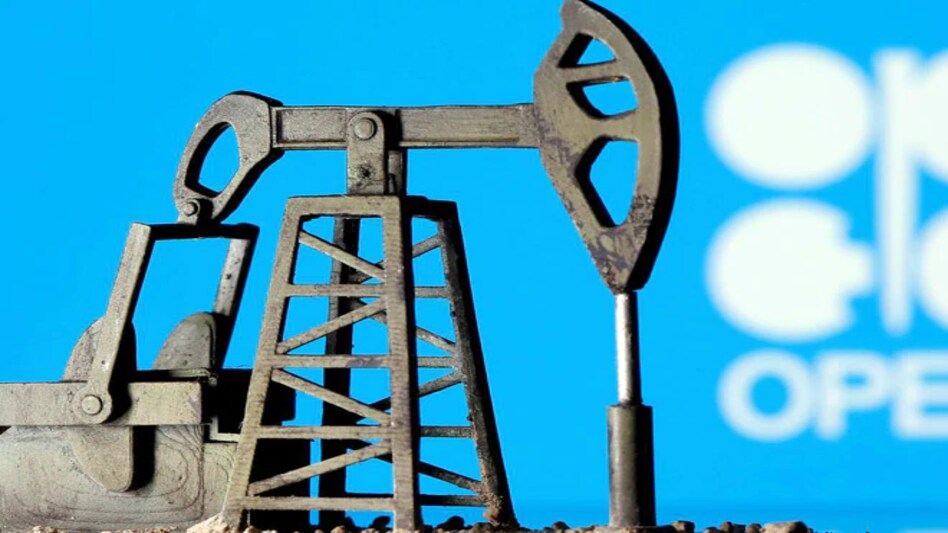
OPEC+ agreed on Thursday to gradually ease its oil output cuts from May, sources said, after the new US administration called on Saudi Arabia to keep energy affordable, mirroring Donald Trump's practice of calling OPEC's leader over oil policy. The group, which has been implementing deep cuts since oil prices collapsed in 2020 due to the coronavirus crisis, agreed to ease production cuts by 350,000 barrels per day (bpd) in May, another 350,000 bpd in June and further 400,000 bpd or so in July.
It was not immediately clear whether Saudi Arabia would ease up on its own voluntary cuts of 1 million bpd, which it has been implementing in addition reductions under the OPEC+ deal. A source said Riyadh was continuing to review its position. Under Thursday's deal, oil cuts implemented by OPEC+ would be just above 6.5 million bpd from May, compared with existing curbs of slightly below 7 million bpd in April.
 NCLT order misread: Subhash Chandra's ₹22,006 cr case isn't a 99.97% bank loss, say govt sources
 BT Explainer: Why JSW Group is putting its plans to make battery cells in India on hold
 BPCL takes rare risk to bring Iraqi crude through Strait of Hormuz
 NDA may win 326 seats, BJP 261 if Lok Sabha polls held today: India Today-CVoter MOTN
 India eyes ₹13,000 crore battery component push to reduce reliance on China: Report
 Nepal Flood Crisis: Massive Floods Leave Trail Of Destruction Across Rasuwa, Nuwakot And Chitwan
 Oseltamivir Shortage Explained: Why H1N1 Cases Are Driving Demand & Prices Are Varying Sharply
 Stock Market Outlook: Strong Earnings, Global Risks; What’s Next For Nifty Above 24,000?
 Lupin Stock Outlook: Citi Downgrade Vs Bernstein Buy; Is The Pharma Stock A Buy Now?
 Polycab, KEI Industries: BofA Buy Calls, Targets Up To ₹11,000; Sunny Agrawal Picks Polycab
 HDFC Bank shares hit 52-week low, down 28% YTD; experts see further downside
 Fintech firm Paramotor Digital gets Sebi nod for IPO
 Wipro ADRs jump 7% on Google Cloud partnership; key details
 Internet stocks look expensive, but Nykaa and Lenskart remain long-term bets: Mayuresh Joshi
 Gujarat Pipavav shares: JM Financial retains target, sees 27% upsideNepal Flood Crisis: Massive Floods Leave Trail Of Destruction Across Rasuwa, Nuwakot And ChitwanOseltamivir Shortage Explained: Why H1N1 Cases Are Driving Demand & Prices Are Varying SharplyStock Market Outlook: Strong Earnings, Global Risks; What’s Next For Nifty Above 24,000?Lupin Stock Outlook: Citi Downgrade Vs Bernstein Buy; Is The Pharma Stock A Buy Now?Polycab, KEI Industries: BofA Buy Calls, Targets Up To ₹11,000; Sunny Agrawal Picks Polycab












