

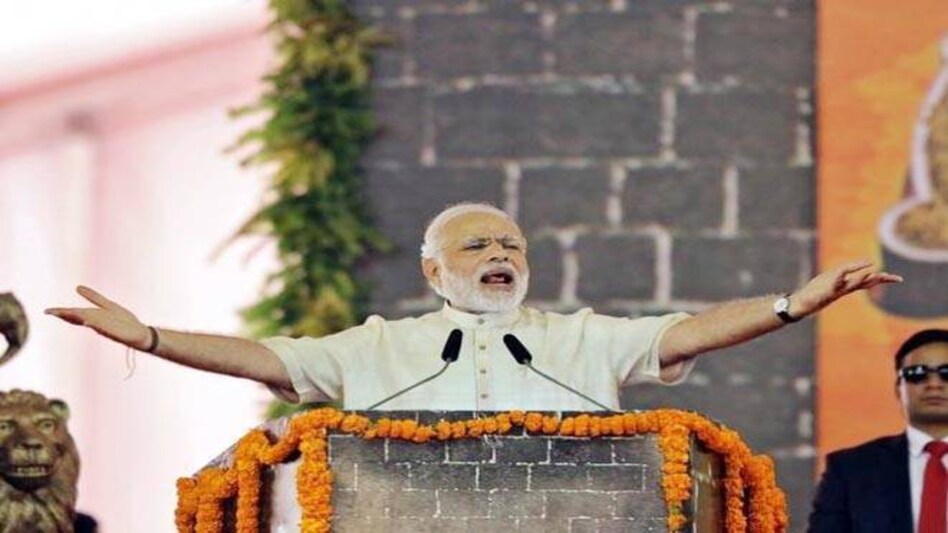
Seven decades after independence and nearly three decades after India's economic liberalisation, the government of the day took great pride in announcing that every village in the country has now been electrified. Prime Minister Narendra Modi took to Twitter to announce that "28th April 2018 will be remembered as a historic day in the development journey of India. Yesterday, we fulfilled a commitment due to which the lives of several Indians will be transformed forever! I am delighted that every single village of India now has access to electricity." There was much back-slapping, especially because this was managed 12 days ahead of the deadline set by Modi.
On paper, Modi has now delivered on a key electoral promise that helped him storm into power - electricity to all. When he took office in 2014, there were over 18,400 villages without electricity and last Saturday, Leisang in Manipur became the last village to be connected to the grid. However, that is mostly on paper because, almost 32 million homes remain in the dark as you read this.
 India to divert 3.5 lakh tonnes of export sugar to local market as prices surge
 AI boom is helping offset oil shock, but global economy still faces risks, warns IMF
 Apple may manufacture iPads, MacBooks in India, but local components take priority
  Vedanta denies reports of stake sale in Vedanta Ltd, Vedanta Aluminium Metal or group companies
 Expired food, pests, foul smell: Posh Delhi hotels booked for BRICS summit under FSSAI lens
 YouTube, Insta Earnings Are Not Tax-Free: What Freelancers & Content Creators Must Know About Tax
 What’s Hot: Stocks, Gold & Big Money Moves | Daily Markets Show | August 26 | Business Today TV
 Nifty Rally Gets A Boost From Falling Oil: Vaishali Parekh On What Comes Next
 IIT Delhi Protests Over Student Death As Students Demand Accountability And Independent Probe
 How This Fund Manager Turned ₹1 Cr Into ₹7.6 Cr | Abhay Agarwal On Beating The Market by 8.8% A Year
 Tata Capital shares: Nuvama ups target price; says Tata Motors Finance drag largely behind
 ICICI Prudential AMC: Promoter Prudential to sell 2% stake; stock slips
 Adani-backed Cemindia Projects may raise up to Rs 5,000 crore through QIP: Report
 Why did Sensex, Nifty erase gains to settle lower today?
 Piper Serica exits CDSL, CAMS shares; adds Gland Pharma, Astra Microwave
 Richa Chadha gifts life-size mechanical elephant to temple in humane Onam gesture
  Moderna's cancer vaccine cuts melanoma recurrence risk in early trial: What we know
 From bank accounts to stocks and NPS: Pensionbazaar launches unified wealth tracker; here's how it will work
 Nepal flash floods: Nearly 400 Kailash Mansarovar pilgrims out of contact; India keeps relief aircraft on standby
 Oberoi Udaivilas files police complaint after tourist allegedly fails to pay ₹5.74 lakh bill












