Turning the Tide: How PepsiCo India is Building a Cleaner, Circular Future Through Waste Management and Innovation
Turning the Tide: How PepsiCo India is Building a Cleaner, Circular Future Through Waste Management and Innovation
Plastic pollution is one of the most pressing environmental challenges of our time. Its effects are particularly visible in India’s urban and semi-urban centers. Yet within this challenge lies an opportunity: to shift how waste is perceived and managed, transforming plastic into a resource through a circular economy.
Waste workers working in safety gear at a waste sorting belt
Plastic pollution is one of the most pressing environmental challenges of our time. Its effects are particularly visible in India’s urban and semi-urban centers. Yet within this challenge lies an opportunity: to shift how waste is perceived and managed, transforming plastic into a resource through a circular economy.
Advertisement
As the world observes World Environment Day 2025, we looked at examples of community-led waste management initiatives running in cities. PepsiCo India, one of the key FMCG companies driving scalable initiatives, is driving circular waste management initiatives inspired by its Partnership of Progress philosophy.
Project Purna : professionalizing waste workers in Mathura-Vrindavan
The twin cities of Mathura and Vrindavan welcome millions of tourists each year; the cities also generate significant unmanaged waste.
PepsiCo India’s initiative Purna in collaboration with PLAN Foundation, Recity Network, and the Mathura-Vrindavan Nagar Nigam (MVNN), is reimagining the cities’ waste management ecosystems.
The unique approach includes engaging over 260 waste workers, more than 50,000 citizens, and nearly 5 million tourists on the importance of waste segregation, with over 3,200 metric tons of waste from landfills diverted.
The impact goes beyond numbers—it is transforming lives.
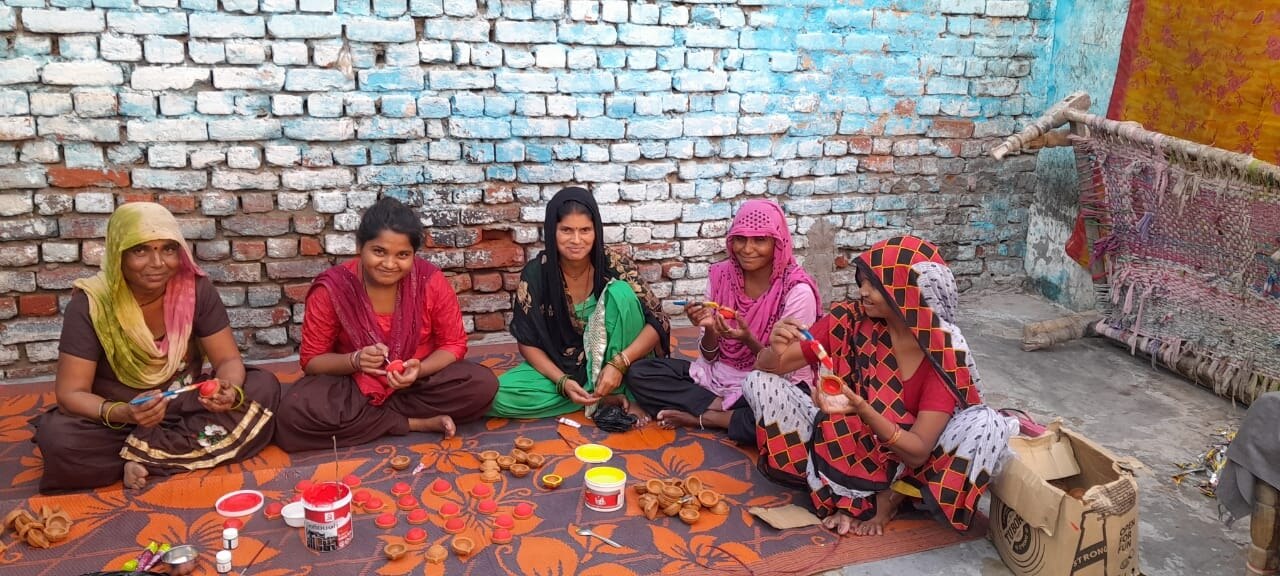
The women waste workers are placed at the heart of improving cleanliness and circularity in these cities. Through professionalization efforts for the waste workers, not only has the waste segregation improved but also these women are now generating additional incomes by diverting more recyclable waste for recyclers.
They are also being provided access to government healthcare schemes, vocational trainings and are now making small sale-able goods for home use which also enables more dignified livelihoods.
Speaking on the initiative, Yashika Singh, Chief Corporate Affairs Officer and Sustainability Head, PepsiCo India and South Asia, said, “At PepsiCo India, we aspire to build sustainable ecosystems by transforming waste into value. Project Purna exemplifies our ‘Partnership of Progress’ philosophy — meaningful progress is only possible through collaboration and a shared journey. We’re happy to see the cities of Mathura-Vrindavan transform into an example of community driven action leading to tangible environmental change.”
Advertisement
Women enabled through self help groups to repurpose waste into items for sale
Tidy Trails: Empowering Citizens, Scaling Impact
Tackling urban plastic waste management, PepsiCo India and The Social Lab partnered to launch Tidy Trails, an initiative that drives awareness by collecting, segregating, and recycling plastic waste into usable infrastructure like benches and chairs, while also enabling behavioural change through community engagement. Building on successful runs in Agra and Guwahati, PepsiCo India has upscaled the Tidy Trails initiative, extending it in both cities this year and has launched it in New Delhi and Pune.
Advertisement
Since its inception, Tidy Trails has collected over 68,000 kg of plastic waste and reached more than 76,000 people, with significant participation from local shopkeepers. Its impact stems from grassroots mobilization—door-to-door campaigns, market drives, and collaboration with municipal bodies.
“Plastic waste can be a solution if managed responsibly,” added Yashika Singh. “Tidy Trails brings together citizens and local governments to create impact where it matters most—on the ground.”
As Tidy Trails continues to scale, it offers a replicable model for integrating environmental action into daily life—one that is proactive, inclusive, and community-led.
Circular plastic management ecosystems need wider support
India’s push for circular plastic management is gaining momentum, with industry backing stronger recycling frameworks. Brands are innovating with packaging redesigns, alternative materials, and EPR credit systems. PepsiCo India is transitioning into polyolefin mono-material based packaging, making foods packaging more recycle friendly with better end of solutions; and was the first in India to introduce 100 per cent recycled plastic (rPET) bottles in the carbonated beverage category with Pepsi Black. Partnering with industry consortiums such as CII India Plastic Pact and WeCare, PepsiCo India is actively contributing to studies on plastic recycling that can inform work with recyclers, unlock ease of operations, and more.
Yet, deeper regulator-industry collaboration can address preparedness to drive recycling targets, and infrastructural solutions to input recycled plastic back into the packaging, enabling true circularity.
Advertisement
A Shared Mission for a Sustainable Tomorrow
Whether through waste workers gaining professional recognition or operating in collaboration with the industry, PepsiCo India’s sustainability journey is anchored in one idea: Partnership of Progress.
In a world facing complex environmental challenges, the path forward lies in collective action. With communities at the heart, strong partnerships, and a shared vision, PepsiCo India is showing that sustainable transformation isn’t just possible—it’s already underway.















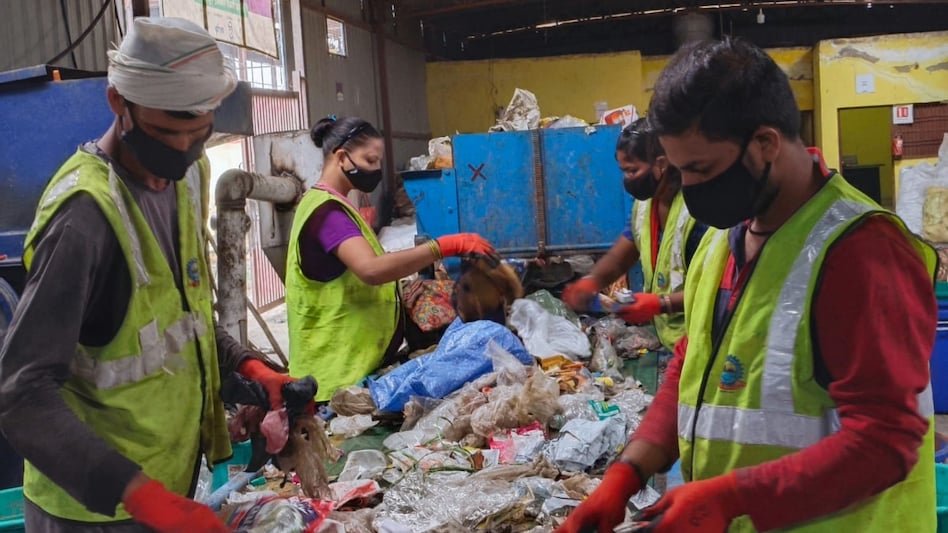 Waste workers working in safety gear at a waste sorting belt
 RBI's forex swap scheme pulls in record $143.6 billion till Sep 18
  Bank strike next week: Five-day disruption may hit your salary credits
 NSE IPO subscribed 5.7 times as QIBs lead demand; shares to list on BSE on September 24
 Indian Oil, HPCL, BPCL shares rise as brent crude prices fall for fourth day
  Tata Sons power struggle: Who will pay for the next legal battle?
 Burqa Ban In Italy? Meloni Pushes New Rules On Face Coverings
 Tata Trusts-Tata Sons Row: Harish Salve Explains RBI Rules, Singhvi Flags Shareholder Rights
 Top Legal Eagles Flock To Tata Sons & Tata Trusts As Boardroom Clash Heads To Court
 Over Next Three Years Company Expects To Invest ₹15,000 Cr For Deepwater Exploration
 Tata Sons Listing Row: Shapoor Mistry Backs IPO As Noel Tata Pushes ₹25,000-Crore Plan
 Brokerage sees 96% upside potential in this smallcap stock
 Dr. Reddy’s, Lupin shares among buzzing stocks as pharma sector back in focus
  3 Warren Buffett quotes for Indian stock market investors today
 Sensex jumps 564 points, Nifty tops 23,400; will this upmove sustain?
 Australia Tightens Student Visa Rules: Indian Students May No Longer Bring Family Members
 India Examining Details Of New US Tariffs On Russian Oil Buyers: Piyush Goyal
 Digital Gold May Come Under RBI-SEBI Oversight; Physical Gold Backing Proposed


