


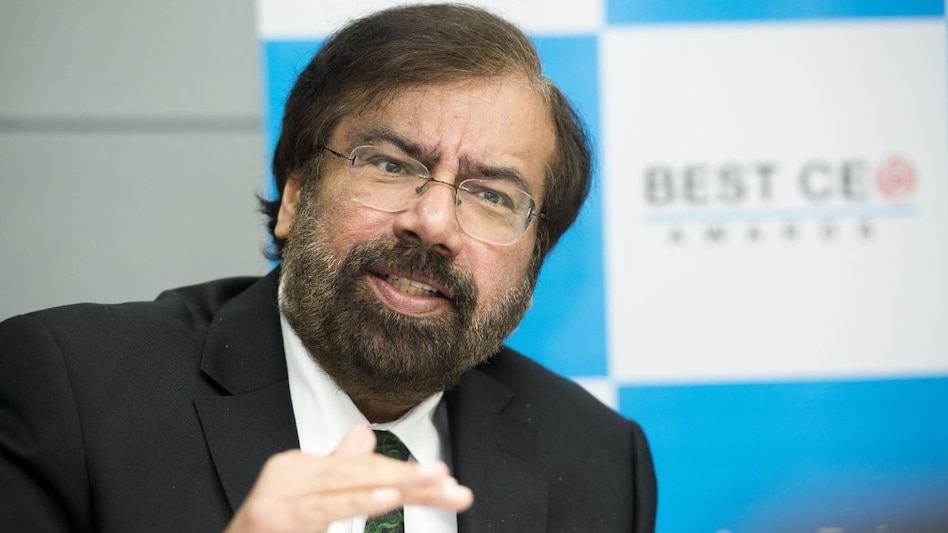
 RPG Group Chairman Harsh Goenka
RPG Group Chairman Harsh Goenka on Sunday drew a comparison between India and China's economic journeys, saying the two countries started at similar points in 1990 but diverged drastically over three decades.
"In 1990, India and China were at similar starting points. Three decades later, China's GDP is nearly five times India’s. What explains this divergence?" Goenka wrote in a post on X, before breaking down the contrast in a short thread titled China vs India.

 ‘Much Appreciated’: Elon Musk responds to Reliance’s statement on Starlink’s India entry
 Brent oil futures hit $110 a barrel! These stocks to watch next week
 Jio IPO: GMP rises; Ventura, SMC Global, SBI Securities, 3 others share views
 'Internet access a fundamental right': Supreme Court rejects age-based ban; issues directions to Centre, platforms
 AI rally loses momentum in emerging markets: Where could investors look next?
 Gold Investment Options: ETFs, EGR And MCX Explained | How To Invest In Gold Beyond Physical Buying
 Redmi Note 17 Pro Max Review , Vivo V80, Vivo Vision | Tech Gear EP 20 | Business Today
 Mahindra XUV 3XO ZNG Review: Turbo Power Meets CNG Mileage
 Gold, Silver Prices: Limited Upside Ahead Of Diwali? Expert Sees Gold At ₹1.5 Lakh, Silver At ₹2.3
 Expert Names REITs And INVITs To Watch For Quarterly Payouts And Potential Investment Returns
 10 IT stocks add Rs 2,75,000 crore in m-cap in best week in 18 years; here's whyAI rally loses momentum in emerging markets: Where could investors look next?
 Burma Burma operator Hunger Pangs files draft IPO papers with SEBI Jio IPO: GMP rises; Ventura, SMC Global, SBI Securities, 3 others share viewsBrent oil futures hit $110 a barrel! These stocks to watch next week
 Architect of Squid Game is out: Netflix cuts global chief Bela Bajaria. Who is she?10 IT stocks add Rs 2,75,000 crore in m-cap in best week in 18 years; here's why
 Anthropic quietly pitches draft bill to limit how Washington halts dangerous AI models: Report'Internet access a fundamental right': Supreme Court rejects age-based ban; issues directions to Centre, platformsGold Investment Options: ETFs, EGR And MCX Explained | How To Invest In Gold Beyond Physical Buying












