












 He also expressed concern over what he called the United States’ ambiguous position in the Indo-Pacific and West Asia.
 He also expressed concern over what he called the United States’ ambiguous position in the Indo-Pacific and West Asia.
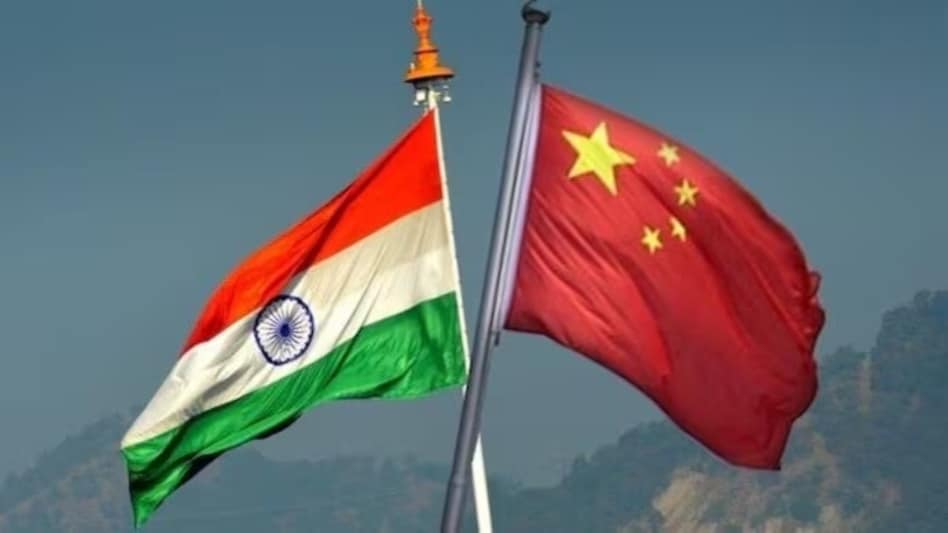
Chief of Defence Staff General Anil Chauhan on Tuesday warned of a possible strategic convergence between China, Pakistan, and Bangladesh—a development he said could carry serious long-term implications for India’s security and regional stability.
Speaking at the launch of the Observer Research Foundation’s Foreign Policy Survey, Gen. Chauhan flagged the shifting geopolitical order and called for sharper assessments of evolving alignments across South Asia.
He stressed that India’s strategic autonomy must not be misread as isolationism. “Frequent shifts in governments across South Asia, along with changing ideological perspectives and geopolitical priorities, are major challenges,” he said.
The CDS singled out the increasing Chinese presence in India’s neighbourhood, warning that a growing China-Pakistan-Bangladesh axis could test India’s security architecture in new ways. He also expressed concern over what he called the United States’ ambiguous position in the Indo-Pacific and West Asia.
“The world is in flux—caught in a transition between two orders. Amid this chaos, the U.S. position further complicates matters,” he said, without citing specifics.
Gen. Chauhan also highlighted the strategic fallout of debt diplomacy in the Indian Ocean Region, where China’s lending has created vulnerabilities among smaller nations. He pointed to Sri Lanka’s 2022 crisis and India’s $3 billion bailout as an example of the growing risks.
Addressing questions on Operation Sindoor, launched in response to a deadly terror attack in Pahalgam that killed 26 civilians, the CDS confirmed Indian strikes on multiple terror camps across the LoC. He said Pakistan escalated the conflict into conventional warfare, limiting its own strategic options.
On possible Chinese involvement, he was cautious. “Pakistan relies heavily on Chinese defence platforms. This naturally requires OEM presence in Pakistan under civil liability arrangements. However, whether the support was state-sponsored is yet to be conclusively established,” he said.
 Amid demerger, this Vedanta company gets 57% share price target hike
  ‘We need to take down the size of the company’: Meta CEO Mark Zuckerberg signals more layoffs
 LPG rule changes from today: Households with LPG-PNG connections on govt's radar, OTP mandatory for delivery
 Jhunjhunwala stock: 49% returns in seven months - Should you buy?
 'It had nothing to fall back on': Robert Kiyosaki on how Hormuz closure impacted Pakistan's oil supplies
 Can Vijay Script A Nandamuri Taraka Rama Rao Style Breakthrough In Tamil Nadu?
 From Booth Violence To EVM Row, Bengal Poll Battle Escalates After Voting
 Exit Poll Sparks Big Twist In Tamil Nadu As Vijay Challenges DMK Stronghold
 "We Stopped On Our Terms": Rajnath Singh’s Bold Warning On India’s 'Surge Capacity' & Operation
 RBI’s Big Move: Is Tata Sons Listing Inevitable?
 Top stocks to buy: Navin Fluorine, Manappuram, Delhivery- Up to 24% upside | Target pricesJhunjhunwala stock: 49% returns in seven months - Should you buy?
 Mphasis shares: Target price raised — rationale behind 'Buy' callAmid demerger, this Vedanta company gets 57% share price target hike
  BHEL Q4 results expectations: Multibagger stock set for dividend; 44% returns n a month