


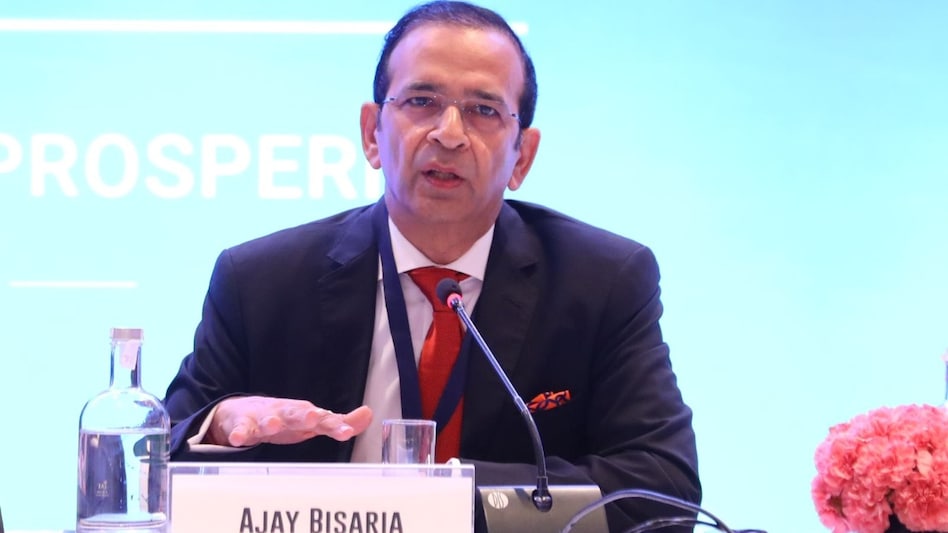
 Former Ambassador Ajay Bisaria
Former Ambassador Ajay Bisaria has predicted that the United States will continue to be India's key strategic partner despite recent tensions over Washington's 50% tariff on New Delhi. He speculated that in the next few months, India and the US are likely to finalise a trade deal, and "don't be surprised if Trump shows in November in India for the Quad summit and signs the biggest deal of the century as he will spin it."
Bisaria pointed to the recent volatility in US-India relations, particularly after the US imposed 25% duties on Indian goods, and an additional 25% for India's purchase of Russian oil. He explained that this sudden move was part of Trump's broader strategy of negotiations.

 BT Big Story: How the FCNR(B) deluge has created two new problems for the RBI
  ‘I think the world of Chandra,’ says JPMorganChase Chairman Jamie Dimon amid reappointment row
 Tata Sons to be split into smaller entities instead of listing? Here’s what we know
 'Professor Doolla simply discharged his duties': IIT-Delhi faculty forum backs professor in IIT Bombay student death
 NSE IPO beats Hyundai, LIC, Paytm in subscription; how 5 largest issues fared
 R Veeramani POCSO Case Widens: Multiple Survivors Traced | India Today Investigation
 Tata Tussle Escalates: N Chandrasekaran Row | What Lies Ahead For Tata Group And Stocks?
 Burqa Ban In Italy? Meloni Pushes New Rules On Face Coverings
 Tata Trusts-Tata Sons Row: Harish Salve Explains RBI Rules, Singhvi Flags Shareholder Rights
 Top Legal Eagles Flock To Tata Sons & Tata Trusts As Boardroom Clash Heads To Court
 Adani Enterprises stock set for 28% upside, says Jefferies; cites these factors
  Pine Labs shares jump 6% after 4.3% equity changed hands in block deal
 Runwal Enterprises IPO opens on September 25; check all key details including price band, size and more
 German Green Steel and Power IPO opens on Sept 25: Check price band, issue size & key details
 Embassy Developments shares rise 8% on 'largest single residential unit transaction'; Angel One founder buyer
  'Hanuman Ansh' beats 'Dhurandhar 2', becomes most profitable Bollywood film of 2026 with over 15,000% ROIAdani Enterprises stock set for 28% upside, says Jefferies; cites these factors Pine Labs shares jump 6% after 4.3% equity changed hands in block deal
 iPhone 18 Pro users have a new problem: Face ID fails, phones reboot unexpectedly'Professor Doolla simply discharged his duties': IIT-Delhi faculty forum backs professor in IIT Bombay student death












