


 India is also looking to lock in long-term advantages through a bilateral trade agreement.
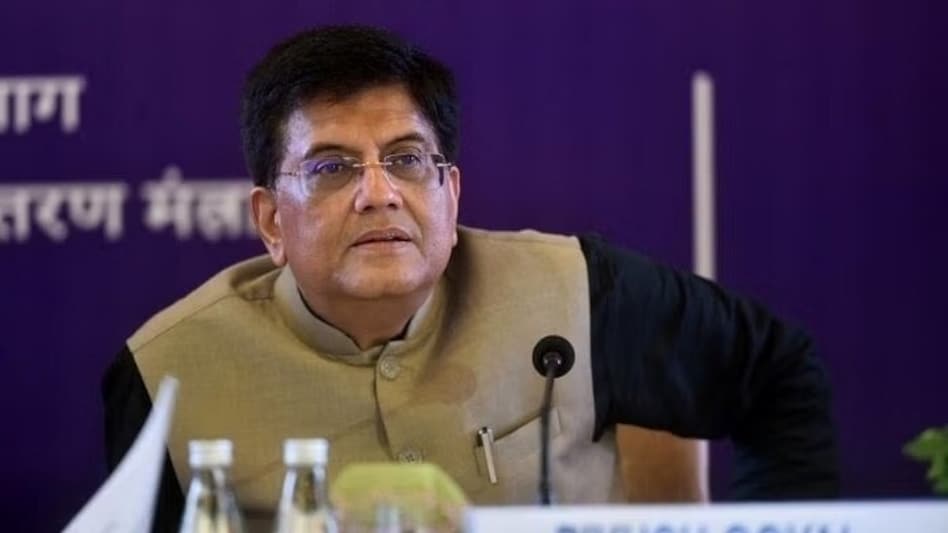
 Commerce Minister Piyush Goyal said India expects “a very high level of U.S. involvement” in its long-term energy security strategy, calling for deeper cooperation across oil, gas, coal, and nuclear power.
Speaking at the U.S.-India Strategic Partnership Forum in New York, Goyal laid out a clear roadmap: “We expect to increase our trade with the U.S. on energy products in the years to come.” He added that the partnership would “ensure price stability, diversified sources of energy for India and help us unlock limitless possibilities with the U.S. on various fronts, energy and beyond.”

 100% tariffs immediately? What Trump’s new Russia sanctions law means for India
 Russian oil & gas purchase: Trump signs Bill into Act targeting 100% tariffs on India, China
 'Tatas today are the face of India...': Former Solicitor General Harish Salve backs Tata Sons public listing
  Trump’s announces Greenland deal with Denmark: What it means for US military presence
 On tracks: How Maruti Suzuki is shifting to railways for its car dispatches
 Gold Price Outlook: Why Gold Could Rise Despite Global Interest Rate Hikes | Silver Market Update
 Health Insurance: Why Claim Settlement Ratio Is Not Enough When Choosing The Right Insurer
 “Unacceptable And Unprofessional”: MEA Rejects Pakistan’s Claims Over INS Kolkata Collision
  Commodity Trading For Beginners: How MCX & NCDEX Work | Trading Basics | Money Today
 US Fed Rate Hikes A Headwind For Foreign Flows? | Jibi Jacob | Jefferies
 Jindal Supreme, SS Retail, Hero Motors IPOs subscribed up to 181 times on final day; details here
 Sensex, Nifty post sixth weekly loss; TCS, Titan among top laggards, slip up to 4%
 How AI collapse could benefit Indian equity market; Jefferies' Christopher Wood explains
  Banks are no more secular growth story, prefer NBFCs: Chris Wood
 Jefferies' Christopher Wood sees gold at $10,000 'sooner or later'; likes India's small, midcapsGold Price Outlook: Why Gold Could Rise Despite Global Interest Rate Hikes | Silver Market Update
 Ghosts in the machine: How a false AI intel almost triggered a US-China clash in West Asia
 Fujifilm X Half review: The not-so-retro digital camera for Gen-Z
 Now, Google Gemini becomes latest AI model to break out & hack real companies On tracks: How Maruti Suzuki is shifting to railways for its car dispatches












