


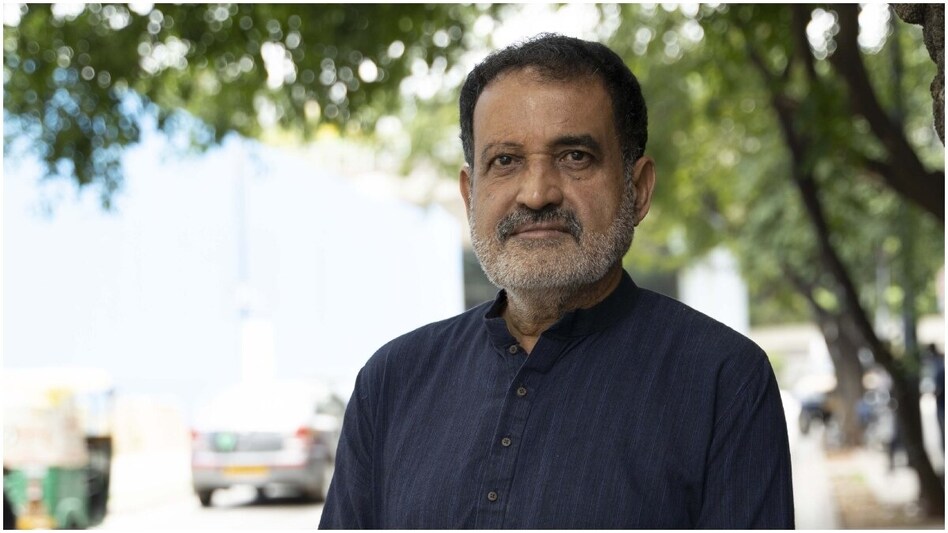
 Pai’s remarks came after Karnataka Ministers M.B. Patil and Priyank Kharge criticised the Centre for what they called financial discrimination.
Former Infosys CFO and Aarin Capital chairman TV Mohandas Pai weighed in on the renewed debate over Karnataka’s share in central tax devolution, urging state ministers to stop raising what he called an “old matter” and instead concentrate on improving Bengaluru’s finances and infrastructure.
Responding to state ministers’ criticism of the Centre, Pai wrote on X (formerly Twitter), “This is decided by the Finance Commission, not any government whether UPA or NDA. Old matter there is no use raising it like this. Already Karnataka and @lkatheeq have raised this before 16 FC. Yes, Karnataka has got less than it deserves. Reduction started with 14FC led by UPA! True.”

 Sajjan Jindal-led JSW Greentech enters electric bus market, rolls out first 100 buses at Dolvi plant
 Why Air India is betting bigger on Canada new Mumbai-Toronto flights and new Dreamliner
 Hyundai Motor India posts highest-ever monthly sales of 75,360 units in July, exports hit 100-month high
 BT Explainer: Air India back with its long-haul monopoly as IndiGo ends widebody operations
 GST collections jump 15.4% to ₹2.11 lakh crore in July, import tax revenues surge nearly 29%
 IRFC CMD Manoj Kumar Dubey Reveals Top Funding Priorities Beyond Railways & IRFC 2.0 Vision
 "Mineral Security Is National Security": G Kishan Reddy On India’s Push For Aatmanirbharta
 From Phones To Semiconductors: Why India Needs More Critical Minerals
 Can India Power Millions Of Homes Without Generating More Electricity?
 Women’s Financial Independence: Why Earning Money Is Not Enough| Priti Rathi Gupta Explains
 HUL shares: Why analyst prefers Marico, Nestle to the FMCG sector leader in short term
 Tata Steel, Vedanta among top metal bets for a six-month view, says analyst
 Bajaj Housing Finance shares down 53% from its peak; is it time to buy?
 GMDC, IDFC First Bank: Expert shares outlook, key levels to watch
 Maruti Suzuki Q1 results: Profit slips 9% YoY to Rs 3,447 crore; revenue climbs 36%IRFC CMD Manoj Kumar Dubey Reveals Top Funding Priorities Beyond Railways & IRFC 2.0 Vision"Mineral Security Is National Security": G Kishan Reddy On India’s Push For AatmanirbhartaFrom Phones To Semiconductors: Why India Needs More Critical MineralsSajjan Jindal-led JSW Greentech enters electric bus market, rolls out first 100 buses at Dolvi plant
 Your car loan is over but your checklist isn't: CA explains costly mistakes made after the last EMI










