

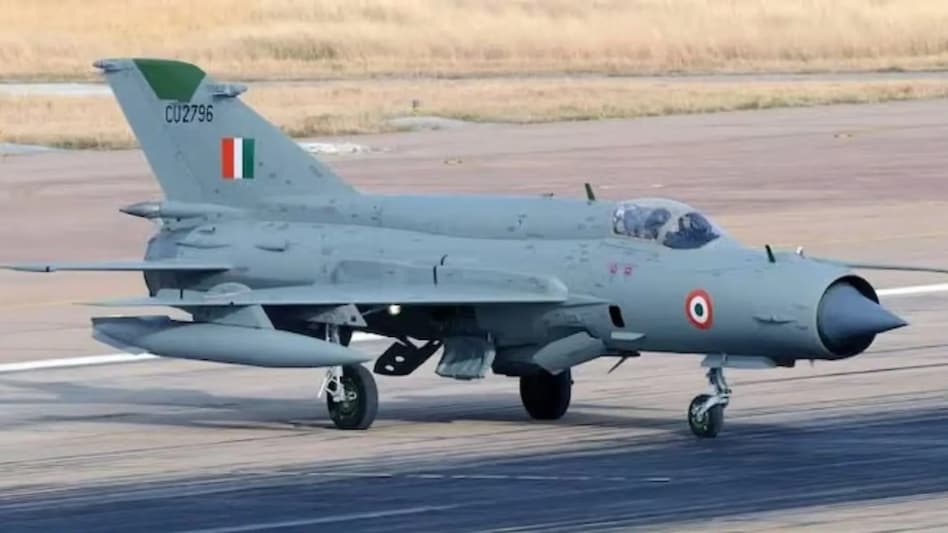
 Few aircraft in history can claim such a wide and impactful service record — from the skies of Vietnam and the Middle East to the Himalayas and Kashmir.
When Sunny Deol’s Border hit the screens in 1997, audiences were gripped by its dramatic retelling of the 1971 Battle of Longewala. While the film immortalised the grit of Indian soldiers on the ground, it also showcased the air power that turned the tide — most notably the Indian Air Force’s MiG-21s, alongside Hunters, which struck enemy armour advancing through the desert. Beyond Bollywood, the MiG-21 was not just cinematic spectacle but a critical asset in the IAF’s arsenal, shaping India’s aerial dominance from 1965 to Balakot and carving a combat legacy across the world.
The Mikoyan-Gurevich MiG-21 (NATO reporting name: Fishbed), once the pride of the Indian Air Force (IAF), has not only shaped the outcome of key battles in South Asia but also earned a reputation worldwide as one of the most battle-tested fighter jets in aviation history. Inducted into India’s fleet in 1963, it went on to become the backbone of the IAF for decades.
 Dope test for all pilots annually? Deliberations between DGCA, stakeholders underway
 Apple’s CEO transition begins: iPhone-maker holds farewell for Tim Cook ahead of John Ternus’ takeover
 Sugar prices set to ease? ISMA says panic buying caused spike, no actual shortage in India
 US plans 7.5% ‘overcapacity’ tariff on Chinese goods, to take overall tariffs to about 20%
 Bank unions strike: Around 8 lakh employees to agitate over 5-day working week, PLI scheme, pension issues
 “Frozen Is Not Bad”: Sanjeev Kapoor Busts Myths About Restaurant Food & Food Safety
 Market Masters | Aniruddha Sarkar On Top Sectors, Market Outlook & Where To Invest
 Daily Calls: Ask Your STOCK MARKET TODAY QUERIES | Market Update | Share Market News Today
 All About Debt Funds: Types Of Debt Funds & How To Invest | Mutual Fund Guide | Money Today
 “India Can Attract Global Space Talent Like A Magnet”: PM Modi To Startup CEOs
 TCS, Infosys, Wipro, HCLTech, TechM, Sonata Software, R Systems shares: Check ratings, outlook
 PFC, REC shares: Why Bernstein sees 37-41% upside for two Maharatna PSU stocks
 Suzlon share price: Stock in the red despite fresh order win; key details
 L&T shares rise after renewables business wins major Middle East battery storage order
 Shankesh Jewellers shares surprise investors on Dalal street listing, stock debuts at 11% premium
 Apple’s new AI Siri on iOS 27 may not be available to everyone at launch: What you need to know
 IndiGo Gaya-Bangkok direct flights from October 26: Check timings, schedule and booking detailsUS plans 7.5% ‘overcapacity’ tariff on Chinese goods, to take overall tariffs to about 20%Sugar prices set to ease? ISMA says panic buying caused spike, no actual shortage in India
 Amazon introduces a price hike for Kindle, Echo, and Fire TV devices by up to Rs 4,000












