














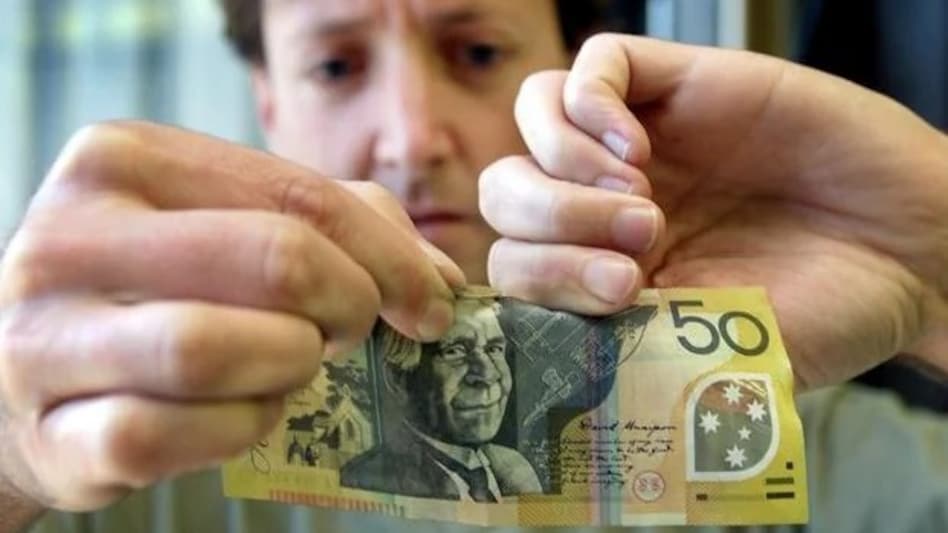
 Plastic notes were first introduced in Australia to safeguard against counterfeiting of currency. Several countries in the West have introduced plastic notes for their advantage over normal notes. (Photo: AFP)
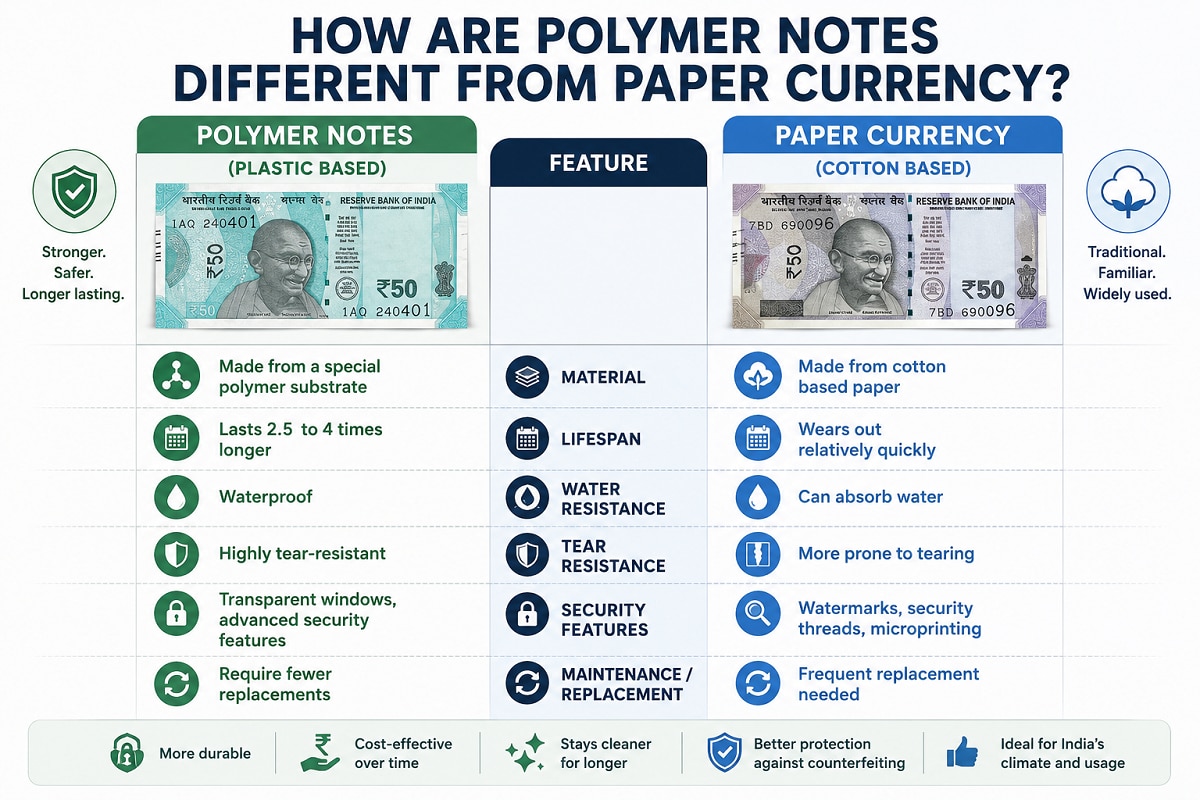
Plastic banknotes will soon make their way into Indian wallets. The Reserve Bank of India (RBI) is preparing to introduce polymer currency notes, marking one of the biggest changes to the country's cash system in decades.
If rolled out, the move would place India alongside more than 60 countries that have already switched from traditional paper-based currency to polymer notes for greater durability and security.
 GST Council set to unveil next-gen reforms: 17-day refunds, simpler registrations, easier input tax credit
 GST Council likely to consider institutional reforms for officers’ committees. Read about the changes
 Cabinet clears ₹10,000 crore SME fund to help Indian companies scale, compete globally. How it'll work
 Sebi tells SAT that Jane Street has enough data to respond to market manipulation charges
 GDP growth at 2.7%: Pakistan's economy is losing momentum. What's going wrong
 Flyadeal Expands In India Enters Mumbai After Hyderabad
 Market Bounces Back After 8 Weeks Of Fall: Is The Worst Over For Investors?
 Airlines Seek Fuel Tax Relief As High Crude Prices Push Up Flight Costs
 Nifty’s Next Move: Recovery Ahead Or More Pain? Piyush Pandey On Dalal Street
 Jio IPO Valuation Cut To ₹11 Lakh Crore Ahead Of Mega Listing
 Sebi tells SAT that Jane Street has enough data to respond to market manipulation charges
 Sensex, Nifty close higher ahead of RBI monetary policy outcome; capital goods, banks, pharma stocks lead gains
  TCS dividend 2026 record date, dividend history, Q2 results preview, what to watch
 HG Infra shares gain 5% as Karnataka tax authority drops Rs 94-crore tax demand
  IPO valuations, stock market correction, Q2 earnings: Anand Rathi's Samir Bahl on what investors should watch
 Who is Air Marshal Ashutosh Dixit, the fighter pilot and Tejas veteran set to lead the IAF
 India’s Ahmedabad bid among seven countries in race for 2036 Olympics
 IIM C’s Alok Kumar Rai on why attracting students for a full-time MBA is challenging
 IIM A's Bharat Bhasker on why MBA education should focus on developing judgement
 GST council set to remove arrest powers, limit small notices, and ease e-commerce rules


