


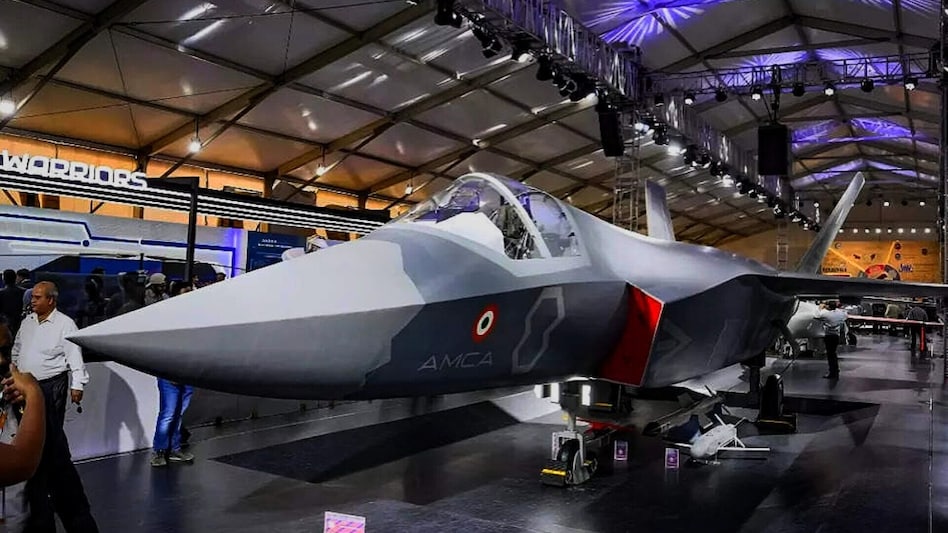
 The Advanced Medium Combat Aircraft (AMCA) is India’s flagship programme to develop an indigenous single-seat, twin-engine, 5th-generation stealth multirole fighter jet.
 In a major development for India’s defence and aerospace ecosystem, Reliance Industries Limited (Reliance) and global engineering leader Rolls-Royce announced their strategic intent on August 14, 2026, to partner and offer capabilities for the design, development, manufacturing, and delivery of a sovereign indigenous combat engine for India’s Advanced Medium Combat Aircraft (AMCA) programme.
As part of the proposed partnership, the two entities will explore the establishment of a dedicated Aerospace Gas Turbine Complex. This facility is envisioned as a centre of excellence for power and propulsion technology within India.

 'Volatile Trump may misinterpret it': Ex-diplomat on whether BRICS is becoming anti-West
 India cannot become $30 tn economy without US, China, Europe: Amitabh Kant on New Delhi's BRICS challenge
 Bahrain Court rejects claims by investors in Credit Suisse AT1 bonds case against HDFC Bank
 It's official: Xi Jinping will attend BRICS Summit in New Delhi
  Insolvency regulator sounds alarm over misuse of bankruptcy law; tells professionals to dig deeper
 ‘Biggest Drawback For Investors’: Sachin Ahuja Flags India’s Slow Justice System
 BRICS Has Talked Enough. Now It’s Time For Action: Kalpana Ajayan
 Amitabh Kant On India’s BRICS Challenge: Why Consensus And Multi-Alignment Matter Now
 One BRICS Network, Seamless Trade: Rahul Mithal On India’s Digital Corridor Push
 Nandan Nilekani On Finternet, Tokenisation And The Future Of India’s Digital Asset Economy
 Closing Auction Session here to stay, says Sebi chairman Pandey
 Power stocks: Nuvama picks ACME Solar, NTPC, Power Grid; check target prices
 FII outflows, market correction: Client Associates’ Himanshu Kohli on where investors should put their money now
 MSCI India rebalancing went well under CAS, says SEBI chief: Report
 HFCL share price: Why recent rally is a red flag; analyst says this on fresh entry‘Biggest Drawback For Investors’: Sachin Ahuja Flags India’s Slow Justice SystemBRICS Has Talked Enough. Now It’s Time For Action: Kalpana AjayanAmitabh Kant On India’s BRICS Challenge: Why Consensus And Multi-Alignment Matter NowOne BRICS Network, Seamless Trade: Rahul Mithal On India’s Digital Corridor PushNandan Nilekani On Finternet, Tokenisation And The Future Of India’s Digital Asset Economy












