


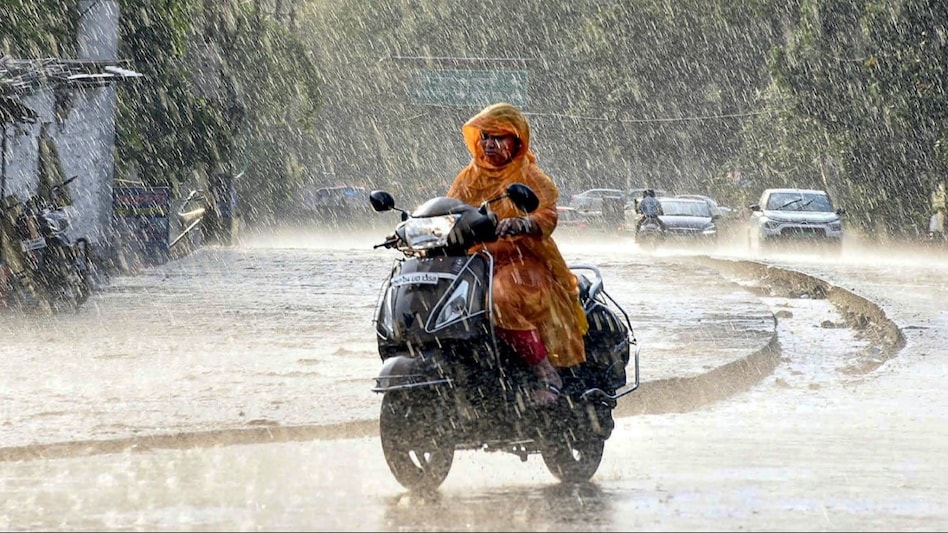
 Below-normal monsoon rainfall predicted in northeast India, normal in northwest, and above normal in central and south peninsular India, IMD said.
 India's core monsoon zone covering most of the rain-fed agriculture areas in the country are predicted to receive above-normal rainfall this season.

 State finances are turning into a matter of concern. Here’s why
 GE HealthCare targets 2X+ exports from India by 2030
 Hisar to Sohna-Palwal: Haryana approves ₹9,700 crore for five major bypass projects
 ‘No amount of US pressure should justify recklessness’: Sam Altman backs 'slow' frontier AI pace
 NSE IPO: Nithin Kamath recalls how NSE supported Zerodha in its early years
 Amit Shah Hails India’s Rise From Fragile Five To Top Five, Politics Of Performance Since 2014
 MEA Details BRICS Summit Outcomes as India Pushes Practical and People-Centric Cooperation
 Modi@25: Amit Shah Highlights 25 Years Of Leadership, Governance And 2047 Vision
 “Development And Environment Are Complementary”: PM Modi On Sustainability At BRICS
 Modi@25: Amit Shah Announces Seva Sankalp Campaign From Sept 17 To Mark Modi’s 25 Years Of Service
 NSE IPO: Nithin Kamath recalls how NSE supported Zerodha in its early years
 Tata Sons listing: Tata Steel, TMPV, Tata Chemicals among stocks that could benefit; here's why
 KEC International wins new orders worth Rs 1,303 crore across T&D, cables businesses
 NSE IPO: Key highlights and risk factors for Rs 22,569-crore share sale by brokerage
  SoftBank shares tumble 13% as OpenAI, Anthropic raise AI safety alarm
 Zomato adds a new charge for cash payments: Here's what customers choosing COD need to know
 Why India's quick-commerce sector's focus has shifted from scale to profitability
 Why there are clear signs of a reset in India's quick-commerce sectorState finances are turning into a matter of concern. Here’s why
 iOS 27 update will be rolling out today: Check release time in India, eligible iPhones and download steps












