

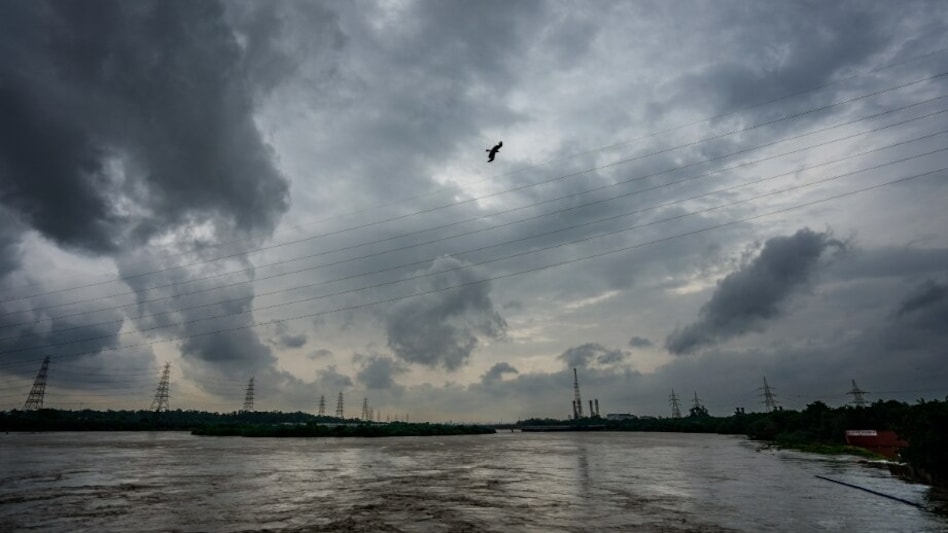
 The southwest monsoon is critical for India’s economy, especially the farm sector.
As large parts of India continue to reel under intense summer heat, attention is now shifting to the arrival of the southwest monsoon — the weather system that delivers nearly 70% of the country’s annual rainfall and plays a crucial role in agriculture, water supply and power demand.
According to the India Meteorological Department (IMD), the southwest monsoon is expected to reach the Kerala coast around its normal onset date in early June, even as some global weather models hint at a slightly early arrival this year.
 BT Big Story: India wants to become a shipbuilding power. Can it match China, Japan & South Korea?
 Bandhan Bank shares: 2 reasons why the stock is in focus today
 Ola Electric, Aegis Logistics shares in focus ahead of fundraising meetings
 LPU riots: Regular classes suspended for 10 days, midterms postponed amid violent protests
 Iran completes Chabahar-Zahedan rail line, unlocking India’s trade route to Central Asia
  R Veeramani Case: Granite Tycoon Faces Widening POCSO Probe In Chennai
 Gen Z And Money: Why Young Investors Want Quick Returns Over Long-Term Wealth Creation
 How Is Alexa+ Different? Will It have Ads Even If You Pay? Exclusive Chat
 Demand Robust Across Segments | Production To Ramp Up, Exports To Expand: Vivek Srivatsa
 GST Council To Meet On October 7: Invoice Matching, ITC & UPI MDR Tax In Focus
 Cupid, Baazar Style shares in focus on warrant conversion; key details
 GIFT Nifty down 81 points; Clean Max, SAIL, Aequs, Signatureglobal, PCJ among top stocks in focusBandhan Bank shares: 2 reasons why the stock is in focus todayOla Electric, Aegis Logistics shares in focus ahead of fundraising meetings
 IPO rush: Four IPOs conclude today; check subscription status, other details of issues still openCupid, Baazar Style shares in focus on warrant conversion; key details
 Pakistan fires anti-ship missile from China-built Hangor submarine in Arabian Sea. What it means for IndiaGIFT Nifty down 81 points; Clean Max, SAIL, Aequs, Signatureglobal, PCJ among top stocks in focusBandhan Bank shares: 2 reasons why the stock is in focus todayLPU riots: Regular classes suspended for 10 days, midterms postponed amid violent protests












