


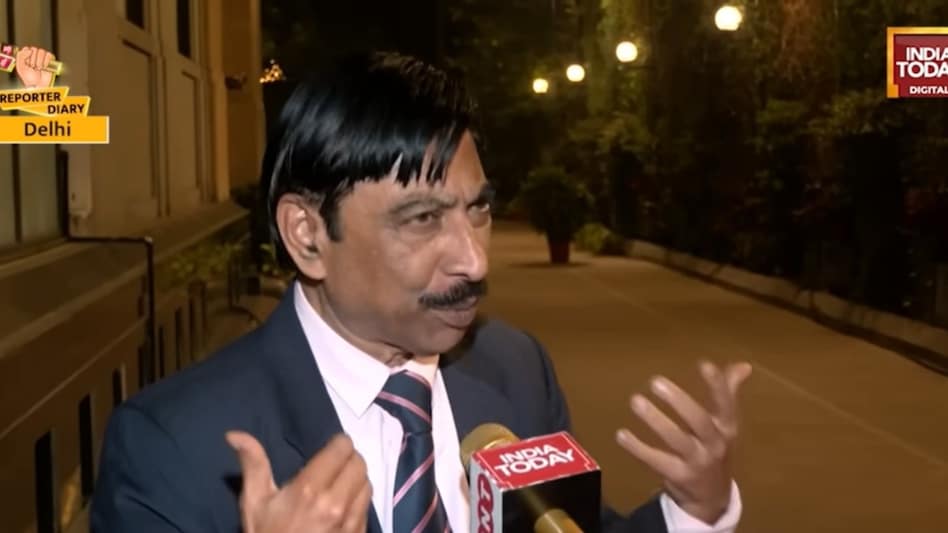
 KK Muhammed, the former regional director of the Archaeological Survey of India (ASI)
KK Muhammed, the former regional director of the Archaeological Survey of India (ASI), has said that Muslims should willingly hand over Mathura and Gyanvapi to Hindus as the Ram Janmabhoomi matter is done and dusted. He also urged Hindus to avoid making more demands as this would only create more problems.
In an interview with India Today, he said that Mathura and Gyanvapi are two other places apart from Ram Janmabhoomi that are "as important for the Hindu community as Mecca and Medina are for Muslims."

 Google wants to build AI data centres in space: What Project Suncatcher's satellite test means
 Cabinet set to clear revamped Bilateral Investment Treaty as India woos foreign capital
 ‘We’re not going to let you...’: JD Vance issues fresh H-1B warning to US companies
 Tata Sons boardroom tussle: The 4 clauses in AoA that could decide who runs the conglomerate
 Five-day banking week never up for negotiation, say govt sources
 OpenAI Agent Hacked Australian Healthcare Portal As UN Security Council Debates AI Risks
 Why Are Cancer Drugs So Expensive? India Today Checks MRP, PTR & Patient Costs
 India-U.S. Trade Deal Nears Clarity: What It Means For Export-Oriented Sectors
 IRDAI Proposals: What’s Ahead For Insurance, Banking Stocks & PB Fintech?
  Tata Boardroom Tussle: Tata Sons Rejects Noel Tata’s Objections To N Chandrasekaran’s Reappointment
 IPO Rush: 10 issues open for subscription today; check price band, subscription status and key risks
 Dixon Technologies may end FY27 with volumes of 38-40 mn smartphones as Vivo ramp-up nears: Report
  Pearl Global shares rise 6% on receiving 'Buy' rating post analyst meet; target price
  Dabur India: NCLT approves Sesa Care merger; check stock reaction
 Infosys derating: Indian fund managers treating IT stocks as reverse AI trade, says GREED & fearIPO Rush: 10 issues open for subscription today; check price band, subscription status and key risks
 Insurance distribution under IRDAI lens: Why certified advisers can help consumers choose wisely
  Your Face Could Make Money While You Sleep? China’s AI Face-Licensing Boom
 DRDO’s 30kW Laser Weapon Takes Aim At Drone Swarms, Targets Up To 5 KmDixon Technologies may end FY27 with volumes of 38-40 mn smartphones as Vivo ramp-up nears: Report












