


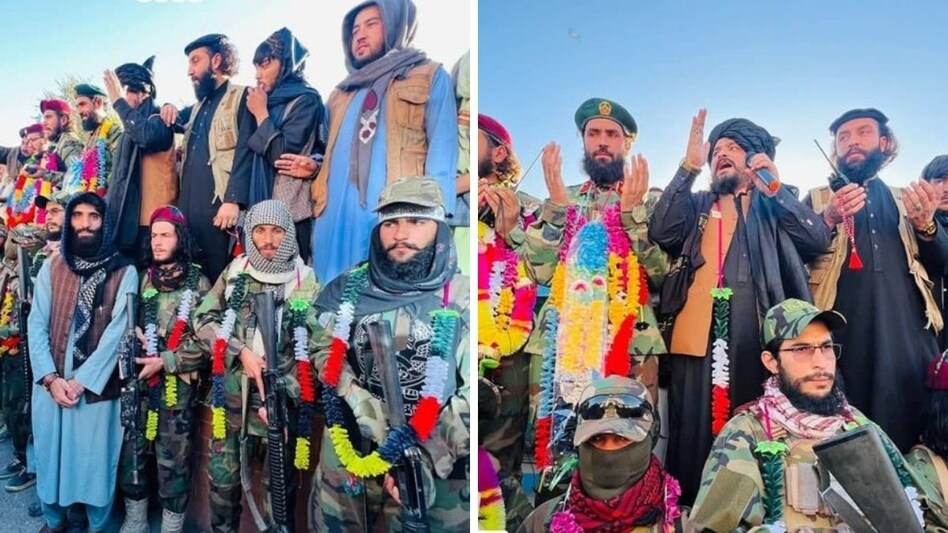
 Over the weekend, Kabul authorities claimed to have attacked Pakistani military positions, resulting in 58 Pakistani soldiers killed after what they described as repeated territorial breaches.
 A temporary ceasefire has been reached between Pakistan and Afghanistan after a period of intense clashes and mutual recriminations. Pakistan's Defence Minister Khawaja Asif, however, expressed doubts about the ceasefire’s durability, stating, "I have my doubts that the ceasefire will hold, because the (Afghan) Taliban are being sponsored by Delhi."
The ceasefire, which started on Wednesday at 13:00 GMT, follows reports of Pakistani airstrikes in Kandahar and Kabul. Both countries accuse each other of having initiated the ceasefire request as tensions rose after deadly incidents.

 Tata Capital roadmap: 100% micro-housing growth, 500 gold loan branches and more
  ITR filing 2026: Confused by the 'reason for filing ITR' question? Here's what taxpayers need to know
 'Hindu daughters not entitled if...': Madras HC's key ruling on ancestral property rights
 Your UPI payments could soon be more private; NPCI plans to mask phone numbers on UPI apps
 'Show proof, or you will have to apologise': Rijiju challenges Rahul Gandhi over Amit Shah remark
 Manipal Health IPO Review: Should Investors Apply For Long-Term Growth Or Avoid It?
 Trump And Netanyahu Meet In Washington As Iran Differences Surface At White House
 Pentagon Alters Iran War Casualty Toll As U.S. Troop Losses Spark Massive Storm In Washington
 HUL Share Price Outlook: Brokerages Turn Bullish After Earnings | FMCG Stock Analysis
 I.T. Stocks Rally 16% In July: Is The Biggest Comeback Still Left Or Will Profit Booking Begin?
 Indian Bank share price: Fresh highs or sharp correction? What are key levels for it
 Q1 earnings 'ahead of outlook': KPIT Technologies shares gain most in 1.5 years, rise 10%
  ITC Hotels investors stuck? Here's what a market expert recommends - Key levels
 Asian Paints Q1 results: Profit jumps 40% to Rs 1,539 crore; revenue rises 18%; shares rise
 Avoid averaging Adani Green, wait for lower levels in Adani Power: Anshul Jain'Show proof, or you will have to apologise': Rijiju challenges Rahul Gandhi over Amit Shah remarkITR filing 2026: Confused by the 'reason for filing ITR' question? Here's what taxpayers need to know
 'Spider-Man: Brand New Day' advance booking: Tom Holland's actioner sells 4 lakh tickets; may beat 'Avengers: Infinity War', 'Spider-Man: No Way Home'
 Google launches Gemini Spark in India with Agentic capabilities across apps: All detailsIndian Bank share price: Fresh highs or sharp correction? What are key levels for it










