


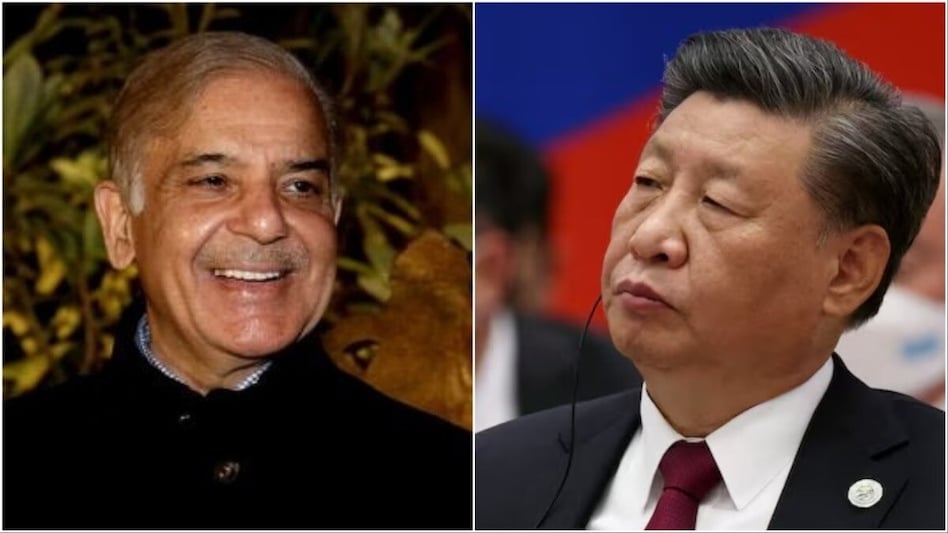
 Amid new China-Pakistan bloc talk, ex-envoy wonders: ‘Will it work with U.S. ties?’
As Pakistan and China explore the formation of a new regional bloc to replace the defunct South Asian Association for Regional Cooperation (SAARC), Husain Haqqani, former Pakistani ambassador to the US, has questioned how this move aligns with Islamabad's renewed outreach to Washington.
"How will this play with the new cozying up to the US? Will it work?" Haqqani asked on Tuesday, reacting to reports that Pakistan, China, and Bangladesh had met in China's Kunming on June 19 to discuss forming a new grouping aimed at regional integration.

 Subhash Chandra debt: NCLT stays previous order against media baron, issues notices to him and lenders in ₹6.5 crore repayment case
 Adani Group shares: Rs 1.4 lakh crore wiped out as MSCI rebalancing triggers sharp volatility
 Fresh round of layoffs coming at Oracle? Around 10K employees, Indians may be hit: Report
 'Don't take foreign trips, avoid gold purchases': From Bishkek, PM Modi reiterates 'swadeshi' call
 Why John Ternus? Inside Apple's logic for picking its next CEO
 U.S. AI Boom: Why Global Money Keeps Flowing Into America & What It Means For India
 Strong GDP Growth: Is An RBI Rate Hike Now On The Cards? Top Economists Answer
 Indian Markets Outlook: Is Bear Phase Ending? Maneesh Dangi Sees Better Next 6-12 Months
 This ₹5 Lakh AI Gym Wants To Replace Your Gym
 Nepal Flood Horror: Sadhguru, Manisha Koirala Stand In Solidarity As Rescue Efforts Continue
 Nippon AMC shares: MOFSL retains 'Buy', sets Rs 1,380 target; key reasons
 Lumino Industries IPO: Ways to check application status; allotment odds, GMP, listing date
 Adani Power shares set to breach record high; here's why
  RIL-backed Alok Industries shares hit fresh 52-week low; stock tumbles 53% in a year
 Infosys, Mphasis, Persistent, LTM, TechM: Top 5 IT stock picks, target pricesNippon AMC shares: MOFSL retains 'Buy', sets Rs 1,380 target; key reasons'Don't take foreign trips, avoid gold purchases': From Bishkek, PM Modi reiterates 'swadeshi' call
 Vivo X500 Pro Max shows huge camera island, rotating ring and 200MP telephoto camera ahead of launchU.S. AI Boom: Why Global Money Keeps Flowing Into America & What It Means For India
 With 250 MBBS Seats and a First-of-its-Kind Accreditation, Graphic Era Institute of Medical Sciences Comes of Age












