


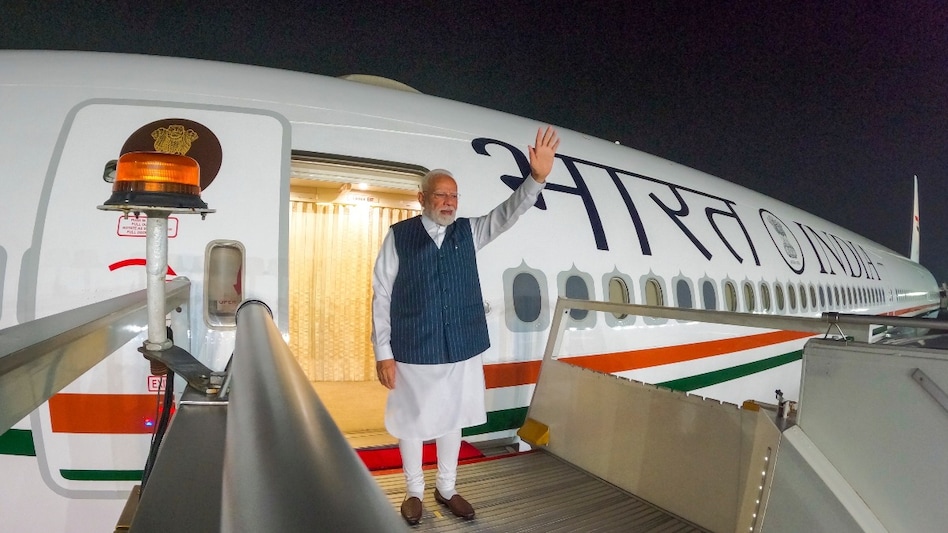
 PM Modi outlines vision for stronger India-Japan relations during Tokyo visit
Prime Minister Narendra Modi’s recent address in Japan marked a new chapter in the India-Japan relationship, as he engaged with key stakeholders in the India-Japan Joint Economic Forum in Tokyo.
PM Modi’s speech, delivered upon his first standalone visit to Japan in nearly seven years, emphasised India’s evolving role on the global stage and its readiness to further strengthen ties with Japan. The visit highlighted the growing economic, technological, and cultural ties between the two nations, building on decades of diplomatic engagement.

 Tim Cook leaves a trillion-dollar machine. John Ternus must build Apple’s next growth story
 HDFC Bank CEO exit: How share price may react to Sashidhar Jagdishan's decision
 Popular forest trail becomes burial site: Nepal begins mass burials of unidentified victims
  West Asia tensions: Oil prices up 1% following US strike on Iranian launch sites in Hormuz
  PM Modi, Xi Jinping, Vladimir Putin to meet in Bishkek at the SCO Summit: Trade, regional security, West Asia war on agenda
 FD Or Debt Fund: Which Can Offer Better Returns, Tax Benefits & Liquidity?
 Why Meta Could Be Fined $1.4 Trillion! Instagram-Facebook Could Change Forever
 Gold Price Outlook: Can Festive & Wedding Demand Push Prices Higher In India?
 Gold Price Rally: Why Gold Surged 16% In August; Key Triggers Behind The Comeback
 Gold Vs Silver Vs Sensex Since 2005: Which Investment Delivered Better Returns?
 Defence stock: Multibagger with 2,100% returns in focus today; here's why
  HDFC Bank CEO: Internal or external candidate, which option will largest private lender pick?
 HDFC Bank shares: Market bets on next MD and CEO; Bharucha, Jimmy Tata, Hitendra DaveHDFC Bank CEO exit: How share price may react to Sashidhar Jagdishan's decision
 Suzlon, BHEL, Waaree Energies: Top stocks to trade — Check key levels, target prices & stop loss
 'Kharg Island being blown to...': Strait of Hormuz tensions surge as Trump threatens IranDefence stock: Multibagger with 2,100% returns in focus today; here's why HDFC Bank CEO: Internal or external candidate, which option will largest private lender pick?
 Saudi oil shipments hit a 2026 low: Why the kingdom’s escape routes are running out of roomPM Modi, Xi Jinping, Vladimir Putin to meet in Bishkek at the SCO Summit: Trade, regional security, West Asia war on agenda












