


 Premium vs normal petrol: what’s driving the price gap as crude tops $100
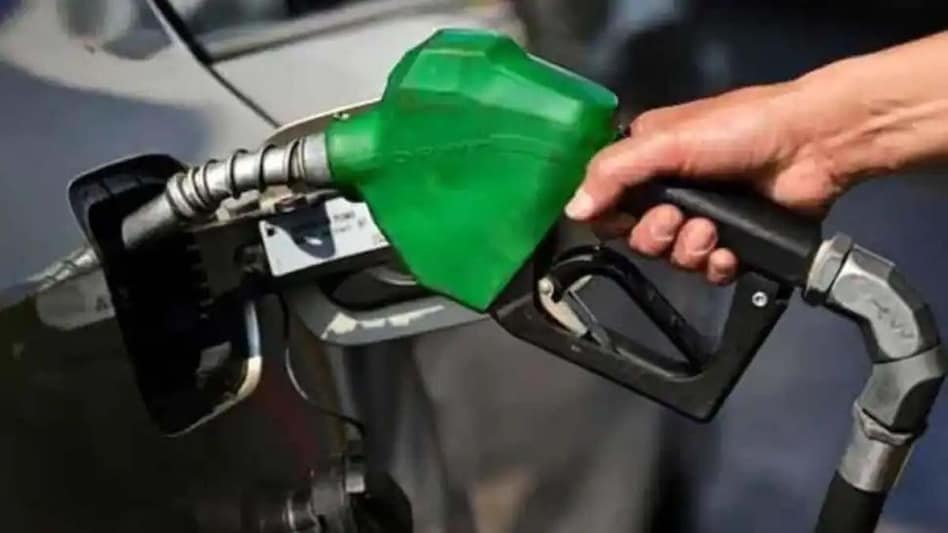
Premium petrol has become costlier by up to Rs 2–2.3 per litre across select cities, even as regular petrol and diesel prices remain unchanged, sharpening the difference between the two fuel types for consumers.
The increase applies to high-octane fuels such as Indian Oil’s XP95 and Hindustan Petroleum’s Power petrol. Dealer inputs suggest the revised prices came into effect from today, with XP95 now retailing at around Rs 101.80 per litre at some outlets. HPCL’s premium petrol has also seen a similar hike.
In contrast, regular petrol prices have stayed stable across major cities, including Delhi, Mumbai, Bengaluru, Hyderabad and Chennai.
The hike comes as global crude prices remain elevated. Brent crude is trading above $100 per barrel amid escalating tensions in West Asia and concerns over supply disruptions. Higher crude prices increase input costs for oil marketing companies such as Indian Oil, HPCL and BPCL, which often reflect faster in premium fuel pricing.
Premium vs normal petrol: what's the difference?
Premium petrol is a higher-octane fuel designed for better engine performance. It burns more efficiently, reduces engine knocking and typically includes additives that help keep engines cleaner over time. These fuels are often recommended for high-performance or high-compression engines.
Normal petrol, by contrast, has a lower octane rating and is suitable for most everyday vehicles. It meets standard engine requirements and is more affordable, making it the default choice for most consumers.
Why prices differ
Premium fuels are positioned as value-added products and are priced separately from regular petrol. Oil companies tend to adjust these prices more flexibly, as demand is relatively niche and less price-sensitive than mass-market fuel.
Regular petrol prices, on the other hand, often remain more stable in the short term, especially in periods of global volatility or domestic sensitivity.
With crude prices staying firm above $100, the price gap between premium and normal petrol is likely to remain in focus, particularly for consumers deciding whether the added performance benefits justify the higher cost.

 Who is Pralhad Joshi? Modi names veteran Karnataka BJP leader to lead Education Ministry after Pradhan's exit
 Third round of talks: CJP ends 49-day-long protest, says govt accepted 'key demands'
 Dharmendra Pradhan resigns, says decision taken to protect students' future amid NEET row
 All about Dharmendra Pradhan's educational qualification, wealth, assets and more
 India's first REIT mutual fund is here. Can it change how Indians invest in real estate?
  FDs vs Markets: Where Should You Keep Your Short-Term Money?
 Why Term Insurance Is Essential for Every Earning Member | Sum Assured & Coverage Explained
 Pakistan's Alleged Terror-Politics Nexus: Lashkar Links Spark Questions Over Fazlur Rehman
 Think Life Insurance Is Optional? Here's Why Every Indian Family Needs It Today
 FD Vs Arbitrage Fund: Which Is Better For High Taxpayers?
 Adani Power: 45 GW target, Rs 2 lakh crore capex plan among conference call highlights
  ITC Hotels, Chalet, Ventive, IHCL, SAMHI: Hotel stocks to buy despite travel disruptions
 ITC shares: Rs 307 a key short-term level to watch; here's target price
 Mphasis shares: FY27 guidance maintained; brokerages keep 'Buy' after Q1; check target price
 Should you buy every IPO? Research suggests patience may be the smarter strategy
 China's gold rush: June imports hit highest level since March 2024. Why it matters
 Corporate FDs offer up to 9.1% interest: Should you choose them over bank fixed deposits?
 The 'Two-Income Trap': Why higher salaries aren't translating into wealth -- expert explains
 India gives Gen Z the world's biggest tax-free head start. Here's why that's a big deal
  Gurugram getting too expensive? These Haryana cities are attracting builders—and could boost your returns









