


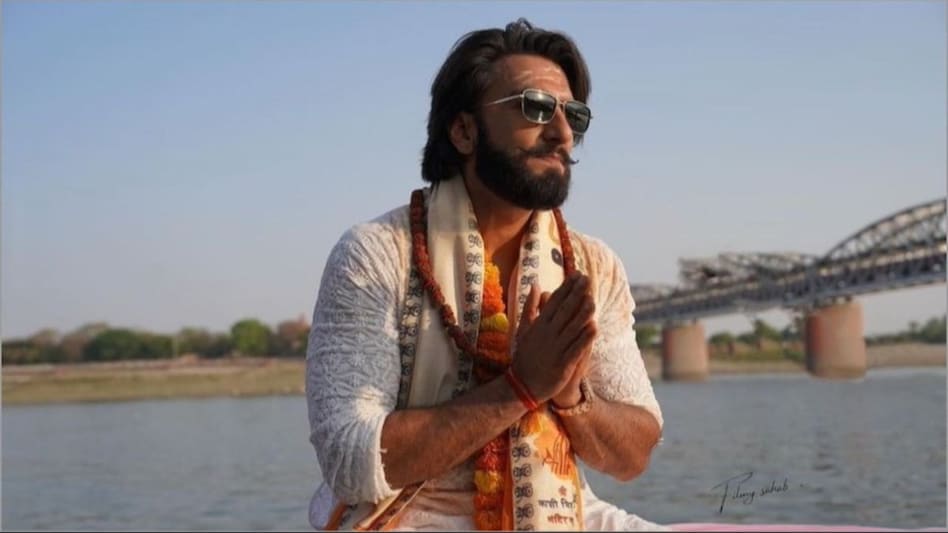
 The video, an interview given by Ranveer Singh to the news agency ANI during his visit to Varanasi, is authentic.
Bollywood actor Ranveer Singh has filed a police complaint with the Mumbai Cyber Crime Cell against a deepfake video that has been circulating widely on social media platforms. The video, which appears highly realistic, features Singh purportedly voicing strong political opinions.
Singh, known for his flamboyant on-screen persona and aversion to public controversy, has condemned the video as "a complete fabrication." In a statement released through his legal team, Singh said, “Yes, we have filed the police complaint and an FIR has been lodged against the handle that was promoting the AI-generated deepfake video of Ranveer Singh.”

 Historic! Home loans in India are now cheaper than the US -- What NRIs must know
 India-US trade deal '90-per cent-plus there,' says senior US official ahead of key visits
 Trump rejects Iran’s 7-day truce proposal, signals post-midterm strike timeline: Report
 RBI changes bulk FD rules from October 1: What depositors and banks need to know
 BlackRock sees AI agents creating a new economy for stablecoins, blockchain and compute
 How Is Alexa+ Different? Will It have Ads Even If You Pay? Exclusive Chat
 Demand Robust Across Segments | Production To Ramp Up, Exports To Expand: Vivek Srivatsa
 GST Council To Meet On October 7: Invoice Matching, ITC & UPI MDR Tax In Focus
 Tata Chip Plans Stay On Track Despite Boardroom Rift; Dholera Fab Investment Unaffected
 GLP-1 Drugs Face Eye Safety Concerns: Will Fresh Scrutiny Impact India's Growing Market?
 IPO rush: Four IPOs conclude today; check subscription status, other details of issues still open
 Meesho shares slip 7% as Nomura assigns 'reduce' call; here's what the brokerage says
  Sensex, Nifty extend losing streak to seventh week, longest since 2020: What's next?
 Suzlon in bear grip: Oversold signals emerge near 52-week low for the stock
  EIL shares jump 7% to hit record high; stock up nearly 62% in six months: What's driving the rise?
 LPG, CNG, PNG prices today (September 26): Check latest rates in Delhi, Mumbai, Kolkata, other citiesIndia-US trade deal '90-per cent-plus there,' says senior US official ahead of key visits
 Petrol, diesel prices today (September 26): Check latest rates in Delhi, Mumbai, Chennai, Kolkata & moreTrump rejects Iran’s 7-day truce proposal, signals post-midterm strike timeline: Report
 Global tourism enters a digital era: WEF highlights role of online payments, technology, AI












