


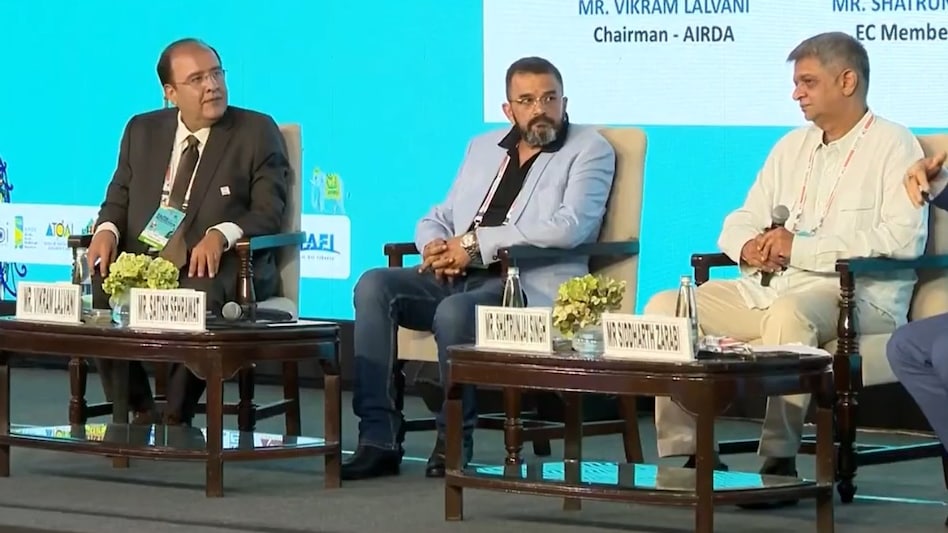
 (From left) Vikram Lalvani, Chairman of AIRDA, Satish Sehrawat, President of ITTA and Shatunjai Singh, EC Member of IHHA in a panel discussion at India Today’s FAITH Tourism Conclave 2026.
 India's tourism industry must move beyond creating destinations and focus on delivering a seamless travel experience if the country wants to emerge as a globally competitive tourism hub, industry leaders said at India Today’s FAITH Tourism Conclave 2026.
Participating in a panel discussion on "Seamless Tourism", the panel members and association presidents said India possesses world-class tourism assets but continues to lag in attracting international visitors due to policy bottlenecks, seasonality and gaps in the overall travel ecosystem.

 RBI raises repo rate after nearly 4 years: Are more hikes coming? Here’s what economists say
 GST cuts insurance tax rates in 2025: A year on, consumers still await the full benefit in premiums
 Elon Musk says Starlink blocked by 'oligarchs' in India: 'You can guess who they are'
 Sensex, Nifty recovery attempt falters after RBI rate hike; is further caution warranted?
 RBI clears the air on new forex reporting rules: Framework does not apply to individuals
 Kotak Securities Rebrands Retail Business As Kotak Neo, Bets On Tech And New-Age Investors
 This Week In Cinema: Bokshi, Dongri, Other Mommy And More Hit Theatres This Week
 BT Golf Celebrates 27 Years Of Excellence With New Edition Coming Soon
 Amazon Demand From Tier 2, 3 Cities Ahead Of Great Indian Festival
 RBI Rate Hike Explained: Higher EMIs, Costlier Loans? What It Means For Your Money
 Nithin Kamath: ‘IPOs are a full-on party’ as 67% of recent listings trade above issue price despite market slump
 MobiKwik shares zoom 30% in three days; what analysts say on next move?
 Sebi asks Jane Street to respond after sharing trade data in market manipulation case: Report
 Shriram Finance, other housing finance stocks look attractive post RBI rate hike: ExpertSensex, Nifty recovery attempt falters after RBI rate hike; is further caution warranted?
 Gulf war repair bill cut to $40 billion from $58 billion: Rystad Energy
 Salary runs out before payday? These 9 money-saving tricks helped this 28-year-old woman save ₹6.35 lakh a year
 Financial Horoscope Today, October 8, 2026: Leo Signs Will See Increased Status and Position, Know the Condition of All Signs
 iPhone 18 Pro price around the world: India at ₹1.65 lakh, Türkiye tops the list
  New Zealand changes parent resident visa rules: What Indians need to know about new 90:10 EOI rules












