


 The proposal has also turned industry attention to which companies are better placed to absorb higher costs if the duties are eventually implemented.
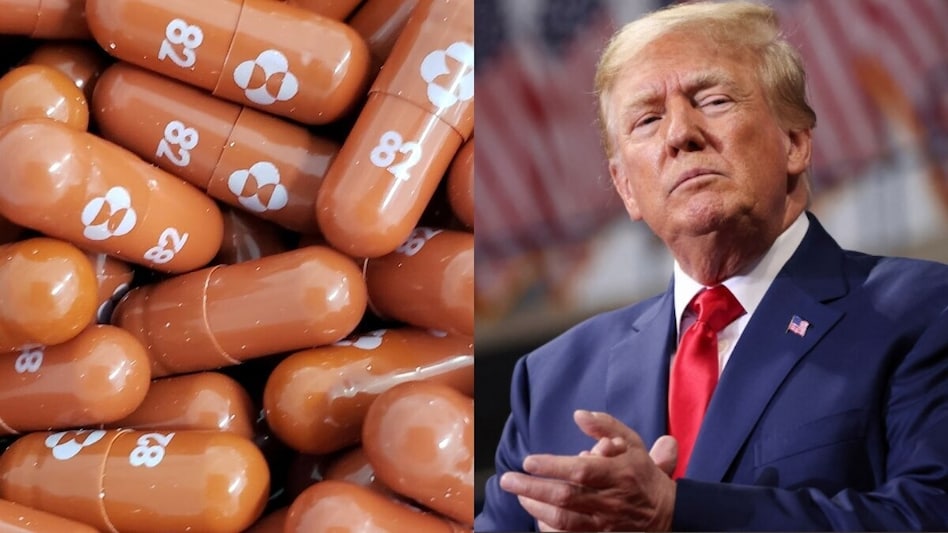
Days after US President Donald Trump proposed steep tariffs on imported generic medicines, Indian drugmakers and analysts say companies are unlikely to rush manufacturing to the US. Instead, they are expected to review product portfolios, expand capacity selectively and step up efforts to diversify exports.
Under Trump's proposal, imported generic medicines will continue to face zero tariffs for two years beginning August 1, 2026. From August 1, 2028, imports would face a 100% tariff for one year, with the rate rising to 200% from August 1, 2029. Trump said the move is aimed at encouraging pharmaceutical companies to manufacture generic medicines in the US, although details of how the policy will be implemented are yet to be announced.

 India's $30 trillion goal needs 8-10% growth, $400 billion more annual investment: Jayant Sinha
 BT India@100: ‘India has not lost the AI race,’ says Amitabh Kant, highlights the country’s biggest advantage
 Will Tukaram Mundhe enter politics? Here's what the Maharashtra FDA commissioner said
 Deepinder Goyal’s Temple gets a major redesign, shrinks to 'less than half the size'
 Bitcoin price today: Rs 16 lakh gain just in a week! What led to a sharp rally in crypto market?
 #IndiaAt100 | Building The Cities Of Tomorrow: How Will India Urbanise By 2047?
 #IndiaAt100 | The New Bureaucrat India’s Food Needs: Who Will Keep Food Safe?
 #IndiaAt100 | Amitabh Kant On The Future Of ‘Make In India’: Can India Become A Global Factory?
 #IndiaAt100 | Manufacturing Jobs In The AI Age: What Will The Future Workforce Look Like?
 #IndiaAt100 | Manufacturing: The Engine That Could Power India’s 2047 ‘Viksit Bharat’ Dream
 Puravankara shares rise 5% on fresh order win
  20 high-conviction ideas for up to 95% upside | stocks to buy
  Sensex CAS manipulation: Thin liquidity exposes vulnerability; what's ahead?
  Renewable stock to buy: Recent debutant in bear grip after multibagger rise; Ventura sees 55% rally
 STT now accounts for 27% of retail derivatives costs, up from 13% in FY22#IndiaAt100 | Building The Cities Of Tomorrow: How Will India Urbanise By 2047?
 ‘If we can’t import freely, we can’t export freely’: Jayant Sinha on India’s trade barriersPuravankara shares rise 5% on fresh order win #IndiaAt100 | The New Bureaucrat India’s Food Needs: Who Will Keep Food Safe?India's $30 trillion goal needs 8-10% growth, $400 billion more annual investment: Jayant Sinha












