


 India's crude import basket today is far more resilient than it was a few years ago, and there has been oil import diversification in the past few years.
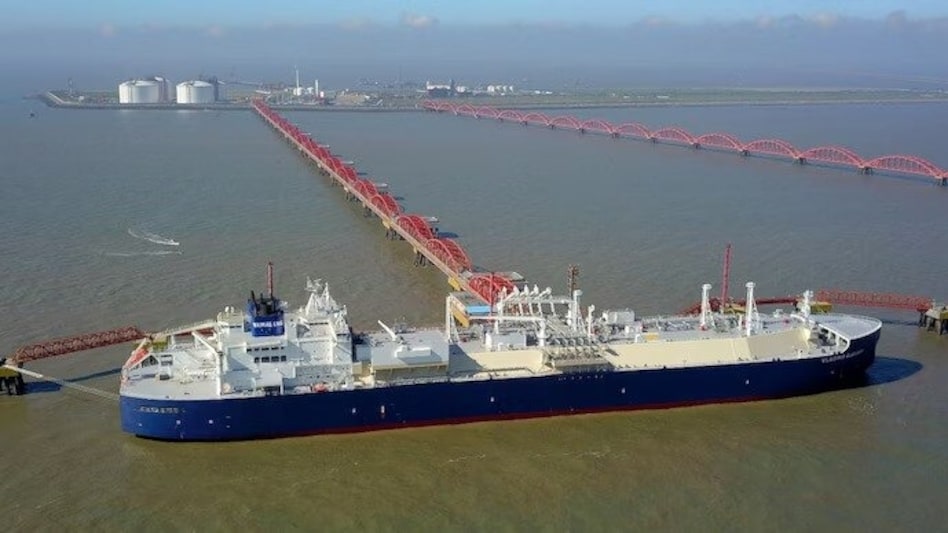
Indian markets should be more concerned about the LNG and LPG supplies compared to crude availability amidst the recent exchange of fire between the US and Iran near the Strait of Hormuz, say experts.
US President Trump's comments on a ceasefire have once again raised concerns over the security of the Strait of Hormuz.

 Noel Tata raises key Tata Sons listing concern: What if a group company gets into trouble?
 Shaktikanta Das flags need to cut India's oil import dependence, cites Rs 84,000-crore offshore push
 A prolonged West Asia conflict will increase risks to corporate earnings, says Nomura's Saion Mukherjee
  No social media for under 18s? Centre mulls new safeguards after SC raises concern
 Reliance, Nayara restrict fuel sales as crude hits $107 and retail prices stay frozen: Report
 SEMICON India 2026: Global Chip Giants Announce Major India Investment Plans
 Ep17: How Mira Kapoor Is Building India’s Luxury Wellness Brand | Building A $4 Mn Wellness Business
 PROMO | 27 Years Of BT Golf | BT Golf 2026-27 Tees Off On 19 October 2026
 Supreme Court Questions High Medicine Prices At Corporate Hospitals | Essential Drugs Pricing
 India Seeks Alternate Air Routes Via China, Bhutan To Cut Airline Costs | Pakistan Airspace Ban
 Nilesh Shah on FOMO: Why investors should stop chasing ‘once-in-a-lifetime’ opportunities
 Indian rupee hits two-month low, ends nearly flat below 96 per US dollar
 Stock picks during correction: Coal India, Sona BLW, Blue Star form part of defensive watchlist, says analyst
 Helios Capital on why falling gold prices are not a trigger for renewed interest in yellow metal
  Prestige Estates stock outlook: Motilal Oswal sees 29% upside on strong launches, check target price
 LNG vs hydrogen trains: How India’s two new fuel technologies are changing rail travel
 LPG Aadhaar authentication deadline: What changes for consumers from October 1?Noel Tata raises key Tata Sons listing concern: What if a group company gets into trouble?SEMICON India 2026: Global Chip Giants Announce Major India Investment Plans
 Tukaram Mundhe gives update on Vimal ad notices to Shah Rukh Khan, Ajay Devgn and Tiger Shroff












