












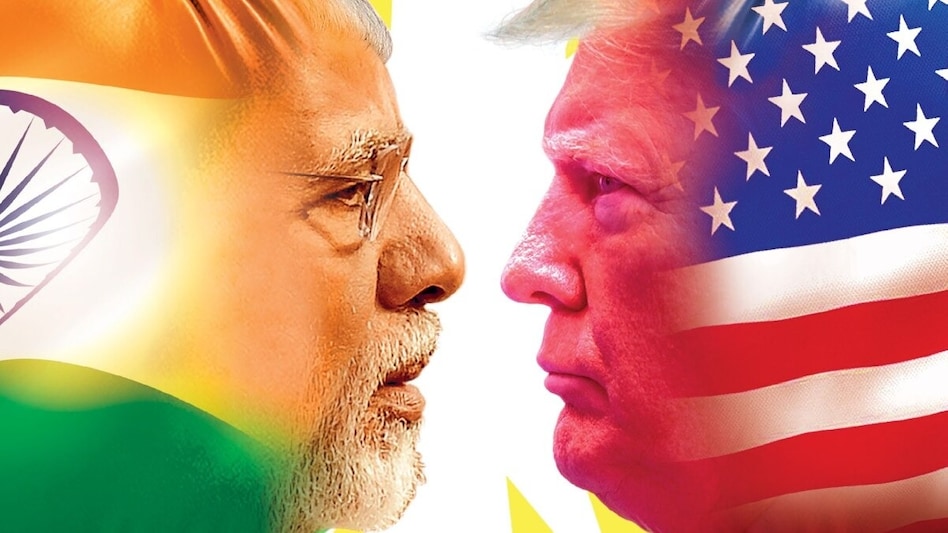
 The US-India partnership is critical to US strategy in the Indo-Pacific.
 The US-India partnership is critical to US strategy in the Indo-Pacific.
A 50 percent tariff on most Indian goods recently went into effect, signaling a major escalation in US-India relations. This move threatens to undo decades of strategic collaboration between the two countries, once seen as vital to balancing China’s growing influence in the Indo-Pacific. According to the Atlantic Council, the Trump administration’s focus on a narrow trade deal and use of coercive tactics has alienated India, misjudging both its economic priorities and its broader strategic interests.
The deterioration of US-India relations didn’t stem from a single policy failure, but rather from a series of miscalculations. The Trump administration, like its predecessors, assumed that India would eventually make significant concessions under trade pressure, similar to Japan and the European Union. However, India has resisted sacrificing core economic and political interests.
The administration’s frustration, particularly after Prime Minister Modi declined to credit President Trump for easing India-Pakistan tensions, led to punitive measures, including targeting India’s energy trade with Russia. The goal was to leverage energy issues for trade concessions, but this tactic has backfired, the US-based think tank pointed out.
Rather than yielding, India has responded by hardening its stance, and domestic backlash has resurfaced, echoing the anti-American sentiment seen in the 1970s. The imposition of tariffs and selective targeting of India — while countries like China continue purchasing Russian energy — has raised questions about the fairness and consistency of US policies. The Atlantic Council highlights that this double standard weakens US credibility and has backfired diplomatically, undermining broader US objectives.
The Limits of Leverage
The Trump administration’s reliance on economic coercion, especially sanctions, assumes that countries like India will bend under pressure. However, India has long prioritised strategic autonomy, resisting alignment with any major power, the think tank added. This resistance has been clear in India’s energy policies, where it depends on Russian oil due to its need for heavy crude to run its massive refineries. If India were to halt Russian oil imports, it would face higher costs and tighter supply from Middle Eastern markets. India’s adherence to the G7 price cap on Russian oil, while increasing imports of US energy, should have factored into the US response. Instead, the administration singled out India, exposing inconsistencies and weakening its own sanctions strategy, as noted by the Atlantic Council.
Undermining a Strategic Pillar
The US-India partnership has been central to US strategy in the Indo-Pacific. India plays a key role in the Quadrilateral Security Dialogue (Quad) and in reducing dependency on China-controlled supply chains for critical minerals. Since the George W. Bush administration, the US has supported India’s rise as a counterweight to China. The friction between the two countries now threatens to push India closer to China, Russia, and other BRICS nations. Such a shift would complicate US efforts to maintain influence in the region and secure critical resources. The Atlantic Council warns that this development could severely undermine US strategic goals in Asia.
A Path Forward
To rebuild the US-India partnership, the US must adopt a more balanced approach. First, the US should suspend or explicitly exempt India from secondary tariffs on Russian oil, especially since India is compliant with the G7 price cap. Any punitive measures should be applied consistently across the board.
Second, the US should revive bilateral trade talks within a broader strategic framework. A new US-India Strategic Dialogue on Trade, Energy, and Technology, co-led by senior officials from both sides, could reframe economic issues in the context of shared long-term goals, such as energy security and supply chain resilience.
Third, reviving the US-India CEO Forum, which was established during the George W. Bush administration, would allow business leaders from both countries to strengthen economic ties and bolster the diplomatic relationship.
Strategic Patience, Not Tactical Pressure
India and the US are not natural adversaries, but they are also not automatic allies. The US must carefully manage its relationship with India, considering the country’s strategic culture and domestic political constraints. If the goal is to secure a reliable partner in Asia, build resilient supply chains, and counter China’s influence, the current approach is unsustainable. The Atlantic Council emphasizes that a strategic reset — based on mutual respect and long-term shared interests — is essential for a durable US-India alliance.
 World Bank sees India growth at 6.6% in FY27, flags inflation risk from energy prices
 Hormuz traffic crawls back, but Iran-linked ships dominate key oil route
 'There will be no exemptions': Trump threatens 50% tariffs on country supplying military weapons to Iran
 $1 per barrel in crypto: Iran's plan to charge ships crossing Strait of Hormuz; How it'll work
 PPFAS AMC gets PFRDA nod to manage NPS funds, expands into retirement segment
 Iran- U.S. Ceasefire Twist: China’s Hidden Role, Pakistan’s Big Slip
 U.S.- Iran Ceasefire Deal: Peace Breakthrough Or Tactical Pause?
 U.S.-Iran Ceasefire Boosts Markets | Sensex Soars, Oil Prices Crash
 “No LPG Shortage In India”: Govt Cracks Down On Black Marketing, Seizes 56,000 Cylinders In Big
 ₹26,000 Cr Kamala Hydro Project Approved | Big Boost For Northeast Power
 Sensex, Nifty outlook for tomorrow: Stock market strategy; resistance, support levels
 DCB Bank shares jump 7%; expert says management has 'HDFC Bank-like pedigree'
 Rs 90,000 crore deployed in markets by mutual funds in March, says Shweta Rajani
 Suzlon, Tata Power, Adani Power, Adani Green, NPTC, Inox Wind: Q4 preview, target prices
 HDFC, ICICI, SBI, Kotak Bank among 23 BFSI stocks to ‘Buy’ - Target prices