


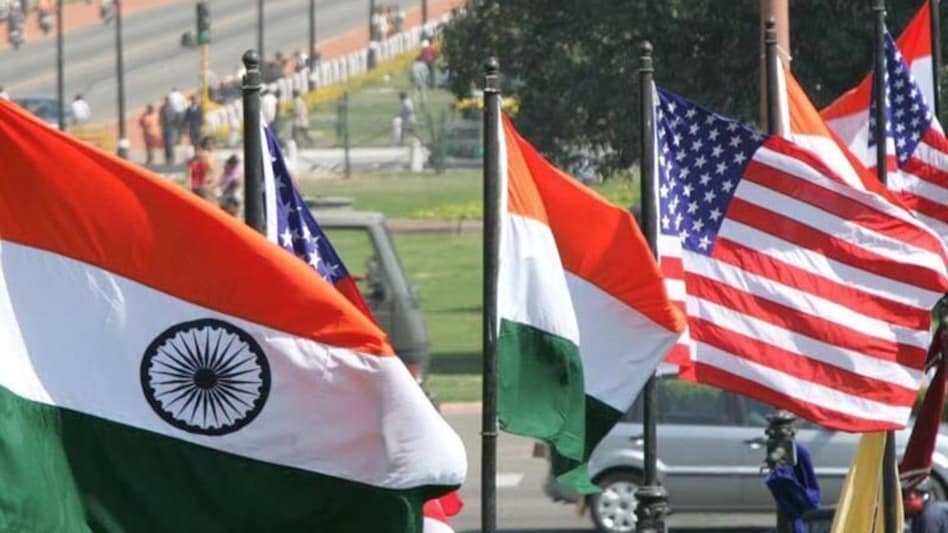
 In 2023-24, the US remained India’s largest trading partner, accounting for $119.71 billion in goods trade.
In a temporary shift from its recent hardline trade stance, the United States has paused additional tariffs on Indian imports for 90 days, offering a vital breather to exporters navigating heightened duties, PTI reported. The decision, formalised via White House executive orders, delays the enforcement of reciprocal tariffs imposed on April 2, when President Donald Trump rolled out sweeping levies on about 60 nations, including India, as part of efforts to reduce the US trade deficit and fortify domestic industries.
India was among the countries hit with a steep 26 percent tariff, higher than rates applied to regional competitors like Thailand, Vietnam, and China. However, the latest order halts enforcement of a specific clause in Executive Order 14257 until July 9, 2025.

 Google wants to build AI data centres in space: What Project Suncatcher's satellite test means
 Cabinet set to clear revamped Bilateral Investment Treaty as India woos foreign capital
 ‘We’re not going to let you...’: JD Vance issues fresh H-1B warning to US companies
 Tata Sons boardroom tussle: The 4 clauses in AoA that could decide who runs the conglomerate
 Five-day banking week never up for negotiation, say govt sources
 OpenAI Agent Hacked Australian Healthcare Portal As UN Security Council Debates AI Risks
 Why Are Cancer Drugs So Expensive? India Today Checks MRP, PTR & Patient Costs
 India-U.S. Trade Deal Nears Clarity: What It Means For Export-Oriented Sectors
 IRDAI Proposals: What’s Ahead For Insurance, Banking Stocks & PB Fintech?
  Tata Boardroom Tussle: Tata Sons Rejects Noel Tata’s Objections To N Chandrasekaran’s Reappointment
 Pearl Global shares rise 6% on receiving 'Buy' rating post analyst meet; target price
  Dabur India: NCLT approves Sesa Care merger; check stock reaction
 Infosys derating: Indian fund managers treating IT stocks as reverse AI trade, says GREED & fear
 Hero Motors, SS Retail, Jindal Supreme shares surge up to 105% in 3 days over IPO prices
 Indegene shares rise 5% as Motilal Oswal upgrades stock; check target pricePearl Global shares rise 6% on receiving 'Buy' rating post analyst meet; target price OpenAI Agent Hacked Australian Healthcare Portal As UN Security Council Debates AI Risks
 SIR woes: Election Commission adds 'Mark VIP' option in BLO App to track high-profile votersWhy Are Cancer Drugs So Expensive? India Today Checks MRP, PTR & Patient CostsIndia-U.S. Trade Deal Nears Clarity: What It Means For Export-Oriented Sectors












