


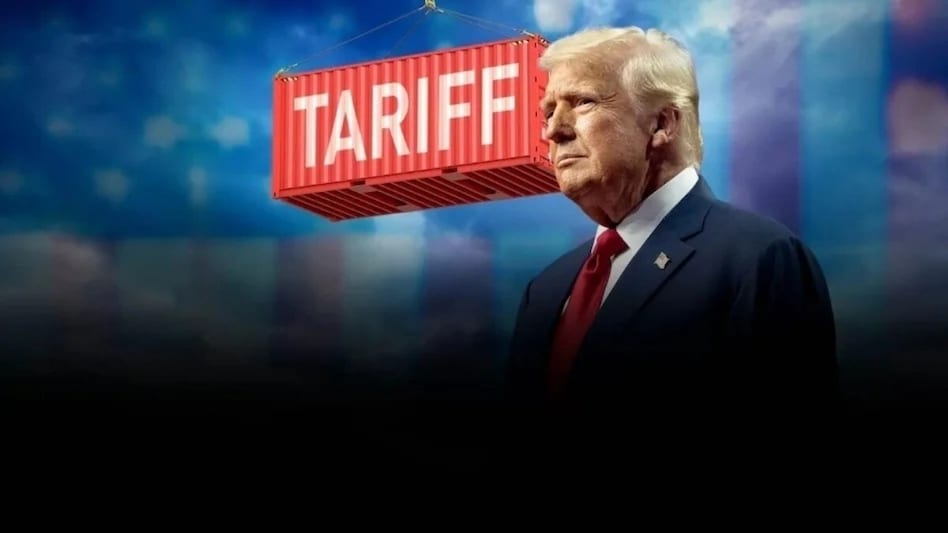
 India must seize the moment to reset regulatory bottlenecks
"US tariffs are not the end of the world. They will hurt, of course. But it is an opportunity to fix some things that we were kicking down the road," wrote Sushant Sareen, senior fellow at the Observer Research Foundation, after President Donald Trump announced sweeping trade penalties on Indian goods.
The White House move, effective August 1, includes a 25% tariff and an unspecified penalty targeting India’s continued defence and energy ties with Russia. "India will therefore be paying a tariff of 25%, plus a penalty for the above, starting on August first," Trump posted Wednesday. He also took aim at India’s longstanding trade policies, calling them 'among the highest in the world" and describing New Delhi’s trade regulations as "strenuous and obnoxious non-monetary trade barriers."

 Noel Tata raises key Tata Sons listing concern: What if a group company gets into trouble?
 Shaktikanta Das flags need to cut India's oil import dependence, cites Rs 84,000-crore offshore push
 A prolonged West Asia conflict will increase risks to corporate earnings, says Nomura's Saion Mukherjee
  No social media for under 18s? Centre mulls new safeguards after SC raises concern
 Reliance, Nayara restrict fuel sales as crude hits $107 and retail prices stay frozen: Report
 SEMICON India 2026: Global Chip Giants Announce Major India Investment Plans
 Ep17: How Mira Kapoor Is Building India’s Luxury Wellness Brand | Building A $4 Mn Wellness Business
 PROMO | 27 Years Of BT Golf | BT Golf 2026-27 Tees Off On 19 October 2026
 Supreme Court Questions High Medicine Prices At Corporate Hospitals | Essential Drugs Pricing
 India Seeks Alternate Air Routes Via China, Bhutan To Cut Airline Costs | Pakistan Airspace Ban
 Nilesh Shah on FOMO: Why investors should stop chasing ‘once-in-a-lifetime’ opportunities
 Indian rupee hits two-month low, ends nearly flat below 96 per US dollar
 Stock picks during correction: Coal India, Sona BLW, Blue Star form part of defensive watchlist, says analyst
 Helios Capital on why falling gold prices are not a trigger for renewed interest in yellow metal
  Prestige Estates stock outlook: Motilal Oswal sees 29% upside on strong launches, check target price
 Noida Wish Town 84 towers completed with 42 receiving OCs homebuyers seek action
 Nearly 1.9 lakh cancer cases in India associated with infections: What Lancet study found
 Real estate vs equities, REITs and mutual funds: Can real estate find a place in Gen Z’s wealth creation strategy?
 Financial Horoscope Today, September 30, 2026: Cancer Signs Will Achieve Desired Success, Know the Status of All Signs
 China cut bancassurance commissions 30%: Could India see a similar insurance reset?












