


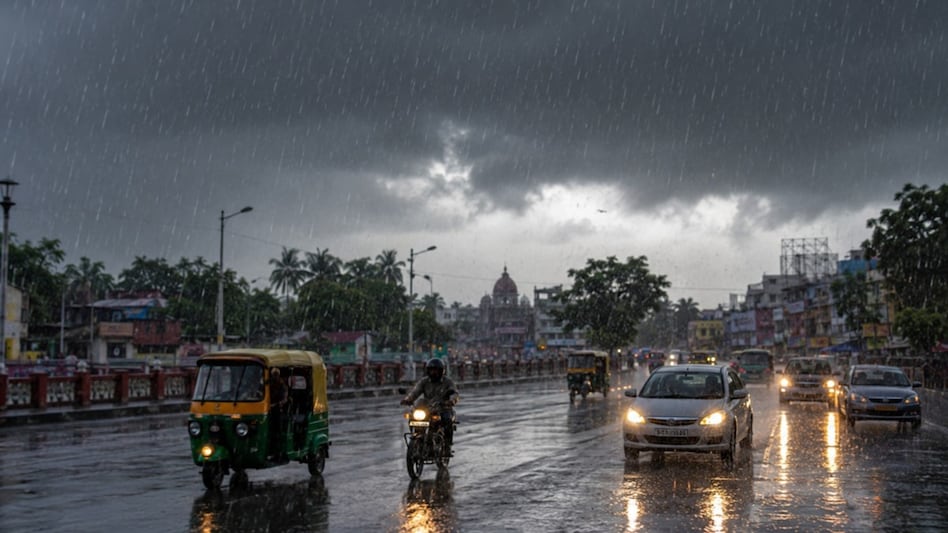
 People have been advised to monitor weather updates, avoid sheltering under trees during lightning, and move to safer locations if conditions worsen.
 The India Meteorological Department (IMD) has issued a widespread heavy rainfall warning for large parts of the country over the next six days, with more than 25 states and Union Territories expected to witness intense showers, thunderstorms and gusty winds. Odisha faces the highest risk, with the weather office forecasting heavy to very heavy rainfall accompanied by isolated extremely heavy rainfall on August 7-8.
The IMD said the active southwest monsoon, aided by multiple weather systems including a likely low-pressure area over the Bay of Bengal, will keep rainfall activity elevated across northwest, central, eastern, western and southern India through August 12.

 Swiggy shares vision FY31: Why analysts have doubts; Citi, UBS, CLSA targets
 SBI Q1 results today: Will NIM recover? Key expectations, target prices ahead of earnings
  After PM Modi post row, Meta faces tough questions on algorithms, deepfakes and your feed
 'I was very surprised to see...': BMW Group India CFO concerned about extent, length of tax litigation in India
 Trump signs fresh birthright citizenship orders after Supreme Court setback, targets birth tourism
 PNC Infratech Faces NHAI Heat: Will Probe, Penalties And Debarment Risk Hurt The Stock Ahead?
 Honda Outsources Key Vehicle Platform To Tata Technologies; Stock Jumps 6.5% On Major Deal Win
 NHAI Cracks Down On PNC Infratech After Expressway Defects; Shares End Over 5% Lower
 Should Retirees & Senior Citizens File An ITR Without Regular Income? Tax Rules Explained
 Can Private Developers Monetize Government Land? | Mr. Vinayak Chatterjee
 SBI Q1 results today: Will NIM recover? Key expectations, target prices ahead of earnings
  Titan Company Q1 earnings: Stock hits record high for second day, here are key expectations Swiggy shares vision FY31: Why analysts have doubts; Citi, UBS, CLSA targets
 Samvardhana Motherson shares: SAMIL a Buy after 8% rally? Targets by Citi, JPMorgan, CLSA
 LEAP India IPO kicks-off today: Should you subscribe: Check price band, GMP, review & more
 Do housewives need to file ITR without a salary? Here's what you need to know before filing
 India almost lost its first homegrown MRI. How Tata, Zoho stepped in to keep healthcare affordable'I was very surprised to see...': BMW Group India CFO concerned about extent, length of tax litigation in IndiaSBI Q1 results today: Will NIM recover? Key expectations, target prices ahead of earnings Trump signs fresh birthright citizenship orders after Supreme Court setback, targets birth tourism










