














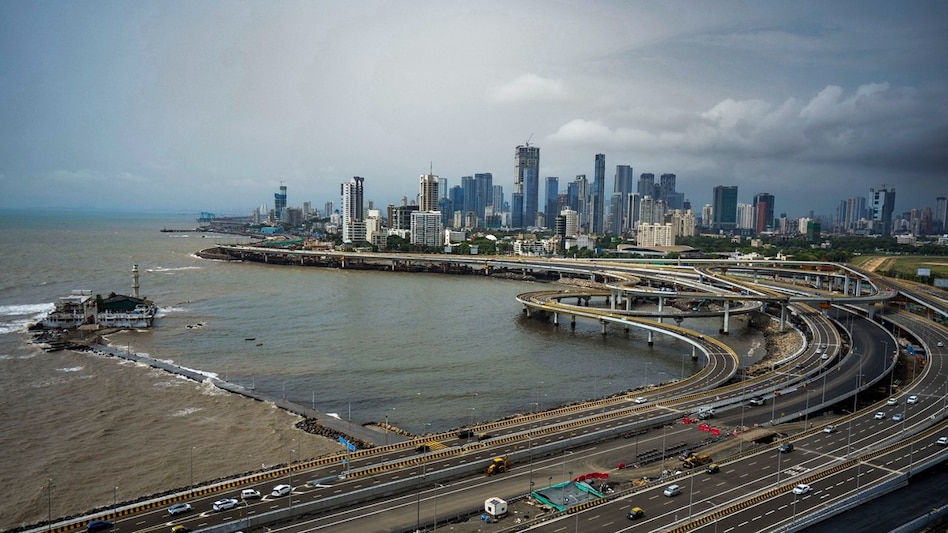
 Usually, the monsoon reaches Mumbai between June 9 and June 11.
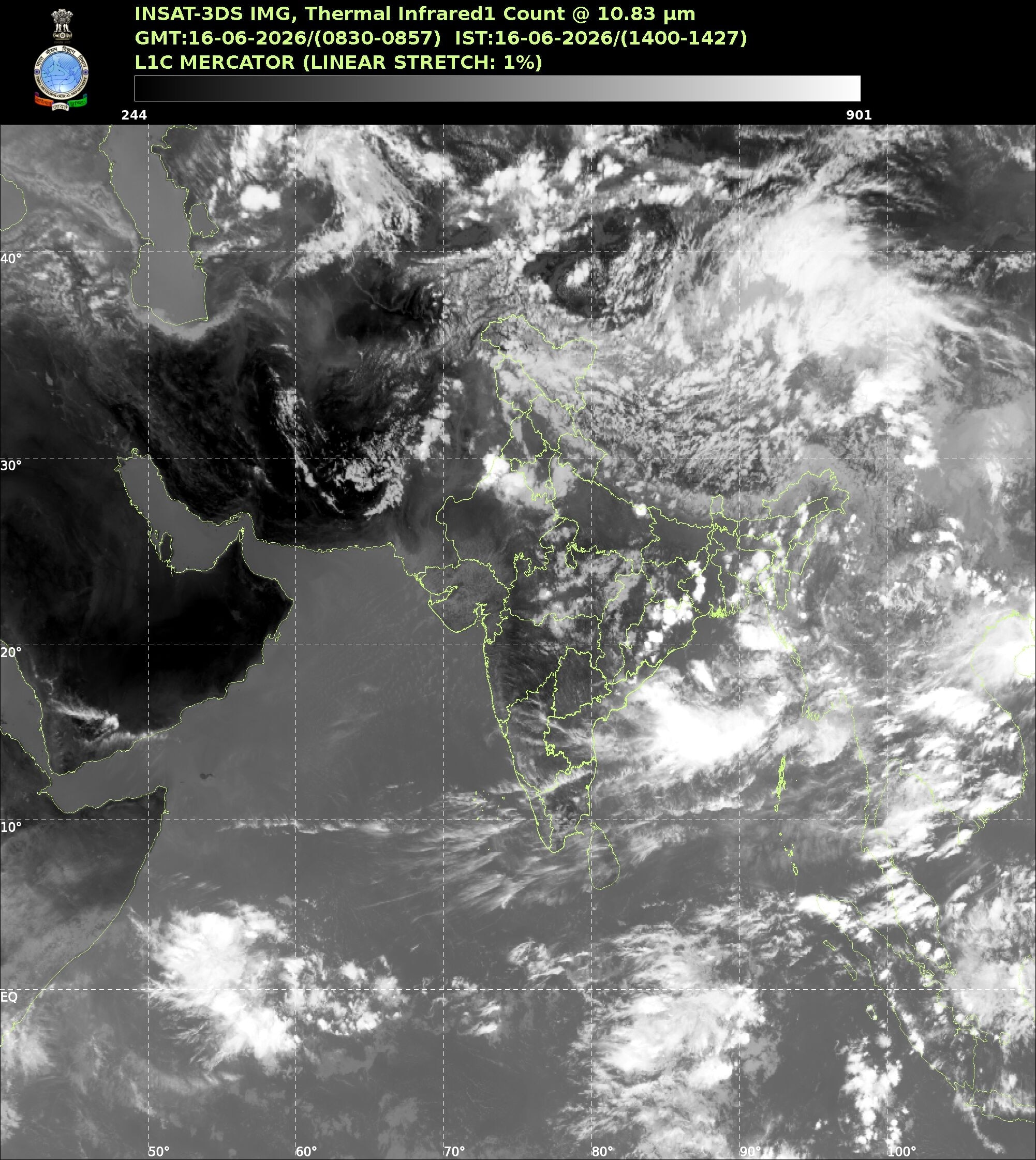
India's south-west monsoon has lost momentum sharply just weeks after an encouraging start, raising fresh concerns over rainfall shortages, water security and the growing influence of a strengthening El Nino in the Pacific Ocean. Satellite imagery shows monsoon cloud cover thinning across large parts of the country, with rainfall activity weakening after the seasonal rains advanced into southern and central India.
MUST READ | Monsoon is here, but relief is not: South Bengal faces another hot week
 Govt starts buffer onion releases as festive demand nears
 India to divert 3.5 lakh tonnes of export sugar to local market as prices surge
 AI boom is helping offset oil shock, but global economy still faces risks, warns IMF
 Nepal flood: 77 Isha Foundation Kailash pilgrims out of contact, were at Tibet immigration centre
 India emerges as Kenya’s new fuel lifeline as West Asia supply disruptions deepen
 YouTube, Insta Earnings Are Not Tax-Free: What Freelancers & Content Creators Must Know About Tax
 What’s Hot: Stocks, Gold & Big Money Moves | Daily Markets Show | August 26 | Business Today TV
 Nifty Rally Gets A Boost From Falling Oil: Vaishali Parekh On What Comes Next
 IIT Delhi Protests Over Student Death As Students Demand Accountability And Independent Probe
 How This Fund Manager Turned ₹1 Cr Into ₹7.6 Cr | Abhay Agarwal On Beating The Market by 8.8% A Year
 Tata Capital shares: Nuvama ups target price; says Tata Motors Finance drag largely behind
 ICICI Prudential AMC: Promoter Prudential to sell 2% stake; stock slips
 Adani-backed Cemindia Projects may raise up to Rs 5,000 crore through QIP: Report
 Why did Sensex, Nifty erase gains to settle lower today?
 Piper Serica exits CDSL, CAMS shares; adds Gland Pharma, Astra Microwave
 Apple event 2026 announced for September 9: iPhone 18 Pro series, iPhone Ultra, and more to debutNepal flood: 77 Isha Foundation Kailash pilgrims out of contact, were at Tibet immigration centre
 Snow-rock landslide near China blocked river, debris lake formed, then burst: What may have caused Nepal's deadly floodIndia emerges as Kenya’s new fuel lifeline as West Asia supply disruptions deepenGovt starts buffer onion releases as festive demand nears
FAQs
Why has India’s south-west monsoon weakened after an encouraging start?
The monsoon has lost pace because strong weather systems have not formed over the Bay of Bengal and the Arabian Sea, which are important for pushing rains inland. Satellite images also show reduced cloud cover across many parts of the country.
How big is the rainfall deficit in India so far this monsoon season?
Between June 4 and June 15, India received only 19.2 mm of rain against the normal 53.7 mm. This means the country recorded a rainfall deficit of nearly 64 per cent during that period.
Why is the delay of the monsoon in Mumbai a matter of concern?
The monsoon usually reaches Mumbai between June 9 and June 11, but this year it is running more than a week late. The city has received very little rain so far, raising the possibility of one of its driest June months in nearly two decades.
How is the weak monsoon affecting water storage in Maharashtra and Gujarat?
Low rainfall is beginning to put pressure on water resources. Maharashtra’s reservoirs are holding only about 24.5 per cent of their total storage capacity, while several reservoirs in Gujarat, including Sardar Sarovar, are also reporting significant storage shortages.
What is the role of El Nino in India’s monsoon outlook this year?
Global climate agencies have confirmed El Nino conditions in the Pacific Ocean. El Nino is often linked with weaker Indian monsoons, and forecasters say its impact may strengthen further by September, which could increase the risk of below-normal rainfall.


