


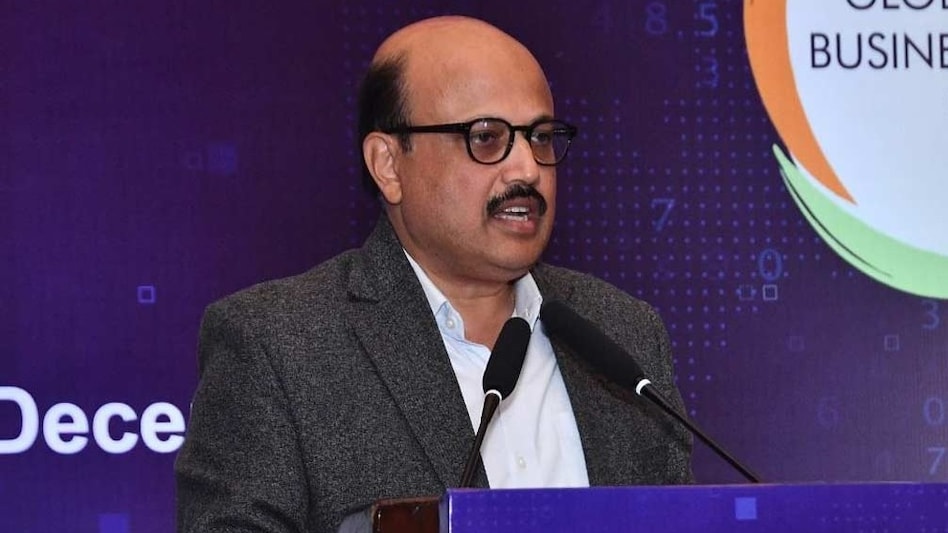
 Turning to future strategies, Agarwal emphasised the need for India Inc to take initiative.
The global trade landscape is undergoing a seismic shift. Supply chains are no longer just economic tools — they are geopolitical levers. In this evolving scenario, India sees a once-in-a-generation opportunity to position itself as a reliable hub for both production and consumption. Rajesh Agarwal, Special Secretary, Department of Commerce, lays out how the world’s trust deficit in existing trade structures is opening new doors for India.
“We are in a global world where both markets and supply chains are being weaponised,” said Agarwal, warning that this represents a major challenge for global trading institutions like the WTO. “The WTO was meant to uphold a market-driven global trade system based on comparative advantage. But we’ve allowed non-market economic practices to coexist unchecked,” he added.

 NSE shares hit fresh peak; market cap tops Rs 5.1 lakh crore
 Paytm stock nears 52-week high on preliminary RBI nod for wallet licence
 Jimmy Tata breaks silence, backs N Chandrasekaran and Tata Sons listing against Noel Tata: Report
 BT BIG STORY: AI helps, but concierge is still a very human business
 No PUC, no fuel & ₹10,000 fine: Gurugram turns fuel pumps into checkpoints with 300 new cameras
 PM Modi Highlights 5 Agricultural Revolutions Transforming India's Farming Sector
 FDs Vs Equity: Should Women Rethink Their Investment Strategy To Achieve Long-Term Financial Goals?
 Gold Jewellery vs Gold ETFs: Which Is Better for Investment? Mrin Agarwal Explains
 PM Modi Criticises Past Governments Over Farmers’ Welfare At Agriculture Conclave
 SIP Strategy: Should You Continue, Increase Investments Or Rebalance Your Mutual Fund Portfolio?

 Defence stock: Astra Microwave shares rise 2%; Jefferies sees 21% upside; here's whyNSE shares hit fresh peak; market cap tops Rs 5.1 lakh crore
 Bank Nifty nears record high, analyst says short-term consolidation likely
 Adani Power, AEL shares among six Adani stocks with 'Buy' ratings from Jefferies; here's why
 Mahanadi Coalfields IPO: Coal India subsidiary targets Rs 90,000 crore valuation; issue details hereDefence stock: Astra Microwave shares rise 2%; Jefferies sees 21% upside; here's why
 ULA Vulcan crash wipes out 40 Amazon Leo satellites. How it stacks up against Musk's StarlinkNSE shares hit fresh peak; market cap tops Rs 5.1 lakh crore
 ‘Brutal, brazen’ conduct: US wants 24-yr jail term for Nikhil Gupta for murder-for-hire plot against Gurpatwant Singh PannunNo PUC, no fuel & ₹10,000 fine: Gurugram turns fuel pumps into checkpoints with 300 new cameras












