


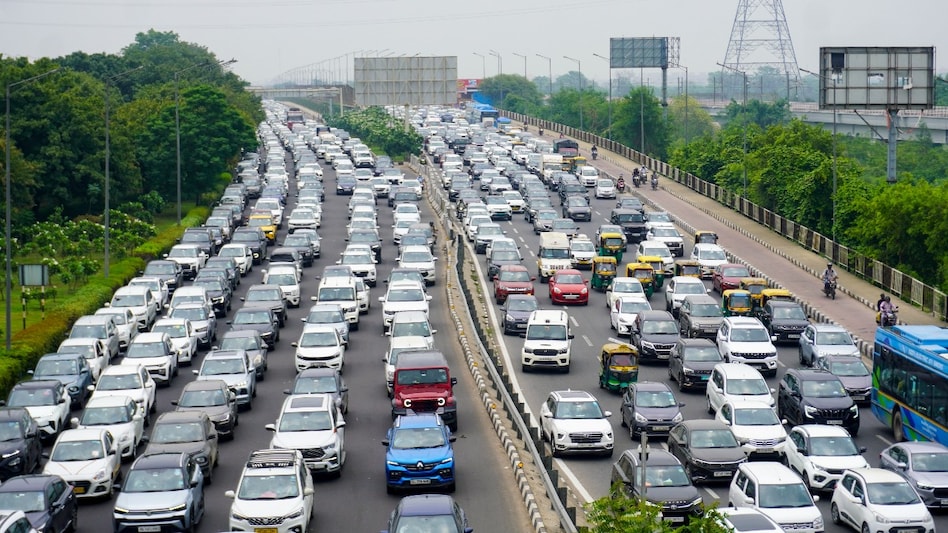
 Lengthy commutes reduce employee productivity, increase fuel consumption and raise logistics costs for businesses.
 Every morning, millions of Indians spend more time inching through traffic than they would like. For many, the daily commute has become an unavoidable part of life — eating into work hours, family time and personal well-being. Fresh data from the TomTom Traffic Index 2025 highlights just how severe the problem has become, with India emerging as one of the world's biggest traffic congestion hotspots.
According to the rankings, eight Indian cities feature among the world's 50 most congested city centres, more than any other country. Bengaluru ranks second globally, while Pune, Kolkata, Jaipur, Chennai, Mumbai, New Delhi and Hyderabad also make the list.

 New stock market timings from August 3: F&O trading extended till 3:40 pm
 What’s on IndiGo CEO Willie Walsh’s table?
  iPhone price shock: These countries pay far more than other regions; India ranks 24th globally
 Worried about interest rate hike? Here's why the RBI MPC may leave the repo rate unchanged this time
  TVS Motor achieves highest-ever EV sales in July at 55,480 units
 LIVE Daily Calls: Ask Your STOCK MARKET TODAY QUERIES | Market Update LIVE | Share Market News Today
 Sun Pharma Q1 Sales Rise 10%; India Business Grows 16%, Organon Deal On Track
 Exclusive Group Report | Nathu La Reopens After 6 Years India China Border Trade Resumes In Sikkim
 Auto Stocks Outlook: Record July Sales! Which Auto Stocks Could Lead The Next Big Rally?
 Muthoot Finance Falls 9% After Q1! Is This A Buying Opportunity In Gold Finance Stocks?
 BTTV Exclusive| Park Mediworld: Bed expansion, specialty mix and CGHS revision fuel growth
 L&T shares may rally further; key breakout level could decide next move
 Anti AI trade: India is a perfect market for FIIs to return, says Kshitiz Mahajan
 Penny stock to buy: Analysts see upto 45% upside in Rs 20 share; check fresh target pricesNew stock market timings from August 3: F&O trading extended till 3:40 pmLIVE Daily Calls: Ask Your STOCK MARKET TODAY QUERIES | Market Update LIVE | Share Market News Today
 No degree needed yet: How students can earn while still studying
 Indians can now book Burj Khalifa tickets with PhonePe and Google Pay — here’s the full guide
 Sun-powered rides: How this new scooter is challenging EV charging norms
 'Chandigarh lacks Delhi's energy': Executive’s post on worker quitting sparks online debate










