


 Total curtailment in Q1FY27 stood at 8.1 TWh (TWh is terawatt-hour that equals to 1 billion kWh), with the highest level reported in May at 3.2 TWh, followed by 2.3 TWh each in April and June 2026.
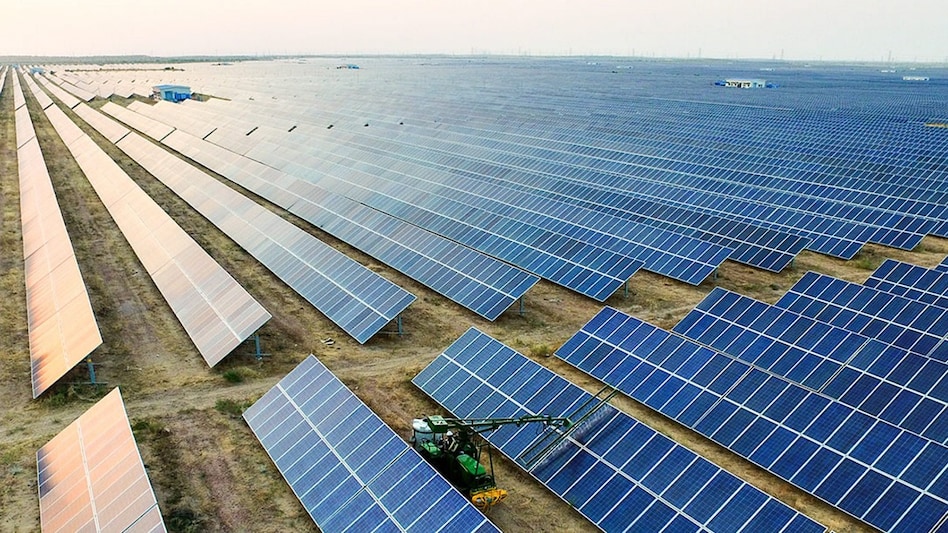
India recorded 8.1 TWh of solar power curtailment, equivalent to the annual electricity use of nearly 1.4 million households, during the peak summer months of April-June 2026, Parliament was informed on Tuesday.
Total curtailment in Q1FY27 stood at 8.1 TWh (TWh is terawatt-hour that equals to 1 billion kWh), with the highest level reported in May at 3.2 TWh, followed by 2.3 TWh each in April and June 2026.

 India-US trade deal close to being final; complex set of factors involved: Marco Rubio
 Jio Platforms IPO: Deven Choksey sees double-return potential in 4-5 years
 India believes in multilateralism but is not waiting for it: FM Nirmala Sitharaman
 HFCL Q2 earnings: Net profit rises five times, shares hit upper circuit
  BT BIG STORY: Why young global scholars are returning to teach at India's B-schools
 Tiger Shroff Firing Case: Police Beef Up Security Outside Actor’s Bandra Home | Ground Report
 Tiger Shroff Firing: Fan-Recorded Video Shows Chaos After Shots Ring Out
 Vijay's TVK Functionary Boobalan Arrested In 135 Kg Meth Seizure, DMK Targets Anti-Drug Promise
 FM Blames Easy Liquidity For FPI Exodus | When Will Foreign Investors Return To India?
 France Riots: Town Halls Torched, Luxury Stores Looted As More Than 1,000 Detained
 Zerodha launches US stock investing in beta mode: All you need to know HFCL Q2 earnings: Net profit rises five times, shares hit upper circuit Jio Platforms IPO: Deven Choksey sees double-return potential in 4-5 years
 Federal Bank shares rise 5% as NPAs hit decadal low, brokerages on price targets
  Cupid promoter Aditya Halwasiya buys stake in PC Jeweller; stock jumpsTiger Shroff Firing Case: Police Beef Up Security Outside Actor’s Bandra Home | Ground Report
 Maharashtra Deputy CM Eknath Shinde Vows To End Mumbai Gang Wars, Warns Gangsters
 Airtel Launches ₹185 Voice-Only Recharge Plans With Unlimited Calls, No Mobile DataZerodha launches US stock investing in beta mode: All you need to know
  Is AI squeezing entry-level tech jobs? Anthropic’s junior technical hiring drops from 27% to 9%












