








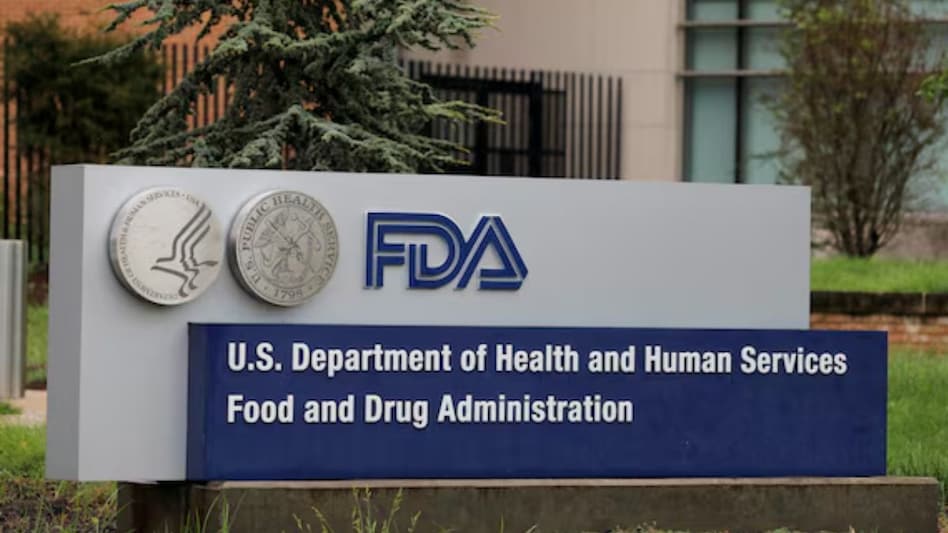
 The FDA’s new draft guidance seeks to speed up approvals by reducing reliance on human trials and emphasizing analytical testing to prove biosimilar equivalence.
 The FDA’s new draft guidance seeks to speed up approvals by reducing reliance on human trials and emphasizing analytical testing to prove biosimilar equivalence.
In a policy shift that could benefit India’s biosimilar industry, the US Food and Drug Administration (FDA) this week announced reforms to simplify and reduce the cost of developing biosimilars, lower-cost versions of biologic drugs used to treat chronic and life-threatening diseases.
The FDA’s new draft guidance aims to make the approval process faster and less burdensome by limiting the need for comparative human clinical studies and allowing developers to rely more on analytical testing to establish similarity with reference biologic products. The agency has also proposed easing the pathway for granting interchangeability status, which allows pharmacists to substitute biosimilars for branded biologics without additional prescriptions.
Biologic medicines currently account for just 5 per cent of prescriptions in the US but represent 51 per cent of total drug spending, according to the FDA. Despite having approved 76 biosimilars so far, market penetration remains below 20 per cent, compared to over 30,000 approved generic drugs for small molecules.
For India, which has emerged as a global hub for affordable biologics and biosimilars, the move is expected to open new market opportunities. According to industry estimates, India already has around 130 approved biosimilars, and its biopharmaceutical exports to the US are likely to increase as the regulatory process becomes clearer.
Over the next seven years, more than 55 biologic drugs are expected to lose exclusivity in the US, creating a potential multi-billion-dollar opportunity for Indian firms with established biosimilar capabilities.
Sudarshan Jain, Secretary General of the Indian Pharmaceutical Alliance, welcomed the announcement, calling it “a step that will accelerate biosimilar development and lower drug costs for patients.” He added, “The simplification of interchangeability guidelines and approval pathways will create a more enabling environment for the industry to diversify in the large-molecule space. India has long been a trusted partner in ensuring access to quality-assured, affordable medicines for American patients. These reforms will further strengthen the US–India partnership and our shared goal of improving healthcare access and affordability.”
Adding to this, pharmaceutical analyst Salil Kallianpur said the regulatory changes could strengthen India’s position in the global biologics value chain. “The initiative will benefit Indian pharmaceutical and biotech companies. By reducing the requirement for large comparative clinical trials and simplifying the ‘interchangeability’ process, the FDA is making it faster and more economical to bring biosimilars to the US market,” he said.
“This move aligns with India’s strengths in cost-efficient biologics manufacturing, analytical capabilities, and regulatory experience, creating new opportunities for exports, partnerships, and contract manufacturing with Western firms. While quality and compliance standards remain stringent, the easing of clinical requirements and regulatory friction positions Indian firms as key global suppliers of affordable biologics, enhancing both profitability and access worldwide.”
“Biologics treat many chronic diseases, but for too long, a burdensome approval process has kept patients from accessing more affordable biosimilars,” said Health and Human Services Secretary Robert F. Kennedy Jr., adding that the FDA’s action “accelerates biosimilar development, drives market competition, and expands patient options.”
Analysts say Indian companies such as Biocon Biologics, Dr Reddy’s Laboratories, and Intas Pharmaceuticals are well-positioned to benefit from the simplified regulatory pathway, especially as the US government pushes to lower drug prices and expand access.
FDA Commissioner Marty Makary said, “Biosimilars are often more affordable to patients and have the potential to lower healthcare costs in America. By streamlining the biosimilar development process and advancing interchangeability, we can achieve meaningful cost reductions for treatments for cancer, autoimmune diseases, and rare disorders affecting millions of Americans.”
Comparative efficacy studies, which can take up to three years and cost around $24 million, have long been seen as a barrier to biosimilar development due to their high cost and limited sensitivity. The FDA has now proposed replacing such large-scale human trials with analytical and functional studies.
The new guidance, titled “Scientific Considerations in Demonstrating Biosimilarity to a Reference Product: Updated Recommendations for Assessing the Need for Comparative Efficacy Studies,” is the most detailed update to US biosimilar policy in nearly a decade also recommends that “switching studies once required for interchangeable status are generally unnecessary, bringing biosimilar regulation closer to that of generic drugs.
The approval pathway for biosimilars was established by Congress in 2010 under the Biologics Price Competition and Innovation Act (BPCIA) to promote competition in markets dominated by high-cost biologics. Since then, the FDA has approved biosimilars covering diseases such as cancer, rheumatoid arthritis, diabetes, Crohn’s disease, and osteoporosis.
 US-Israel-Iran war LIVE Updates: Daily Swiggy, Zomato deliveries down to 5; gig workers fear COVID-like scenario
 Who drives India's natural gas demand?
 India plans a $11 billion fund to boost domestic chipmaking
 Medical device makers face cost squeeze as gas curbs and polymer prices surge
 Commercial LPG shortage: HCLTech gives WFH option till March 13 as gas crunch disrupts office canteen
 Daily Calls LIVE: Ask Your STOCK MARKET TODAY QUERIES | Market Update LIVE | Share Market News Today
 Thai Cargo Ship Hit By Projectiles Near Strait Of Hormuz, India Condemns Attack
 Strait Of Hormuz Turns Warzone As Tankers Hit And US Warships Strike Iranian Boats
 West Asia War Forces India’s Strategic Reset As Govt Opens Door To Chinese Investments
 West Asia War Sparks Panic Buying In Chennai; Induction Stoves, Cookware Sold Out
 Rajputana Stainless IPO: Latest GMP, why allotment was deferred & other key details
 L&T, KEC, KPIL, NCC, PNC Infra may benefit as Rs 8.7 lakh crore Jal Jeevan Mission extended till 2028, says JM
 Borosil shares slide 7% as LPG crunch hits Jaipur plant production
 Adani Total Gas shares surge 33% in 3 days; analysts 'divided' on outlook
 Aarti Industries shares jump 6% after securing $150 million deal; key details