

 Indians prefer job security over financial assistance, finds LSE study
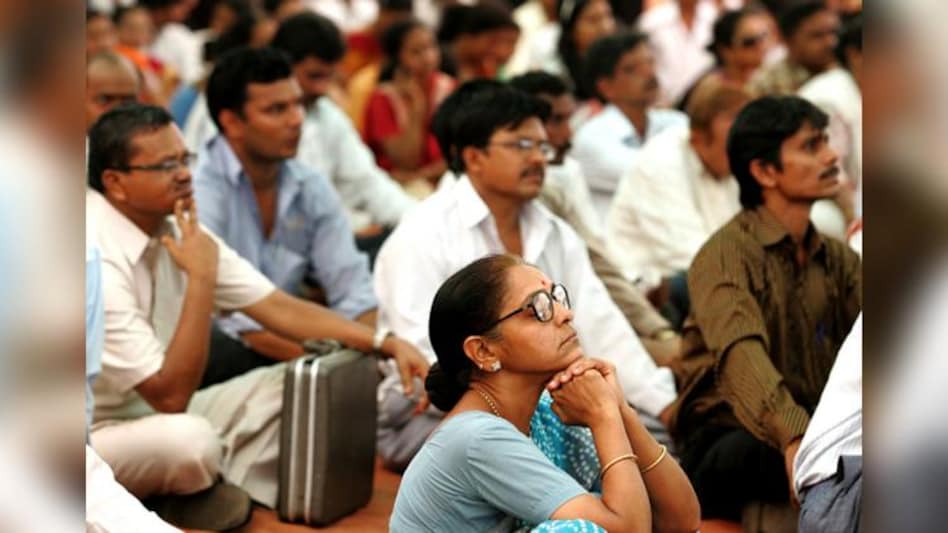
Amid uncertainty over jobs, mostly due to the impact of coronavirus pandemic, urban Indians are left with no taste for government cash transfers. They instead want job guarantee. A study by the London School of Economics found that a majority of urban Indians who were left with no jobs because of COVID-19 want the government to guarantee them jobs like it does for people in rural areas.
The LSE study titled ‘City of dreams no more, a year on: worklessness and active labour market policies in urban India’ stated that as many as 82 per cent of respondents favoured job guarantees, while 16 per cent preferred cash transfers. Even the ones who received cash handouts in the wake of the pandemic preferred job protection over financial assistance.
 N Chandrasekaran reappointed for 5 yrs as Tata Sons Chairman; board approves public listing
 NSE IPO day 1 update : Issue subscribed 31% so far; NIIs, employees lead bidding | Key details
 MDR on UPI: Will examine concerns raised by stockbrokers, says SEBI chief
 Diwali demand lifts Indian food exports as global buyers seek sweets, snacks and ready-to-eat foods
 NSE IPO: SGX, LSEG, ICE and CME Group - how NSE compares with global peers
  NSE Outlook Should Investors Subscribe At ₹1,785? Gaurang Shah On Valuation & Risks
 What’s Hot: Stocks, Gold & Big Money Moves | Daily Markets Show | September 17 | Business Today
 SEMICON India 2026: Global Chip Giants Announce Major India Investment Plans
  “Clean Up Your Act”: U.S. Senator Blumenthal’s Warning To India And China Over Russian Oil
 Exclusive: FDA Chief Tukaram Mundhe On Hospital Pricing, Mondegar Lapses And Licensing
 N Chandrasekaran reappointed as chairman: Tata Chemicals, Tata Investment, TCS, Tata Tech shares rise up to 13%
 NSE vs BSE valuation: Does NSE’s larger scale give it an edge?
 Kanohar Electricals stock: Two-day rally takes gain from IPO price to 40%, here's why
  NSE IPO: CBDO Sriram Krishnan on retail growth, product diversification, new opportunitiesNSE IPO day 1 update : Issue subscribed 31% so far; NIIs, employees lead bidding | Key detailsNSE Outlook Should Investors Subscribe At ₹1,785? Gaurang Shah On Valuation & Risks
 UPI MDR row: CA flags pressure on low-margin businesses; pharma company director estimates ₹1.2 crore annual hitWhat’s Hot: Stocks, Gold & Big Money Moves | Daily Markets Show | September 17 | Business TodaySEMICON India 2026: Global Chip Giants Announce Major India Investment Plans “Clean Up Your Act”: U.S. Senator Blumenthal’s Warning To India And China Over Russian Oil












