


 The one-time spectrum charge issue is among several legacy disputes that emerged from India's transition from administrative spectrum allocation to a market-driven auction regime.
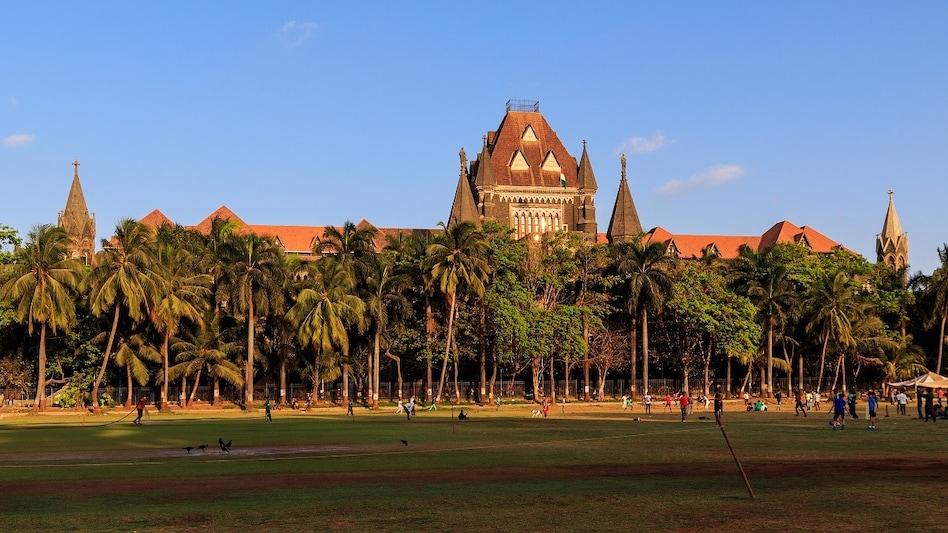
 In a significant relief for India's telecom sector, the Bombay High Court on Monday set aside the Centre's demands for one-time spectrum charges (OTSC) imposed on telecom operators Bharti Airtel and Vodafone Idea.
The court also annulled all actions taken by authorities based on the disputed demands, marking a major legal victory for the two companies after a long-running dispute with the Department of Telecommunications (DoT).

 Jio IPO: Can Akash Ambani turn Reliance’s telecom giant into a technology powerhouse?
 SEBI warns investors against fake stock tips on invitation-only WhatsApp groups
 Despite broader uncertainty, why Aadhar Housing Finance looks to maintain growth pace
 Budget FY28: Centre weighs up to 20% higher fertiliser subsidy amidst external headwinds
  Silver price crash: Gold-silver ratio signals more pain for white metal as expert sees further underperformance in festive season
 Cybersecurity Alert: AI Finds PHP Flaws, eMudhra Faces Certificate Concerns
 BrahMos CEO Exclusive | How BrahMos Is Expanding Production To Supply Vietnam, Indonesia & Russia
 Global Cyber Scare: PHP Flaws Threaten Websites, eMudhra Lapse Sparks Security Alarm
 Budget FY28 | Centre Weighs Up To 20% Higher Fertiliser Subsidy: Sources
 Market Commentary | Nifty - Sensex Today | Aditya Agarwal On What Investors Should Do Now
 Meta shares slide 7% as AI spending push drives capex higher, free cash flow turns negative
 Jio IPO: Meta's ₹43,573-crore bet could yield ₹56,272 crore on paper, but what about dollar returns?
 Swiggy Q2 results: Loss narrows to Rs 922 cr, revenue jumps 36%; Instamart loss at Rs 895 cr
 Airtel, Vodafone Idea, Indus Towers: Check fresh targets for Telecom stocks amid Jio Platforms IPO
 Adani Energy shares fall despite 148% surge in Q2 net profit; here's why
  US visa wait times October 2026: Check tourist, student and work visa timelines in India
 Diwali 2026: US Postal Service unveils stamp featuring colourful rangoli designMeta shares slide 7% as AI spending push drives capex higher, free cash flow turns negative
 Gold falls below $4,100, silver slides 4.5% as Brent nears $112: Will Fed rate hike fears trigger more losses?SEBI warns investors against fake stock tips on invitation-only WhatsApp groups












