


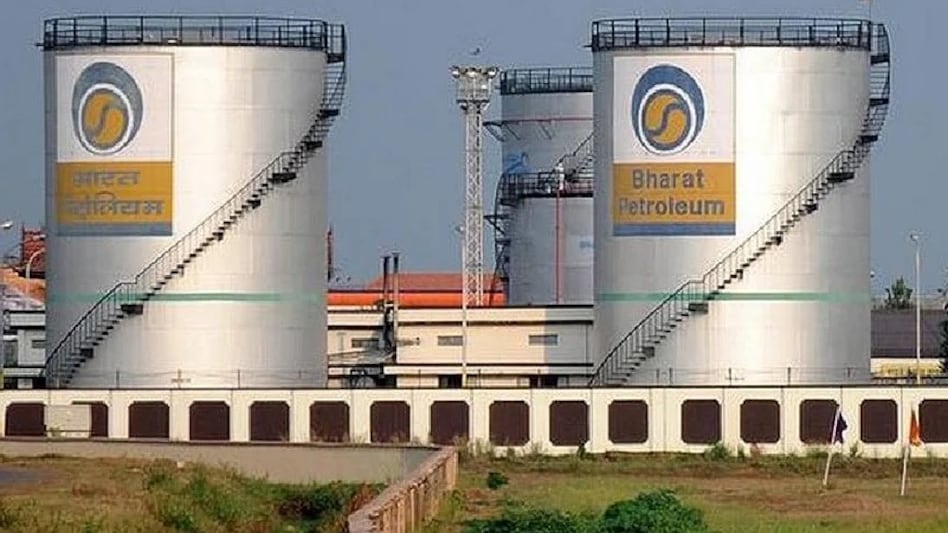
 The OMC is undertaking significant innovation and industry first initiatives to align with the energy transition by evolving into integrated energy hubs rather than pure fossil-fuel processors.
Amid the growing geopolitical uncertainties, Bharat petroleum corporation Hindustan Limited (BPCL), one of the largest oil marketing companies, balances its approach between investments in conventional assets and new energy businesses.
The OMCs is focusing on increased cruse refining and upstream operations while also prioritising growth in renewables, hydrogen, biofuels, and electric mobility.

 Tim Cook leaves a trillion-dollar machine. John Ternus must build Apple’s next growth story
 HDFC Bank CEO exit: How share price may react to Sashidhar Jagdishan's decision
 Popular forest trail becomes burial site: Nepal begins mass burials of unidentified victims
  West Asia tensions: Oil prices up 1% following US strike on Iranian launch sites in Hormuz
  PM Modi, Xi Jinping, Vladimir Putin to meet in Bishkek at the SCO Summit: Trade, regional security, West Asia war on agenda
 FD Or Debt Fund: Which Can Offer Better Returns, Tax Benefits & Liquidity?
 Why Meta Could Be Fined $1.4 Trillion! Instagram-Facebook Could Change Forever
 Gold Price Outlook: Can Festive & Wedding Demand Push Prices Higher In India?
 Gold Price Rally: Why Gold Surged 16% In August; Key Triggers Behind The Comeback
 Gold Vs Silver Vs Sensex Since 2005: Which Investment Delivered Better Returns?
 Defence stock: Multibagger with 2,100% returns in focus today; here's why
  HDFC Bank CEO: Internal or external candidate, which option will largest private lender pick?
 HDFC Bank shares: Market bets on next MD and CEO; Bharucha, Jimmy Tata, Hitendra DaveHDFC Bank CEO exit: How share price may react to Sashidhar Jagdishan's decision
 Suzlon, BHEL, Waaree Energies: Top stocks to trade — Check key levels, target prices & stop loss
 'Kharg Island being blown to...': Strait of Hormuz tensions surge as Trump threatens IranDefence stock: Multibagger with 2,100% returns in focus today; here's why HDFC Bank CEO: Internal or external candidate, which option will largest private lender pick?
 Saudi oil shipments hit a 2026 low: Why the kingdom’s escape routes are running out of roomPM Modi, Xi Jinping, Vladimir Putin to meet in Bishkek at the SCO Summit: Trade, regional security, West Asia war on agenda












