

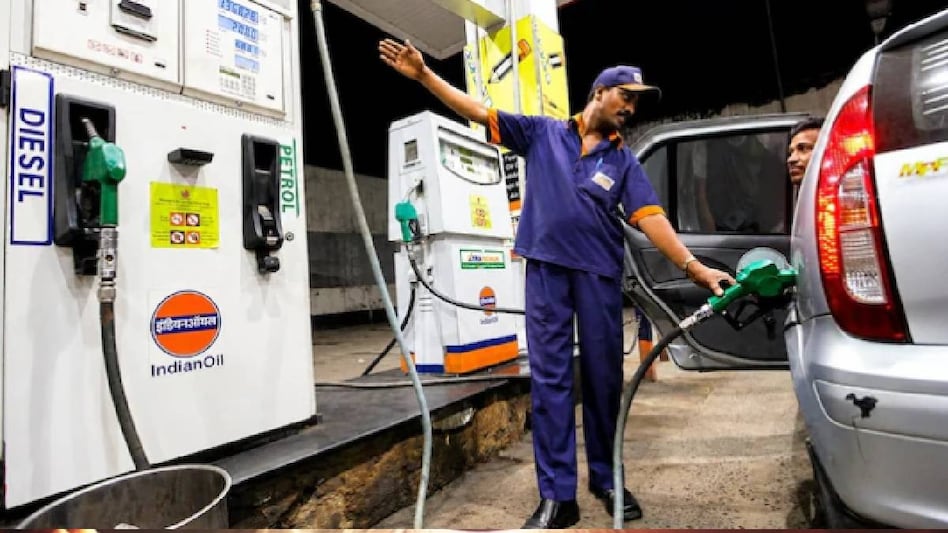
 Sources said daily sales of XP95 at one Delhi petrol pump have risen from around 1,000 litres to between 1,500 and 1,700 litres.
A growing number of vehicle owners in Delhi are opting for premium petrol variants amid concerns over the wider rollout of E20 fuel, leading to a sharp increase in demand for high-octane fuels at retail outlets, sources told Business Today TV.
According to sources, fuel stations across the national capital are witnessing a noticeable shift from regular petrol to premium fuel variants such as IndianOil's XP95 and XP100, Bharat Petroleum's Speed 97 and similar high-performance fuels.
 Shaktikanta Das flags need to cut India's oil import dependence, cites Rs 84,000-crore offshore push
 A prolonged West Asia conflict will increase risks to corporate earnings, says Nomura's Saion Mukherjee
  No social media for under 18s? Centre mulls new safeguards after SC raises concern
 Reliance, Nayara restrict fuel sales as crude hits $107 and retail prices stay frozen: Report
 BT BIG STORY: Why crypto is still thriving among Indian investors
 PROMO | 27 Years Of BT Golf | BT Golf 2026-27 Tees Off On 19 October 2026
 Supreme Court Questions High Medicine Prices At Corporate Hospitals | Essential Drugs Pricing
 India Seeks Alternate Air Routes Via China, Bhutan To Cut Airline Costs | Pakistan Airspace Ban
 8 Years Of Ayushman Bharat: Benefits, Eligibility & How To Claim | Insurance Guide | Money Today
 Noel Tata Hits Back With New Merger Plan | Can Tata Sons Avoid Listing? | Boardroom War
 Nilesh Shah on FOMO: Why investors should stop chasing ‘once-in-a-lifetime’ opportunities
 Indian rupee hits two-month low, ends nearly flat below 96 per US dollar
 Stock picks during correction: Coal India, Sona BLW, Blue Star form part of defensive watchlist, says analyst
 Helios Capital on why falling gold prices are not a trigger for renewed interest in yellow metal
  Prestige Estates stock outlook: Motilal Oswal sees 29% upside on strong launches, check target price
 Eiffel Tower operator to step down after female staff excluded from BAPS visit: Report
 YouTube’s India creator ecosystem generates 9.6 lakh jobs, ₹18,000 crore economic value: Report
 LPU Uni mall looting leaves ₹90 lakh loss as PS5s, iPhones and Prada perfumes stolenPROMO | 27 Years Of BT Golf | BT Golf 2026-27 Tees Off On 19 October 2026
 Oberoi unveils luxury resort in Saudi Arabia's Wadi Safar, set to open in 2027












