


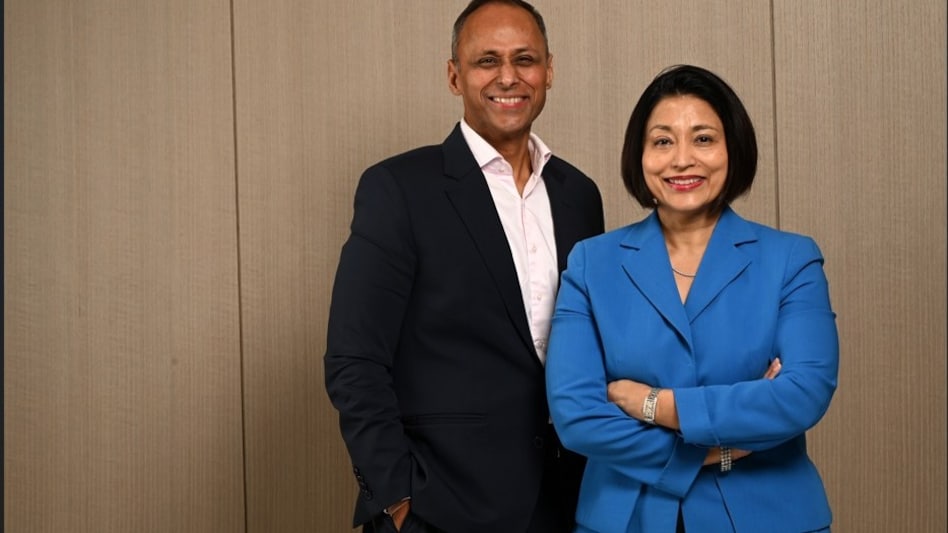
 Lupin Managing Director Nilesh Gupta and CEO Vinita Gupta
Lupin closed FY25 with its highest-ever profit, reporting net earnings of ₹3,306 crore and returning to a net cash position after a period of operational and regulatory challenges. The turnaround comes after several years of margin pressure, compliance issues and restructuring, with the company now focusing on complex generics, specialty medicines and a gradual move towards innovation-led growth.
Managing Director Nilesh Gupta and CEO Vinita Gupta spoke to Business Today about how Lupin is recalibrating its business model, the lessons from its recovery phase, and the company’s plans as it looks to build new capabilities in a changing global pharmaceutical landscape.

 ‘Global South must become a global decision-maker’: PM Modi at BRICS Summit with Xi, Putin
 ‘Everything will work out just fine’: Trump says Iran war will end very soon, oil prices will drop
 SEBI proposes new expiry-day settlement formula for derivatives after CAS concerns
 ‘Mojtaba is alive, doing his job’: Iranian President Pezeshkian says US is spreading propaganda
  BRICS Summit 2026: Malaysia, Ethiopia want stronger defence cooperation with India
 “New Airports Must Create Tourism”: Ram Mohan Naidu On India’s Aviation Push
 Gen Z Portfolio Guide: How To Balance Emergency Funds, Investments And Future Financial Security
 U.P CM Yogi Adityanath Says Youth Still Read Books, Need Better Access In Digital Age
 BRICS 2026: South African President Cyril Ramaphosa Meets Gautam Adani
 Why Gen Z Chooses Experiences Over Traditional Financial Goals Like Homes And Cars
 Large caps stocks under pressure as rising US bond yields, crude prices weigh on foreign flows
  SEBI proposes bringing unexecuted Iceberg orders into closing auctionSEBI proposes new expiry-day settlement formula for derivatives after CAS concerns
 Silver may climb to Rs 3.25 lakh, but January peak looks distant: Navneet Damani
 NSE IPO: Should you subscribe? Check price band, key details, fresh GMP, valuations & brokerage view‘Everything will work out just fine’: Trump says Iran war will end very soon, oil prices will drop
 PM Modi At BRICS Summit: “Time To Turn Unity Into Concrete Results”
 PM Modi Officially Opens BRICS Summit 2026 In Delhi & Welcome World Leaders
 PM Modi Welcomes Iranian President Masoud Pezeshkian At Bharat Mandapam For BRICS 2026
 PM Modi Walks With Putin At Bharat Mandapam For BRICS Summit 2026












