


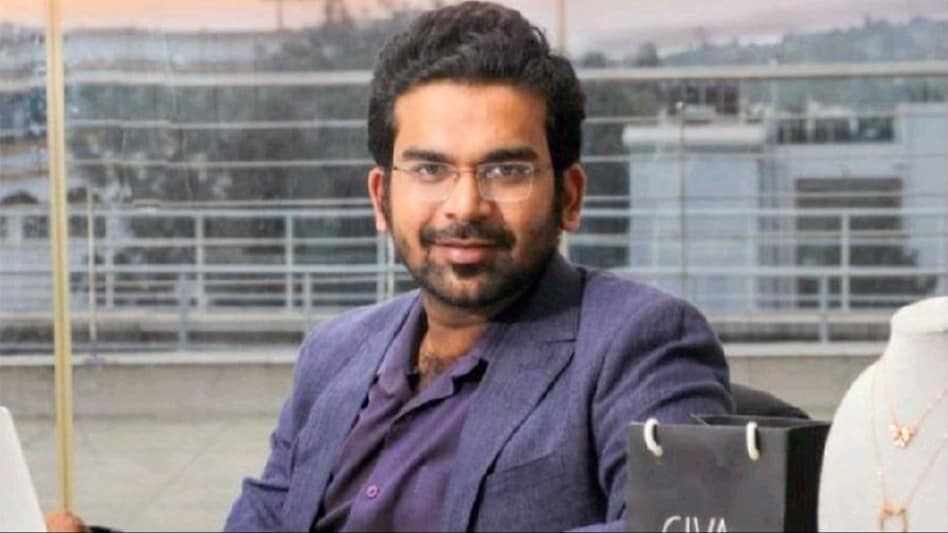
 Founded by Ishendra Agarwal, GIVA currently has over 80 retail stores in India.
Jewellery start-up brand GIVA founder Ishendra Agarwal has explained the reason why his company picked silver metal as their core segment. According to Agarwal, when co-founders Nikita Prasad, Sachin Shetty and him started GIVA in 2019, the market had gold-centred brands such as Tanishq and Kalyan Jewellers, but no silver-focussed branded retailers.
"There were very few brands in silver, and all of them were family-owned business. They had a very limited scale, limited vision. They were very much focusing on what they were doing in just one shop or two shops. You would see so many sunar ki dukan which used to sell silver but you would not see a large silver brand. Versus in gold, you would see so many large brands along with the small shops,” Agarwal said in The Neon podcast.

 BT BIG STORY: IPO done, NSE is now looking at other options for future business
 LTCG tax rollback: What investors want from Budget 2027 and will the government deliver?
 No-cost EMI vs upfront payment: When does buying on instalments make sense?
 Apple HomeView vs Amazon Echo Show: How the two smart displays compare on price and features
 Jio Platforms IPO: Price band announced at Rs 1,065-1,119; set to become India's biggest public issue
 IMC 2026: The Biggest Tech Innovations You Need To See!
 What Is A Specialized Investment Fund (SIF)? SIF Vs Mutual Funds Explained
 This Week In Cinema: Jailer 2, Ranabaali, Prahaar, Nayyi Navelli & Street Fighter Hit Theatres
 India Inflation Shock: WPI Hits 11.39%, CPI At 5.54% As Crude Oil Touches $107 A Barrel
 Cabinet Approves IDBI Bank Stake Sale to Fairfax: Is the Stock Still a Buy?
 BT BIG STORY: IPO done, NSE is now looking at other options for future businessLTCG tax rollback: What investors want from Budget 2027 and will the government deliver?Jio Platforms IPO: Price band announced at Rs 1,065-1,119; set to become India's biggest public issue
 Jio Platforms files RHP for IPO of up to 27 crore shares; issue to open on October 21
 Tata Tech Q2 profit rises 4% to Rs 171 crore; revenue jumps 28%
 994 km in 13 hours: Delhi-Patna Vande Bharat's ticket prices may surprise passengersApple HomeView vs Amazon Echo Show: How the two smart displays compare on price and features
 ₹73.55 lakh Jeep SUV sold out in India: What made all 25 units disappear?BT BIG STORY: IPO done, NSE is now looking at other options for future business
 ₹89,999 electric scooter promises 130 km range: What makes e-Sprinto G1 different?












