

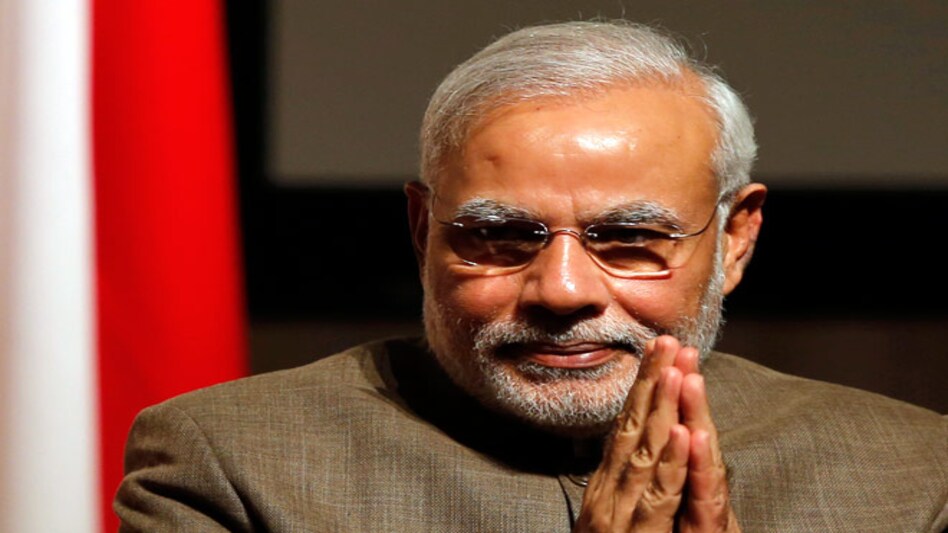
 PM Narendra Modi (Photo: Reuters)
Two of the top 10 US pharmaceutical giants in India by their India business sales - Abbott and Pfizer - did not figure in the guest list for the breakfast meeting with Prime Minister Narendra Modi in the US on September 29.
Abbott is the top pharma company by sales in India and Pfizer is the 10th largest, according to AIOCD-AWACS, which ranks drug companies based on their tablet or capsule sales in India. Pfizer is one of the largest globally by revenues also.
 More than a decade after entering India, Amazon is putting boots on the ground to tackle counterfeits.
 No petrol, diesel price hike proposal yet; govt may support OMCs if crude stays high
 Global tax rules being rewritten, BRICS must have greater say: Finance Minister Nirmala Sitharaman
 BT Big Story: Why India Inc is warming up to non-English-speaking executives
  Why can’t India just stop buying Russian crude oil? FM Nirmala Sitharaman explains
 India Growth Outlook Gets Major Boost: S&P, Fitch, ADB Raise FY27 Forecasts; OECD Upgrades 2026 View
 A-One Steels IPO Explained: Key Details, Growth Strategy & Future Outlook | Management Live
 Market Commentary: Nifty Outlook, Stocks & Market Strategy | Deven Choksey
 Ignore Large Caps? Why Investors Are Chasing High P/E Mid Cap Stocks Now
 30 IPOs In A Month: Deven Choksey On IPO Flipping And Secondary Market Liquidity
 NSE shares: Deven Choksey lists reasons for long-term investment; calls stock 'shock absorber' in volatile markets
 Crude oil prices fall for sixth session; PL Capital explains what could happen next
 Mazagon Dock, GRSE shares: Does short-term bounce signal trend reversal? Analyst decodes
 35% up from 52-week low! Motilal Oswal sees more steam left in this renewable energy player
 KPIT Technologies stock may see more pain amid IT sector weakness
  China is building future industries, India is chasing ice cream and instant delivery: Harsh Goenka’s question for India Inc
 Mahindra Thar OG gets a serious makeover: More power, new tech and 4-wheel discsNSE shares: Deven Choksey lists reasons for long-term investment; calls stock 'shock absorber' in volatile markets
 IAF's big firepower boost: 160 indigenous anti-airfield weapons coming by 2028-29
 India’s Next Growth Wave: SBI Conclave Reveals Viksit Bharat Strategy












