


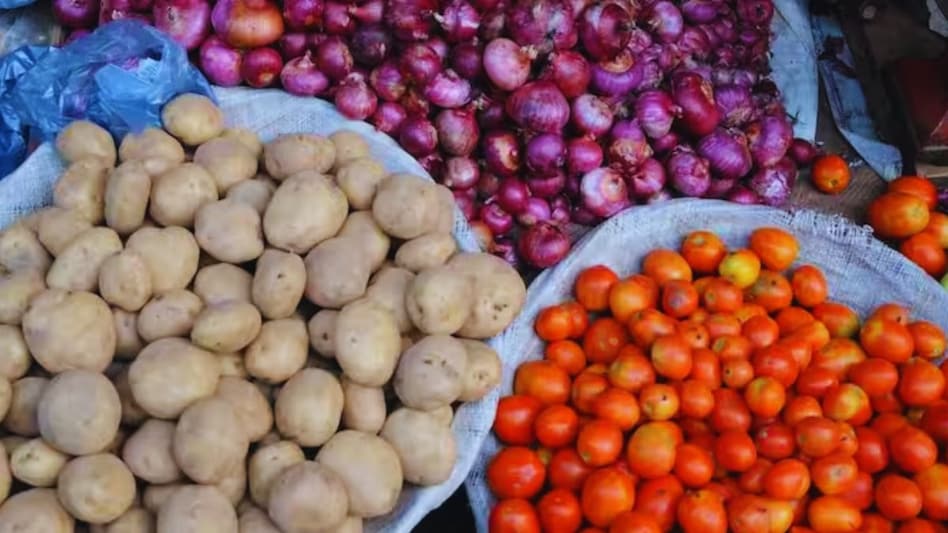
 Vegetables have recorded the steepest price increases among food items, with onions witnessing the sharpest jump.
 Food prices are once again emerging as a concern for Indian households as rising vegetable costs, deficient monsoon rains and weather-related disruptions begin to push inflation higher. According to Acuite Ratings & Research's July 2026 Macro Pulse report, food inflation is expected to remain elevated in the coming months, with onions and other vegetables driving much of the recent increase.
The report says summer heatwaves, intensified by El Niño conditions and below-normal rainfall, have led to a build-up in food prices over the past two months. Wholesale food inflation has accelerated more sharply than retail food inflation, indicating that cost pressures are building across the supply chain and could gradually be passed on to consumers.

 Crude oil may hit $110, India's import basket could touch $130 in 10 days: SBI Research
 Retail inflation hits 21-month high, set to squeeze your household budget further
 Nifty may fall another 5%? Market expert flags key risks for Dalal Street
 India's retail inflation rises to 5.54% in September; food inflation hits 7.74%
 BT EXCLUSIVE | India not unique in satellite licensing process; compliance rules apply globally, says Eutelsat OneWeb's Neha Idnani
  India's Next Connectivity Leap? Tata Communications Bets On Satcom & Smart Villages
 Motorola's Shivam Ranjan Speaks To Business Today About Motorola's Upcoming Flagship @ IMC26
 Is The AI Boom Sustainable? The Debate Over Investment Returns, India's AI Future And Job Disruption
 India-UK Trade Ties Set for Fresh Push? Goyal Calls for Faster Business Cooperation
 Rahul Gandhi Vs Gyanesh Kumar: 200 Officers Claim Escalates Election Commission Row
 Nifty may fall another 5%? Market expert flags key risks for Dalal Street
 HCLTech Q2 results: Profit up 21% at Rs 5,132 crore; announces Rs 12 per share dividend
 L&T Technology Services launches AI lab with NVIDIA for digital manufacturing, stock gains
  CG Power shares: Analyst says book profit on rallies and buy on dips
 Eicher Motors, TVS Motor, Maruti Suzuki, M&M shares among Elara's top auto picks; check targets
 Adani begins construction of 10,432 Dharavi homes in Mumbai: When will residents get their keys?
 Governor reshuffle in 6 states: Mathur moves to Kerala, Arlekar to Tamil Nadu; check full list
 'Foreign hand is becoming visible': Ex-foreign secretary questions Harvard alumni statement over Delhi protests
 Flaming torches, swords and Garba: The centuries-old spirit of Jamnagar's Navratri
 OneWeb On Starlink: 'We've Never Been Scared'












