


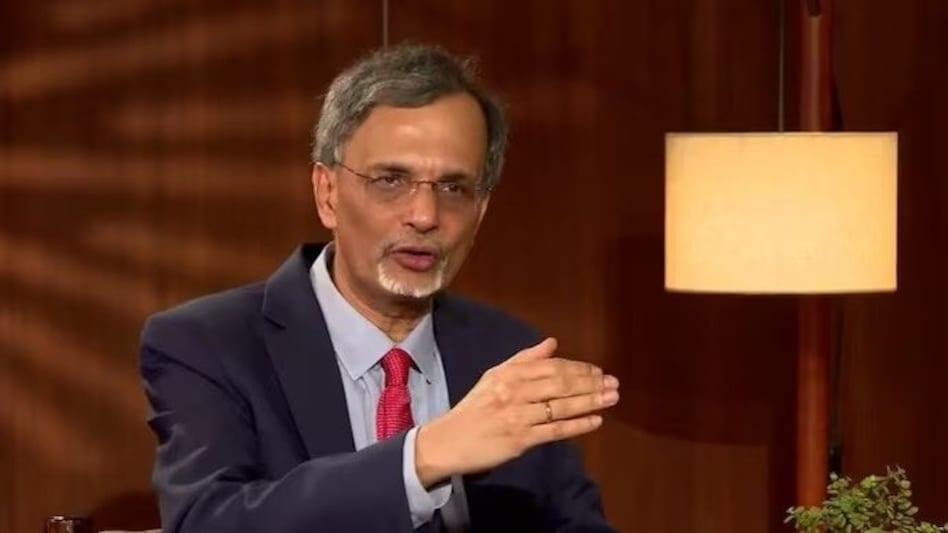
 As per the CEA, the Indian economy could grow at 7.1% to 7.4% next fiscal with a risk on the upside and growth likely to be closer to 7.4% in 2026-27.
 Revising upwards India’s growth forecast to 7.6% in this fiscal, the new GDP series with an updated base year of 2022-23 has also given a more optimistic outlook for the economy in the coming fiscal.
Following the release of the second advance estimates of GDP growth in FY26 and the third quarter data based on the new series, Chief Economic Advisor V Anantha Nageswaran said that growth forecast for FY27 is also likely to be higher than the 6.8% to 7.2% presented in the Economic Survey.

 BT BIG STORY: 'Ratan Tata never wanted to list Tata Sons'
 'Could cripple US tech for over a generation': Microsoft president on Green Card restrictions
 Gold ETF inflows stopped: Major fund houses slam brakes ahead of festive season buying
 Jio IPO: Valuation looks reasonable against Airtel; analysts say subscribe, flag 5 risks
 20-year-old bottleneck solved: What Google Quantum AI's latest scientific breakthrough means
 Sennheiser Momentum 5 Review: Best Premium Headphones Under ₹40,000?
 Jio Platforms IPO: ₹30,000 Crore Issue Opens October 21, Valuation At ₹10.3 Lakh Crore
 Weekend OTT Releases: The Diplomat 4, Aasha, Sacrifice And More
 How Jio Transformed India From Data Scarce to Data Abundant! | Akash Ambani | Jio Platforms IPO
 Akash Ambani Decodes Jio's Financial Muscle | Reveals The 5 Key Business Drivers | Jio Platforms IPO
 Indonesia stocks: Jakarta Composite plunges 10% as MSCI reviews emerging market statusJio IPO: Valuation looks reasonable against Airtel; analysts say subscribe, flag 5 risks
 RIL group to become India's largest conglomerate by m-cap after Jio IPO: Uday Kotak
 Gold eyes sharp recovery; can MCX prices hit Rs 1.5 lakh? Vandana Bharti explains
 Tech Mahindra Q2 results: PAT rises 33% YoY to Rs 1,586 crore; recommends 1:1 bonus issueIndonesia stocks: Jakarta Composite plunges 10% as MSCI reviews emerging market statusJio IPO: Valuation looks reasonable against Airtel; analysts say subscribe, flag 5 risks
 CJP protest: Select few may be allowed to march at Connaught Place today; over 30,000 police to be deployed
 LPG, CNG, PNG prices today (October 16): Check latest rates in Delhi, Mumbai, Kolkata, other cities
 'Jailer 2' box office collection day 1: Rajinikanth's film crosses ₹100 crore worldwide; tops 'Jailer', 'Jana Nayagan'












