


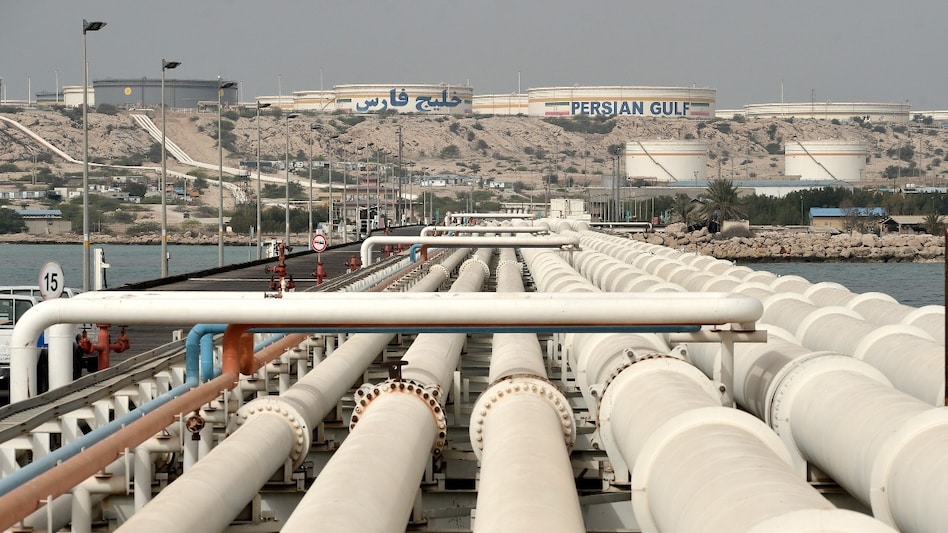
 The Centre said it has prioritised hospitals, households for LPG supply as energy routes face disruption in Gulf.
The Centre has stepped up contingency measures to ensure uninterrupted fuel supply, safe maritime movement and support for Indian nationals as tensions in West Asia continue to disrupt global energy routes, including the closure of the Strait of Hormuz. Officials said India currently has adequate stocks of crude oil, petrol, diesel and LPG, while additional steps have been taken to prevent shortages and panic buying across the country.
Fuel stocks sufficient

 ‘Oligopolistic nature’: Govt wants to cap number of airports an operator can run
  Adani-linked funds: SEBI rejects settlement bids, says report
  Skyways Air Services IPO opens today: Should you subscribe? Check price band, GMP, reviews & more
 Up 27x in 5 yrs! Why this multibagger smallcap stock showing 50% fall in some trading apps today?
 Symbiotec Pharmalab IPO opens today: Should you apply? Check price band, GMP, reviews & key details
 Retirement Does Not Mean Tax-Free Income: Know When Pension And Other Income Is Taxable
 How Retirement Income Is Taxed And What Investors Need To Know
 Commuted Vs Uncommuted Pension: Know The Difference And How Each Is Taxed After Retirement
 Motor Insurance Add-Ons You Actually Need Explained: Zero Depreciation, RSA & Return-To-Invoice
 No Claim Bonus Explained: When Should You Claim Or Pay For Repairs Yourself?
 Hy-Tech Engineers IPO kicks-off: Should you subscribe? Check price band, fresh GMP, reviews & more
 TVS Supply shares jump nearly 6% as Japan's Sankyu plans stake buy
 Hexaware shares soar 8% after AI Day; CLSA, Jefferies, HSBC set price targets
 Horizon Industrial Parks shares make muted market debut; stocks list at flat note on BSE, NSE
 L&T shares gain on bagging Rs 15,000 crore-plus ultra-mega Middle East gas project
 Humanoid robot breaks Usain Bolt’s 100m world record at China event
 Skyroot gears up for next Vikram-1 launch, moves stage 1 to Sriharikota: All detailsHy-Tech Engineers IPO kicks-off: Should you subscribe? Check price band, fresh GMP, reviews & moreTVS Supply shares jump nearly 6% as Japan's Sankyu plans stake buyHexaware shares soar 8% after AI Day; CLSA, Jefferies, HSBC set price targets












