


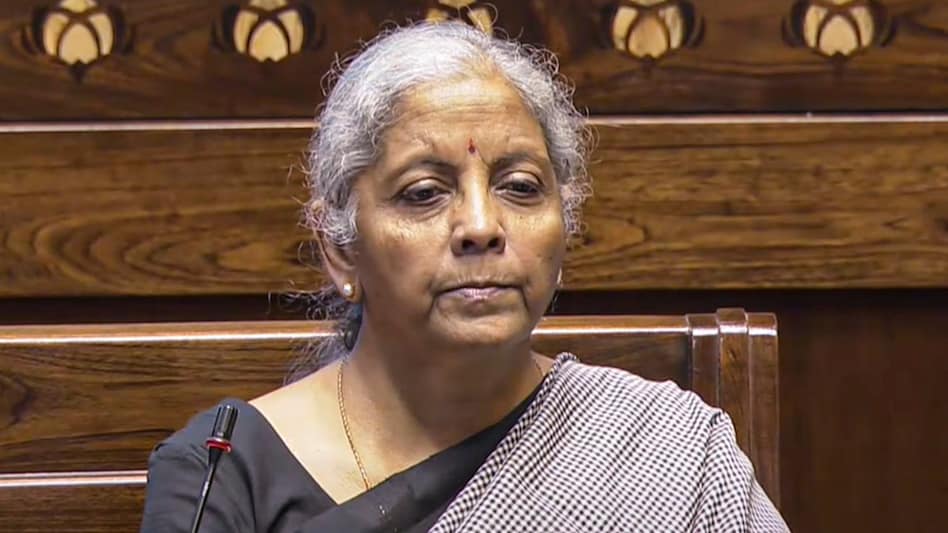
 FM Nirmala Sitharaman said in some cases, businesses passed on higher than expected GST rate cuts to consumers.
Finance Minister Nirmala Sitharaman on Dhanteras said the impact of recent Goods and Services Tax (GST) rate reductions has been “remarkable,” with the benefits being effectively passed on to consumers across key product categories.
Speaking at a joint press conference with Commerce Minister Piyush Goyal and Electronics & IT Minister Ashwini Vaishnaw, Sitharaman said the government has been tracking 54 essential items to ensure that companies and retailers transfer tax savings to end-users. “For every item I have monitored that affects citizens’ daily lives, the weighted average of the reduction is being passed on — and in some cases, even more,” she said.

 CAS case: JPMorgan unit likely to argue Sebi breach was technical, says report
 $1 now costs 2 million rial: Iran's currency hits historic low amid fresh US sanctions
 Skyways Air IPO: Tech, global diversification to drive growth; debt reduction a key focus, says CMD
 RVNL shares a buy? Accumulate railway stock as valuations cool, says Kranthi Bathini
 Auto, auto ancillary stocks: Is it time to book profits? What Centrum's Nilesh Jain says
 Market Masters | Aniruddha Sarkar On Top Sectors, Market Outlook & Where To Invest
 Daily Calls: Ask Your STOCK MARKET TODAY QUERIES | Market Update | Share Market News Today
 All About Debt Funds: Types Of Debt Funds & How To Invest | Mutual Fund Guide | Money Today
 “India Can Attract Global Space Talent Like A Magnet”: PM Modi To Startup CEOs
 CM Yogi Responds To Rahul Gandhi Over Manusmriti Remarks, India's Youth, And Heritage
 Auto, auto ancillary stocks: Is it time to book profits? What Centrum's Nilesh Jain says
 This mid-cap metal stock zooms 15% on Rs 2,700 crore order announcement; do you own?RVNL shares a buy? Accumulate railway stock as valuations cool, says Kranthi Bathini
 Godrej Industries announces Rs 20,000 crore Haryana MoU; stock reactsSkyways Air IPO: Tech, global diversification to drive growth; debt reduction a key focus, says CMD
 Why Is India Still Behind The US In Jet Engines? D-Propulse Founder Explains
 Mudra loan up to ₹20 lakh: Who can get it, eligibility & loan categories. How to apply
 From Government Support To Profitability: What India’s Drone Startups Need Now
 From Kerala to the Universe: 19-year-old Kaziah Liz Mejo wins India's crown
 Why India’s Rocket Costs Are Higher Than The US: Agnikul CEO On The Road Ahead












