


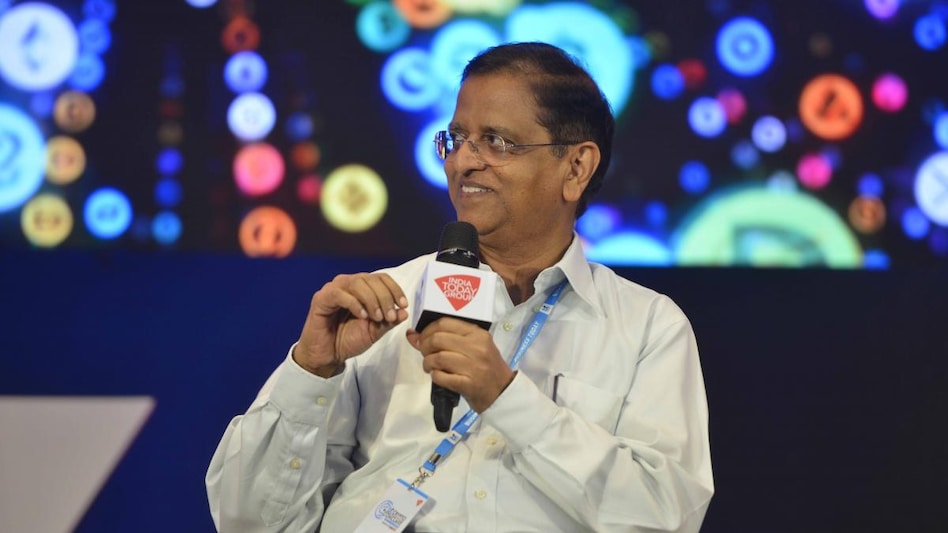
 Former Finance Secretary and a seasoned bureaucrat, Subhash Chandra Garg
Former Finance Secretary and a seasoned bureaucrat, Subhash Chandra Garg has channeled his 36 years of experience as a policymaker in his first book, which is interestingly titled, The $10 Trillion Dream. Garg, who held some crucial policymaking positions in his career as a bureaucrat, in his debut as an author takes a comprehensive look at the evolution of India’s macroeconomic policy, and from that vantage point, goes on to divide the policies between what has been done, and, in light of the uncertain future, what needs to be done, urgently. In short, from the very beginning, it sets the agenda and walks the reader through the challenges that needs to be overcome in order for India to reach the $10 trillion target by 2035.
Talking about the policy reforms, Garg tells Business Today: “If you want a real goal to be set, you should have time to change the fundamental structure of the economy, the fundamental drivers of growth in the economy, and also the policy has to be a little longer timeframe. And that's the reason I think we should talk about the policy reforms.”

 Missed your minimum balance? Banks pocketed ₹26,100 cr in penalties in just 4 years
 Why Tata Sons got ₹28,291 cr from TCS in FY26, down from ₹32,184 cr in FY25
 What a new report says about India's digital banking frauds
 ‘Extremely disturbing occurrence ’: MeitY reacts to removal of PM Modi video, seeks explanation from Meta
 HUL to further raise prices. Here’s how much
 Anti-Paper Leak Bill Debate: Jitendra Singh Lists Past Exam Leaks, Corners Opposition
 Tata Power Bets Big On 5.3 GW Pipeline! Management Sees Higher Margins & Strong FY27 Demand
 Term Insurance Vs Life Insurance: What's The Difference? | Personal Finance | Money Today
 Canara Bank Q1 Results Decoded | MD & CEO Brajesh Kumar Singh On Growth, NPAs & FY27 Outlook
 Daily Calls: Ask Your STOCK MARKET TODAY QUERIES | Market Update | Share Market News Today
 Moschip Technologies, Tamilnad Mercantile Bank shares: Here's what charts indicate
 Sensex, Nifty end lower as FMCG, energy weigh; IT stocks outperform
 L&T Q1 results: PAT rises 14% to Rs 4,123 crore; revenue up 7%
 Tata Capital Q1 results: PAT jumps 56% YoY to Rs 1,547 crore; AUM rises 22%
 KPIT Tech, Firstsource: What to do with these two battered IT stocks?
 NPS Vatsalya explained: Should parents invest for retirement or choose a mutual fund SIP?
 India’s Pension Gap A Financial Maturity One: Ashok Banerjee and Rajesh Shukla
 Range Rover SV demand jumps after India-UK FTA slashes JLR prices by up to Rs 75 lakh
 Actor-director Suneil Anand, son of legendary actor Dev Anand, passes away at 70
 Emirates lets passengers pay with crypto for flight bookings. Here's everything you need to know










